
Outsourcing pharmaceutical manufacturing has become a strategic imperative for pharma companies in 2026. As pipelines shift toward complex formulations, biologics, and niche products, many sponsors lack the internal infrastructure required for formulation development, technology transfer, and compliant scale-up.
The global CDMO market is projected to grow from USD 255.01 billion in 2025 to USD 465.24 billion by 2032, showing how quickly this trend is growing.
In parallel, rising regulatory scrutiny and global supply demands have made cost-efficient, compliant manufacturing models essential. Contract Development and Manufacturing Organisations (CDMOs) provide integrated development expertise, scalable GMP manufacturing, and regulatory alignment, allowing sponsors to focus resources on scientific innovation and market strategy.
This shift is particularly relevant for companies seeking high-quality manufacturing with optimised cost structures under global regulatory oversight.
In this blog, we explore why outsourcing manufacturing is gaining momentum, key benefits, challenges, and how pharma companies are partnering with CDMOs to stay competitive.
Key Takeaways
- The global CDMO market is projected to grow to USD 465.24 billion by 2032, and many pharma companies work with CDMOs, showing rapid adoption of outsourcing strategies.
- Outsourcing pharmaceutical manufacturing allows faster product launches, cost control, and high-quality standards.
- CDMOs offer specialised expertise, advanced technology, scalable infrastructure, and regulatory support.
- Strategic CDMO partnerships enable pharma companies to focus on innovation while mitigating operational risks.
- End-to-end CDMO services support global supply, complex therapies, and lifecycle management.
What Are CDMOs and Why Do They Matter in Pharmaceutical Manufacturing?
Contract Development and Manufacturing Organisations (CDMOs) support pharmaceutical and biopharmaceutical companies across formulation development, process optimisation, technology transfer, and GMP manufacturing.
For sponsors without internal R&D laboratories or compliant manufacturing infrastructure, CDMOs enable product progression from lab-scale development to clinical and commercial supply while maintaining alignment with global regulatory standards.
This role is especially relevant for complex and niche portfolios where scientific depth, regulatory narrative, and manufacturing flexibility are critical.
Across the industry, pharmaceutical companies increasingly rely on external manufacturing partners to manage scale, compliance, and technical complexity. This trend spans both multinational organisations and emerging pharma companies seeking faster, cost-efficient routes to market without building internal manufacturing infrastructure.
CDMOs are especially critical for complex therapies such as biologics, gene therapies, and high-potency APIs, where advanced capabilities and scalable solutions are essential for success.
Why Leading Pharma Companies Rely on CDMOs in 2026?

Many CDMOs are aligning manufacturing operations with global sustainability frameworks, including responsible resource utilization and access-driven healthcare models. These approaches support broader goals such as improved access to medicines in underserved regions and alignment with the United Nations Sustainable Development Goals (SDGs).
Partnering with CDMOs offers several strategic benefits beyond traditional cost and speed advantages:
- Specialised Risk Management: CDMOs bring experience in mitigating manufacturing risks, including batch failures, supply disruptions, and regulatory compliance issues.
- Enhanced Product Quality: Standardised processes, robust validation, and continuous monitoring ensure consistent product quality across multiple sites and batches.
- Lifecycle Support: From early development through commercial launch, CDMOs provide integrated services including formulation, analytics, and stability testing, enabling seamless product management.
- Faster Global Reach: With multi-site capabilities and regulatory expertise, CDMOs help companies expand into international markets efficiently.
- Sustainability and Green Manufacturing: Many CDMOs are adopting environmentally responsible practices to reduce energy use, waste, and overall environmental impact.
By using these unique advantages, pharma companies can focus on core innovation while ensuring that manufacturing, compliance, and supply challenges are expertly managed.
10 Critical Drivers for Outsourcing Pharmaceutical Manufacturing to CDMOs
Pharmaceutical companies are increasingly outsourcing manufacturing to Contract Development and Manufacturing Organisations (CDMOs) to achieve greater efficiency, scalability, and access to advanced technologies.
Outsourcing pharmaceutical manufacturing enables sponsors to focus on innovation while utilising CDMOs’ specialised capabilities.
Several strategic factors are driving this trend, which we explore below.
1. Cost Reduction and Operational Efficiency
One of the primary motivations for outsourcing is lowering operational costs. By utilising CDMO infrastructure, pharma companies avoid heavy capital investments in facilities and equipment while maintaining high-quality production.
Generic drug manufacturers, for example, have improved both market share and financial outcomes by strategically outsourcing manufacturing.
2. Access to Advanced Technologies and Expertise
Drug development is becoming increasingly complex, requiring specialised technologies and expert teams. CDMOs invest in cutting-edge manufacturing platforms and maintain highly skilled personnel, enabling the handling of drug products formulated using APIs sourced from qualified and approved suppliers, biologics, and other complex compounds beyond the reach of traditional in-house facilities.
3. Accelerated Time-to-Market
Speed is critical in competitive therapeutic markets. CDMOs help sponsors reduce development and manufacturing timelines by using validated processes, regulatory knowledge, and scalable production capabilities.
This allows companies to bring therapies to market faster and capture a competitive advantage.
4. Supply Chain Diversification and Risk Mitigation
Global healthcare supply chains are vulnerable to geopolitical changes, legislation, and unforeseen disruptions.
CDMOs provide dual sourcing, geographic diversification, and flexible production capabilities, helping sponsors mitigate risks and maintain consistent supply across multiple regions.
5. Strategic Focus on Core R&D Pipelines
Outsourcing manufacturing enables pharmaceutical companies to concentrate resources on research and innovation. By delegating production to CDMOs, sponsors can prioritise high-value, first-in-class therapies, supporting growth strategies and accelerating scientific breakthroughs.
6. Management of Complex Clinical Trial Manufacturing
CDMOs play a critical role in clinical-stage manufacturing. They provide end-to-end services for small and mid-sized companies, ensuring quality, regulatory compliance, and timely execution of early- and late-phase clinical trial batches.
7. Capitalising on Patent Expiration Waves
Upcoming patent cliffs present significant opportunities for generics and biosimilars. CDMOs help sponsors efficiently manufacture high-volume products, enabling companies to capitalise on market demand without straining internal resources.
8. Handling Emerging Therapeutic Modalities
Innovative therapies such as ADCs, gene therapies, and cell-based biologics require specialised manufacturing. CDMOs continuously expand capabilities to support these emerging modalities, allowing sponsors to innovate while minimising operational risk.
9. Flexible and Modular Manufacturing Solutions
Market demands and regulatory environments are constantly evolving. CDMOs adopt flexible, modular approaches that enable rapid adaptation, efficient scale-up, and alignment with evolving regulatory and geopolitical requirements.
10. End-to-End Integration and Risk Reduction
CDMOs offer integrated services across development, manufacturing, and regulatory support. This approach streamlines the route to market, reduces operational risk, and ensures lifecycle continuity, allowing sponsors to rely on a single partner for critical manufacturing needs.
Collectively, these drivers are accelerating demand for CDMOs that combine scientific depth, regulatory rigour, and cost-efficient execution, particularly for complex and niche pharmaceutical portfolios targeting global markets.
How CDMOs Are Shaping the Future of Pharmaceutical Manufacturing in 2026?
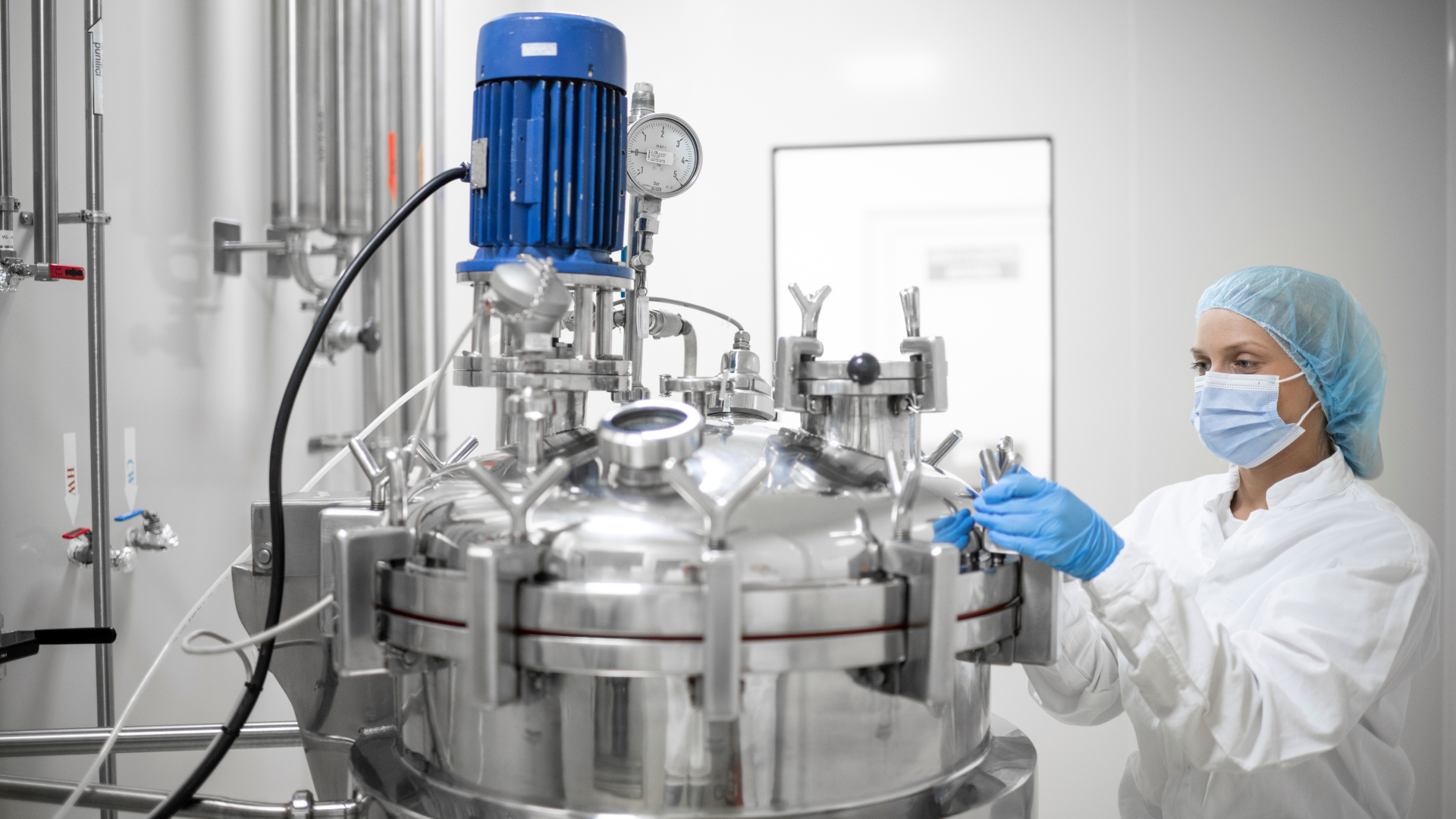
Pharmaceutical outsourcing is changing as CDMOs expand capabilities to meet complex therapy demands and global market challenges. Key trends shaping 2026 include:
- Focus on Biologics and Advanced Therapies: CDMOs are expanding capabilities to support biologics, biosimilars, antibody-based products, and other complex formulations. These services focus on development support, manufacturing execution, and regulatory alignment rather than proprietary platform development.
- Sustainability and Green Manufacturing: Adoption of energy-efficient processes, water recycling, and waste reduction aligns with ESG goals and regulatory expectations.
- Integrated End-to-End Services: Beyond manufacturing, CDMOs provide formulation, analytical testing, packaging, and regulatory support, streamlining the product lifecycle and ensuring consistency across clinical and commercial stages.
- Digital and Smart Manufacturing: Real-time monitoring, predictive maintenance, and advanced analytics optimise production, improve quality control, and reduce batch variability.
- Flexible and Modular Manufacturing Models: Multi-purpose, scalable facilities allow rapid response to changing demand, regulatory shifts, and supply chain disruptions.
- Early-Stage Development Collaboration: Integration of process development, scale-up, and analytical support reduces timelines, ensures regulatory readiness, and enhances clinical and commercial supply consistency.
These trends demonstrate that outsourcing pharmaceutical manufacturing is now a strategic choice for efficiency, innovation, and global market competitiveness.
Challenges and Risk Mitigation When Outsourcing Pharmaceutical Manufacturing
While outsourcing pharmaceutical manufacturing offers significant advantages, pharma companies must understand several challenges to ensure quality, compliance, and operational efficiency. Proactively addressing these challenges is key to a successful CDMO partnership.
1. Partner Selection: Identifying a CDMO with the right technical capabilities, global reach, and regulatory track record is critical.
Risk Mitigation: Conduct thorough due diligence, review past projects, verify certifications, and assess alignment with your product portfolio.
2. Quality Oversight: Ensuring consistent product quality across development, clinical, and commercial stages requires structured oversight.
Risk Mitigation: Establish clear quality agreements, implement joint audits, and maintain real-time communication channels with the CDMO team.
3. Intellectual Property Protection: Sharing proprietary formulations or processes exposes companies to IP risk.
Risk Mitigation: Sign robust NDAs, use secure data transfer protocols, and clearly define IP ownership in contracts.
4. Regulatory Compliance: Global products must meet varying regulatory standards, which can be challenging when working with multiple sites or countries.
Risk Mitigation: Partner with CDMOs experienced in multi-region compliance and review regulatory submissions together to avoid discrepancies.
5. Supply Chain Dependence: Outsourcing introduces reliance on external suppliers, which can affect timelines and continuity.
Risk Mitigation: Diversify manufacturing sites, establish dual sourcing, and include contingency plans for critical materials.
6. Communication and Cultural Differences: Geographical and organisational differences may impact collaboration, timelines, or reporting.
Risk Mitigation: Set up structured communication protocols, define responsibilities clearly, and schedule regular review meetings.
7. Scalability and Capacity Constraints: CDMOs may face limitations during sudden demand spikes or complex product launches.
Risk Mitigation: Confirm production capacity in advance, establish flexible contracts, and plan for phased scale-up strategies.
By anticipating these challenges and implementing proactive mitigation strategies, companies can maximise the benefits of outsourcing pharmaceutical manufacturing, ensuring consistent quality, regulatory compliance, and timely market access.
How to Choose the Right CDMO for Pharmaceutical Manufacturing?

Partnering with the right Contract Development and Manufacturing Organisation (CDMO) is critical to maximising the benefits of outsourcing pharmaceutical manufacturing. The right partnership impacts product quality, regulatory compliance, timeline efficiency, and long-term supply reliability.
Key factors to consider when forming a strategic CDMO partnership include:
- Technical Expertise and Capabilities: Work with a CDMO experienced in complex generics, biologics, biosimilars, high-potency formulations, and niche development pathways. DRK Research Solutions specialises in development-to-manufacturing execution for scientifically and regulatorily complex products without requiring sponsors to invest in internal infrastructure.
- Regulatory Track Record: Ensure the CDMO has proven compliance with global cGMP standards and a history of successful regulatory submissions to minimise inspection risks and accelerate approvals. DRK’s works with facilities in Europe and Asia adhere to EU-aligned cGMP frameworks.
- Quality Management: Evaluate quality control systems, process validation, and documentation practices to maintain consistent product quality across development, clinical, and commercial stages. DRK implements rigorous quality oversight and integrated validation processes.
- Supply Chain Reliability: Consider manufacturing capacity, geographic diversification, and contingency planning to mitigate production disruptions. DRK’s multi-site infrastructure ensures continuity and global reach.
- IP and Confidentiality Measures: Confirm robust intellectual property protection through NDAs, secure data protocols, and clear contractual agreements, safeguarding proprietary formulations and processes.
- Cultural and Communication Alignment: Smooth collaboration is essential. Structured communication channels, clearly defined responsibilities, and regular review processes facilitate strong partnerships.
By strategically evaluating these factors and partnering with DRK Research Solutions, pharma companies can ensure a seamless, compliant, and efficient outsourcing experience, accelerating product development while maintaining high-quality standards.
Why Partner with DRK Research Solutions for Pharmaceutical Manufacturing?
Pharma companies increasingly rely on experienced CDMOs to efficiently develop and manufacture complex therapies. DRK Research Solutions offers comprehensive services that allow sponsors to focus on innovation while entrusting critical manufacturing processes to a capable partner.
DRK does not manufacture drug substances (APIs). APIs are sourced through qualified suppliers and approved vendor partners. DRK’s core expertise lies in downstream drug product development, scale-up, validation, and GMP-compliant manufacturing execution.
The following highlights demonstrate why DRK is a preferred CDMO for pharmaceutical manufacturing:
- End-to-End Development Support: DRK provides integrated formulation, process development, and analytical validation, ensuring every product is scalable, reproducible, and compliant with regulatory standards.
- GMP Manufacturing Across Multiple Geographies: DRK collaborates with qualified EU-approved manufacturing partners across Europe and Asia, ensuring regulatory-aligned production without sponsors needing to invest in their own infrastructure.
- Expertise in Complex and High-Value Products: DRK supports downstream drug product development and manufacturing for biologics, biosimilars, sterile injectables, and high-potency formulations using APIs sourced through approved vendor partners.
- Regulatory-Ready Documentation: Each project includes audit-ready packages with validation data, stability studies, and eCTD-ready documentation to support global regulatory submissions.
- Flexible Production Models: DRK’s configurable batch sizes and modular facilities support clinical and commercial manufacturing without requiring changes in partners or processes.
By choosing DRK Research Solutions as your CDMO, pharma companies can accelerate time-to-market, maintain consistent product quality, and ensure regulatory compliance, all while focusing on their core R&D and innovation goals.
Conclusion
Outsourcing pharmaceutical manufacturing has become a strategic choice for pharma companies in 2026. By partnering with experienced CDMOs, organisations gain access to advanced expertise, scalable production, and global regulatory compliance, allowing them to focus on innovation and accelerating product launches.
DRK Research Solutions offers end-to-end CDMO services, covering development, validated manufacturing, and multi-region quality oversight. With robust processes, complete documentation, and integrated support, DRK Research Solutions helps sponsors maintain product quality, minimise risk, and ensure seamless global supply.
Ready to enhance efficiency and reliability through outsourcing pharmaceutical manufacturing? Connect with DRK Research Solution’s to discuss your next project.
FAQs
1. What is outsourcing pharmaceutical manufacturing?
Outsourcing pharmaceutical manufacturing involves partnering with Contract Development and Manufacturing Organisations (CDMOs) to produce drugs, biologics, or advanced therapies instead of relying solely on in-house facilities.
2. Why are pharma companies outsourcing manufacturing in 2026?
With growing pipeline complexity, regulatory demands, and global expansion, outsourcing provides access to advanced technologies, scalable production, and specialised expertise, helping companies focus on core R&D and faster market entry.
3. What are the benefits of outsourcing pharmaceutical manufacturing?
Key benefits include cost reduction, accelerated time-to-market, access to specialised technologies, supply chain diversification, and integrated lifecycle support for complex or high-value products.
4. How do pharma companies choose the right CDMO?
Selection is based on technical capabilities, regulatory experience, quality systems, supply chain reliability, IP protection, and alignment with company goals to ensure smooth collaboration and risk mitigation.
5. How does outsourcing help manage complex therapies?
CDMOs bring expertise in biologics, gene therapies, and high-potency APIs, offering advanced equipment, formulation support, and regulatory guidance to safely and efficiently manufacture complex products.
6. Can outsourcing improve global market access?
Yes. CDMOs with multi-site capabilities and regulatory expertise help pharma companies meet regional standards, expand supply networks, and accelerate global product launch while maintaining quality and compliance.