
Pharma leaders face constant pressure to deliver products on time while controlling costs and meeting regulatory expectations. Internal manufacturing constraints, capacity gaps, and volatile demand can quickly turn into delays, budget overruns, and approval risk. Each decision carries commercial consequences, from missed launch windows to strained stakeholder confidence. The risk of locking into the wrong operating model only compounds the uncertainty.
This article reframes pharma contract manufacturing as a strategic lever rather than a reactive fix. It breaks down where value is created, where risks emerge, and how leaders can evaluate tradeoffs with clarity. Leadership teams gain practical frameworks, decision criteria, and risk-reduction logic to assess when contract manufacturing strengthens control, resilience, and long-term portfolio outcomes.
Key Insights
- Contract manufacturing helps pharma companies manage capacity, cost, and demand risk without building internal facilities.
- It enables faster progression from development to commercial supply with controlled capital exposure.
- Value varies by business model, supporting emerging pharma, PE portfolios, specialty products, and access programs differently.
- The main risks stem from governance gaps, weak technology transfer, compliance failures, and unmanaged supply dependency.
- Partner selection should focus on regulatory track record, scale-up capability, transparency, and supply reliability.
What Is Pharma Contract Manufacturing?
Pharma contract manufacturing is the use of external manufacturing partners to support development, clinical supply, and commercial production within defined quality and regulatory frameworks. It gives sponsors access to established infrastructure and execution capabilities without expanding internal facilities or diluting quality ownership.
Typical scope includes:
- Development and process optimization
- Technology transfer into GMP environments
- Clinical and commercial manufacturing
- Ongoing supply under regulated conditions
For leadership teams, the value lies in control and predictability, not delegation of accountability. Strategy, quality ownership, and regulatory positioning remain with the sponsor, while execution risk is shifted to a structured operating partner.
Contract manufacturing delivers the most value when scope, accountability, and integration points are clearly defined across development, manufacturing, and regulatory functions.
Why Pharma Companies Use Contract Manufacturing as a Growth Strategy
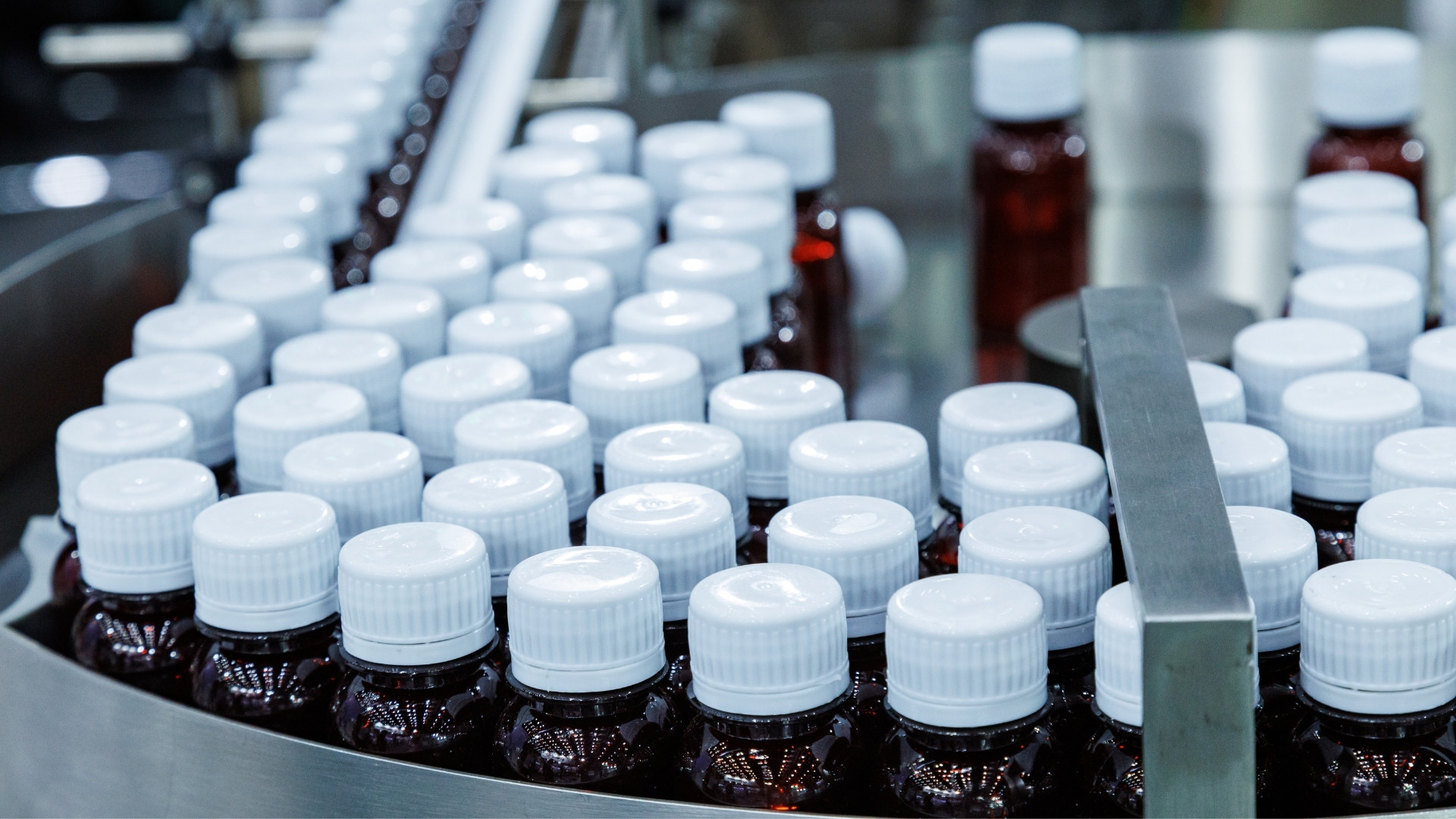
Pharma contract manufacturing delivers value when it is aligned with portfolio strategy, regulatory objectives, and capital discipline. The benefits are not operational conveniences. They are business outcomes that improve control, resilience, and long-term performance.
Key benefits include:
- Capital Efficiency: Avoids heavy upfront investment in facilities and equipment. Frees capital for pipeline development, licensing, or market expansion.
- Faster Time to Market: Access to existing GMP infrastructure reduces setup time. Enables quicker transition from development to clinical and commercial supply.
- Scalability Without Structural Risk: Supports variable batch sizes and phased scale-up. Reduces exposure when demand forecasts change or programs underperform.
- Regulatory Readiness and Compliance: Manufacturing is aligned with inspection expectations and documentation standards. Lowers the risk of delays during approvals or post-approval changes.
- Access to Specialized Capabilities: Enables execution of complex generics, hybrids, biosimilars, and niche formulations. Avoids building expertise that may not be reusable across the portfolio.
- Improved Supply Continuity: Reduces dependency on a single internal site. Strengthens resilience against capacity constraints and operational disruptions.
Together, these benefits allow leadership teams to align manufacturing execution with commercial priorities while maintaining strategic oversight and regulatory accountability.
Strategic Advantages for Different Pharma Business Models
Contract manufacturing delivers value in different ways depending on how a pharma business is structured. The advantage comes from aligning the manufacturing model to portfolio strategy, capital profile, and risk tolerance.
Model 1: Mid-Sized and Emerging Pharma
- Outcome: Progress programs to market without building internal GMP infrastructure
- Value created: Reduced capital exposure, faster development-to-launch transition, and sharper focus on pipeline execution
Model 2: Private Equity–Owned Pharma Portfolios
- Outcome: Scale multiple assets in parallel with controlled cost and risk
- Value created: Faster value realization, flexible capacity across products, reduced fixed-cost burden
Model 3: Global Health and NGO Programs
- Outcome: Deliver a compliant, affordable supply for multi-country
- Value created: Sustainable access models, predictable supply, and alignment with donor, procurement, and regulatory expectations
Model 4: Niche and Specialty Pharma Players
- Outcome: Execute complex or low-volume products without overextending internal capabilities
- Value created: Access to specialized expertise, scalable production, reduced execution risk
Across these models, contract manufacturing functions as a structural lever. It allows leadership teams to adapt execution capacity as portfolios evolve while maintaining strategic and regulatory control.
Common Risks in Pharma Contract Manufacturing and How to Manage Them
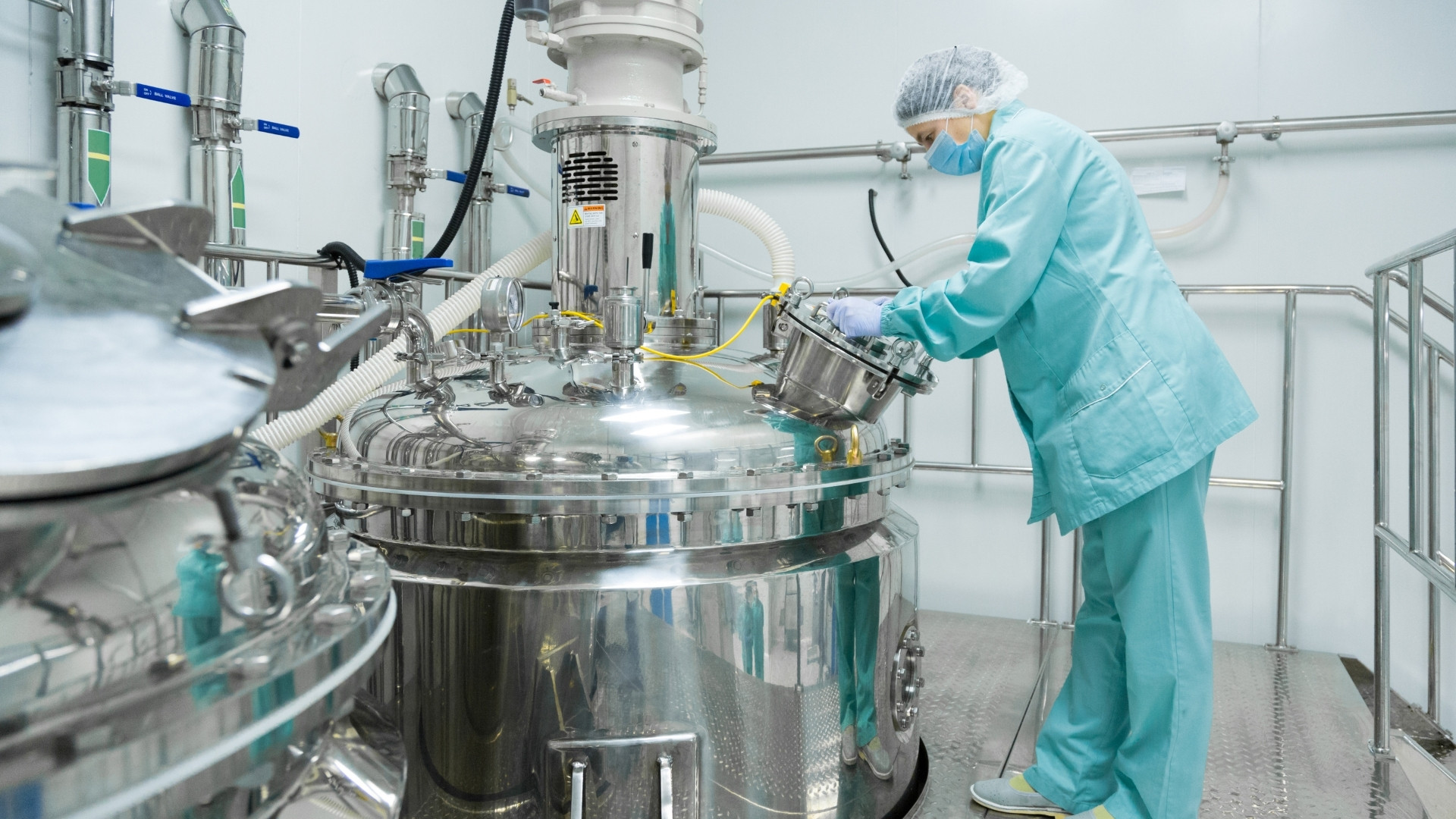
Pharma contract manufacturing introduces strategic advantages, but it also creates risks if governance and alignment are weak. These risks are rarely technical alone. They typically emerge at the intersection of accountability, documentation, and scale.
Risk 1: Loss of Process and Quality Control
- Exposure: Limited visibility into day-to-day execution and decision-making
- Mitigation: Clear quality agreements, defined escalation paths, and sponsor-led governance of critical quality attributes
Risk 2: Regulatory and Compliance Gaps
- Exposure: Inconsistent documentation, inspection findings, or submission delays
- Mitigation: Early alignment on regulatory strategy, audit readiness, and documentation ownership across development and manufacturing
Risk 3: Scale-Up and Technology Transfer Failures
- Exposure: Process drift, batch variability, or delays during commercial transition
- Mitigation: Structured technology transfer with validated processes, reproducibility checks, and continuity between development and GMP execution
Risk 4: Supply and Continuity Disruptions
- Exposure: Capacity constraints, site dependency, or geopolitical impact
- Mitigation: Multi-site planning, realistic capacity forecasting, and contractual safeguards that protect long-term supply continuity
Managed correctly, these risks are controllable. The difference lies in selecting partners with the right operating discipline and in structuring relationships around shared accountability rather than transactional execution.
How Leaders Should Evaluate a Pharma Contract Manufacturing Partner

Selecting a contract manufacturing partner is a strategic decision with long-term regulatory and commercial impact. Evaluation should go beyond capacity and pricing to focus on execution discipline, governance, and fit with portfolio needs.
Evaluation Checklist for Decision-Makers
- Regulatory Track Record: Evidence of sustained GMP compliance, inspection outcomes, and documentation quality across relevant markets.
- Development-to-Manufacturing Continuity: Ability to support technology transfer, scale-up, and validation without process drift or data gaps.
- Flexibility and Scalability: Support for variable batch sizes, phased scale-up, and changing demand forecasts without renegotiation risk.
- Experience With Complex Portfolios: Proven execution in niche products such as complex generics, hybrids, or low-volume assets.
- Governance and Transparency: Clear quality agreements, defined escalation paths, predictable communication, cost visibility, and decision accountability.
- Supply Reliability: Capacity planning, contingency options, and long-term supply assurance aligned to launch and post-approval needs.
Using a structured evaluation lens helps leadership teams reduce execution risk, maintain regulatory confidence, and select partners who can scale with the portfolio rather than constrain it.
How DRK Research Solutions’ CDMO Services Support Contract Manufacturing Programs
DRK Research Solutions’ CDMO services are structured to support contract manufacturing within a controlled, sponsor-governed operating model rather than a fragmented outsourcing exercise. The focus remains on predictability, regulatory alignment, and scalability across the product lifecycle.
- Development Capabilities: Comprehensive services from pre-formulation and feasibility studies to lab-scale development, analytical method validation, process optimization, and stability testing, with packaging considerations as needed.
- Manufacturing Capabilities: GMP manufacturing across Europe and Asia, with planned U.S. expansion, offering flexible batch sizes for both clinical (IMP) and commercial production.
- Technology Transfer: Full-scale R&D to commercial transfer with complete documentation and validation packages, supporting both small molecules and biologics.
- Out-Licensing & Dossiers: Ready-to-file eCTD dossiers for regulated markets (not regulator-approved), and co-development partnerships with shared-risk, shared-investment models.
- Specialized Expertise: Expertise in complex generics, hybrids, and niche product categories like 505(b)(2), offering solutions without requiring internal specialist infrastructure.
Together, these capabilities allow sponsors to use contract manufacturing as a strategic growth lever while maintaining control over quality, compliance, and long-term supply outcomes.
Conclusion
Pharma contract manufacturing has moved from a tactical outsourcing choice to a strategic operating model that influences timelines, capital efficiency, regulatory confidence, and long-term supply resilience. The benefits of pharma contract manufacturing are most visible when execution, governance, and regulatory alignment are treated as integrated decisions rather than isolated activities. When applied with discipline, it allows organizations to scale portfolios, manage risk, and maintain predictable performance across development and commercialization.
For leadership teams evaluating their next phase of growth, the logical next step is a structured assessment of where contract manufacturing adds control versus complexity across the portfolio. This includes due diligence on operating models, risk exposure, scalability, and regulatory readiness.
A focused discussion with DRK Research Solutions can help map a contract manufacturing strategy aligned to portfolio goals, cost structure, and long-term supply requirements.
FAQs
1. What are the main benefits of pharma contract manufacturing?
Pharma contract manufacturing helps companies reduce capital investment, improve scalability, accelerate timelines, and maintain regulatory compliance while retaining strategic control over their portfolios.
2. When should a pharma company consider contract manufacturing?
Contract manufacturing is most effective when internal capacity is constrained, portfolios include complex or niche products, or when flexibility is needed to manage demand uncertainty and market expansion.
3. How does contract manufacturing impact regulatory compliance?
A well-structured contract manufacturing model supports inspection readiness, consistent documentation, and alignment with regulatory expectations across development, clinical supply, and commercial production.
4. What risks should be evaluated before selecting a contract manufacturing partner?
Key risks include loss of process visibility, scale-up challenges, documentation gaps, and supply continuity issues, which can be mitigated through governance, quality agreements, and structured oversight.