
Oral liquid dosage forms remain crucial in pharmaceutical portfolios, even as solid and advanced dosage technologies evolve. Their advantages include flexible dosing strategies, simplified administration, and broad applicability across pediatric, geriatric, and special-needs populations.
From a strategic standpoint, oral liquids enable patient-centric development, faster reformulation pathways, and market access in regions where solid doses are challenging to administer or maintain under strict storage conditions. They are critical for global health programs and markets, where adherence and accessibility influence both clinical and commercial success.
This blog explores how oral liquid dosage forms are developed and manufactured, highlighting key formulation and compliance challenges and the role of CDMO capabilities in ensuring scalability and regulatory readiness.
Key Takeaways
- Oral liquid dosage forms (solutions, suspensions, emulsions, syrups, drops) offer flexible dosing and improved compliance for patients with difficulty swallowing.
- Benefits include faster absorption, easier administration, and broader market access globally.
- Formulation challenges involve stability, microbial control, taste masking, and maintaining uniform dosing.
- Manufacturing requires CGMP adherence, with focus on process consistency, equipment validation, and packaging integrity.
- DRK Research Solutions supports oral liquid product development with formulation expertise, GMP-compliant manufacturing, and regulatory dossier preparation.
What Are Oral Liquid Dosage Forms?
Oral liquid dosage forms are pharmaceutical formulations, including solutions, suspensions, and emulsions, developed to enable flexible dosing and patient-centric administration, offering flexible dosing and quick absorption. These products are typically favored for their ease of use, particularly in populations with difficulty swallowing solid forms, such as children, the elderly, and patients with certain medical conditions.
Common Types of Oral Liquid Dosage Forms:
- Solutions: Homogeneous mixtures of active ingredients dissolved in a solvent. Typically used for drugs that require precise dosage or rapid absorption.
- Suspensions: Dispersions of insoluble drugs in a liquid medium. Used when the active ingredient cannot dissolve but still needs to be administered in liquid form.
- Emulsions: Mixtures of water and oil phases used when the active ingredients require a specific formulation to improve stability or bioavailability.
- Syrups: Sweetened solutions of active ingredients in water, commonly used to mask the taste of unpleasant drugs, particularly in pediatric formulations.
- Drops: Concentrated solutions or suspensions used for precise small doses, often used for pediatric or geriatric patients, or for drugs requiring small amounts for efficacy.
Each type of oral liquid dosage form is chosen based on the chemical properties of the active ingredient, the target patient population, and the desired therapeutic outcomes.
Formulation of Oral Liquid Dosage Forms

The formulation of oral liquid dosage forms requires a detailed understanding of the drug’s chemical properties, patient needs, and stability concerns. Unlike solid dosage forms, liquid formulations must be carefully engineered to ensure uniformity, stability, and ease of use for patients.
| Formulation Principle | Description |
| Solubility | Ensuring the API is soluble in the solvent to provide consistent dosing and absorption. |
| Stability | Preventing degradation through stabilizers, preservatives, and pH adjustments for prolonged shelf life. |
| Viscosity Control | Adjusting viscosity for accurate dosing, ease of administration, and improved patient compliance. |
| Taste Masking | Using sweeteners, flavors, and coatings to mask the unpleasant taste of some APIs, especially for pediatric formulations. |
Benefits of Oral Liquid Dosage Forms for Pharma Companies
Oral liquid dosage forms continue to be a cornerstone of pharmaceutical development due to their versatility, patient compliance advantages, and market accessibility. These forms are often strategically chosen for their ability to meet specific patient needs and enhance product differentiation.
- Flexible Dosing for Diverse Populations
Oral liquids provide precise dosage, making them ideal for pediatric, geriatric, and patients with swallowing difficulties. The flexibility to adjust doses with liquid formulations ensures better adherence, particularly in chronic disease management. - Faster Onset of Action
Oral liquids are absorbed more rapidly than solids, providing faster therapeutic effects. This makes them particularly useful for drugs that require quick action, such as pain management or anti-nausea treatments. - Improved Patient Compliance
Many patients, particularly children and the elderly, struggle with solid oral dosages. Liquid formulations simplify administration and are more likely to result in consistent patient compliance, leading to better treatment outcomes. - Reformulation and 505(b)(2) Pathways
Oral liquids offer a strategic advantage in reformulation, allowing sponsors to reintroduce older drugs with improved delivery systems. The 505(b)(2) regulatory pathway facilitates faster approvals for oral liquid versions of existing drugs, especially for complex molecules. - Global Market Access
Oral liquids provide a practical solution where solid dosage forms may not be easily administered or where access to refrigeration is limited. Additionally, they can cater to market segments where convenience and ease of use drive demand.
Key Challenges in Formulating and Stabilizing Oral Liquid Dosage Forms
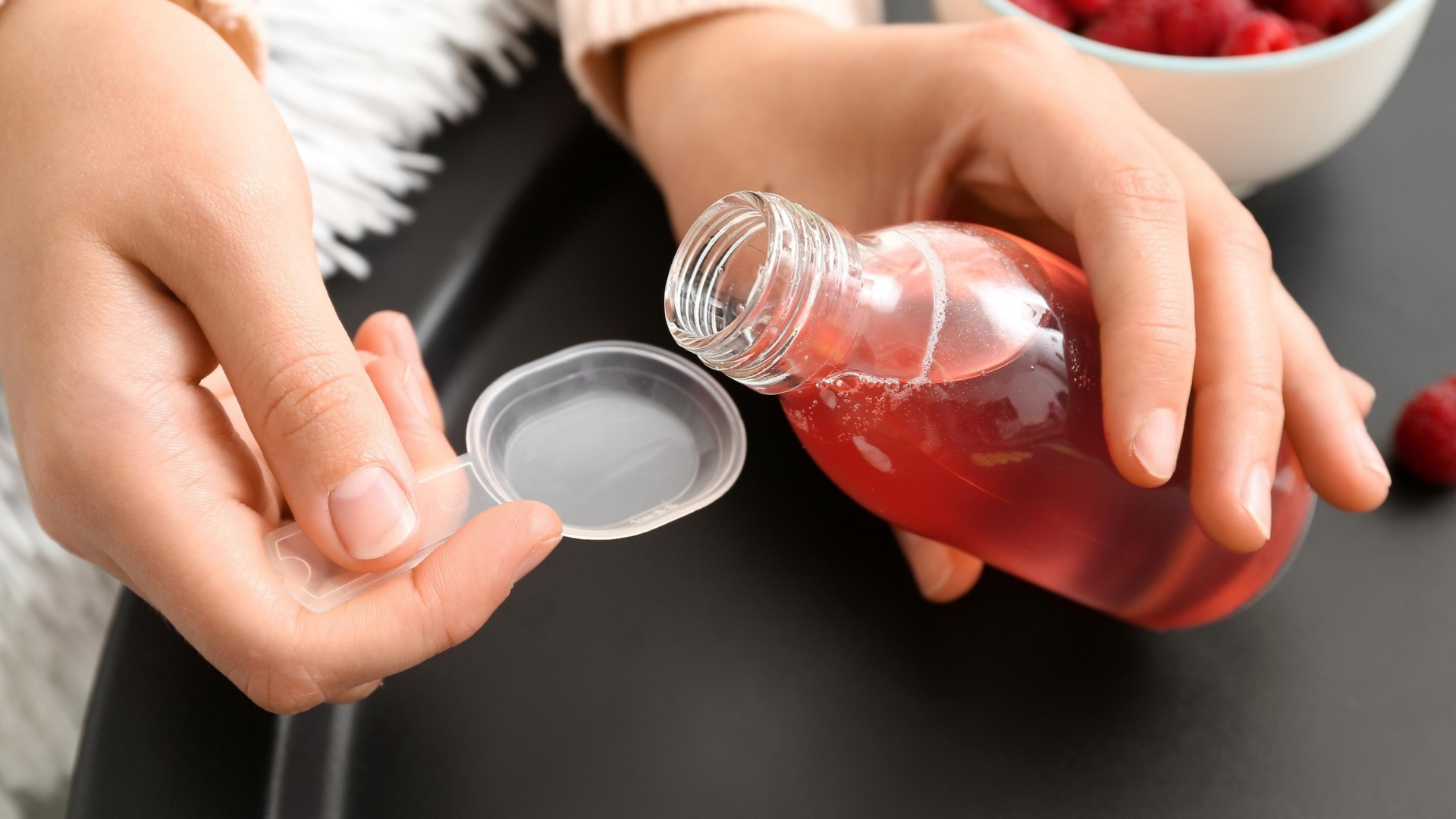
While oral liquid dosage forms offer significant strategic advantages, they also present specific formulation and stability challenges that need to be addressed early in product development. These challenges impact the performance, shelf life, and regulatory compliance of the final product.
1. Physical and Chemical Stability
- Risk: Many active ingredients are prone to degradation when dissolved in liquid form, leading to reduced potency or efficacy over time.
- Impact: Stability issues can limit shelf life and require extensive testing to meet regulatory expectations.
- Mitigation: Advanced formulation strategies, such as adjusting pH, using stabilizers, or selecting appropriate excipients, can improve stability and extend product shelf life.
2. Microbial Control and Preservative Strategy
- Risk: Oral liquids, especially those used for extended periods, are vulnerable to microbial growth, which can compromise safety and efficacy.
- Impact: Without adequate preservatives, microbial contamination can lead to product recalls and regulatory challenges.
- Mitigation: Preservative systems must be carefully selected, and preservative efficacy testing should be part of the stability study to ensure long-term safety.
3. Taste Masking and Patient Acceptability
- Risk: Unpleasant tastes of active ingredients can deter patient adherence, particularly in pediatric or geriatric populations.
- Impact: Poor palatability can lead to poor patient compliance, negatively impacting treatment outcomes.
- Mitigation: Use of flavoring agents and taste-masking technologies can improve the sensory properties of oral liquids, ensuring better patient acceptance.
4. Viscosity and Suspension Stability
- Risk: Maintaining a stable suspension or emulsion with uniform dosing can be challenging. Suspended particles may settle over time, leading to inconsistent doses.
- Impact: Inconsistent dosing can lead to therapeutic inefficacy or safety concerns.
- Mitigation: Proper formulation and the use of stabilizers can ensure particle suspension and prevent separation.
Early development work focused on stability, preservative effectiveness, and patient-centric design can mitigate risks and ensure long-term product success.
Regulatory Expectations for Oral Liquid Dosage Forms: FDA & USP Guidelines
Compliance with FDA and USP regulations is essential for ensuring the safety, efficacy, and market readiness of oral liquid dosage forms.
FDA Regulations
The FDA’s 21 CFR Part 210 and 211 outline GMP requirements for manufacturing, covering:
- Stability: Rigorous testing to ensure active ingredients maintain potency and efficacy throughout the product’s shelf life.
- Microbial Control: Effective preservatives must prevent microbial contamination, particularly in long-term use products.
- Labeling and Documentation: Accurate labeling with dosage instructions, storage conditions, and expiration dates is required.
USP Standards
USP Chapter <795> provides specific guidelines for compounded oral liquids, focusing on:
- Stability Testing: Defines product expiration and storage conditions through real-time and accelerated testing.
- Preservative Efficacy: Ensures microbial safety with effective preservative systems.
- Content Uniformity: Guarantees consistent dosing by ensuring even distribution of the active ingredient.
Manufacturing Oral Liquids: What You Need to Know for CGMP Compliance
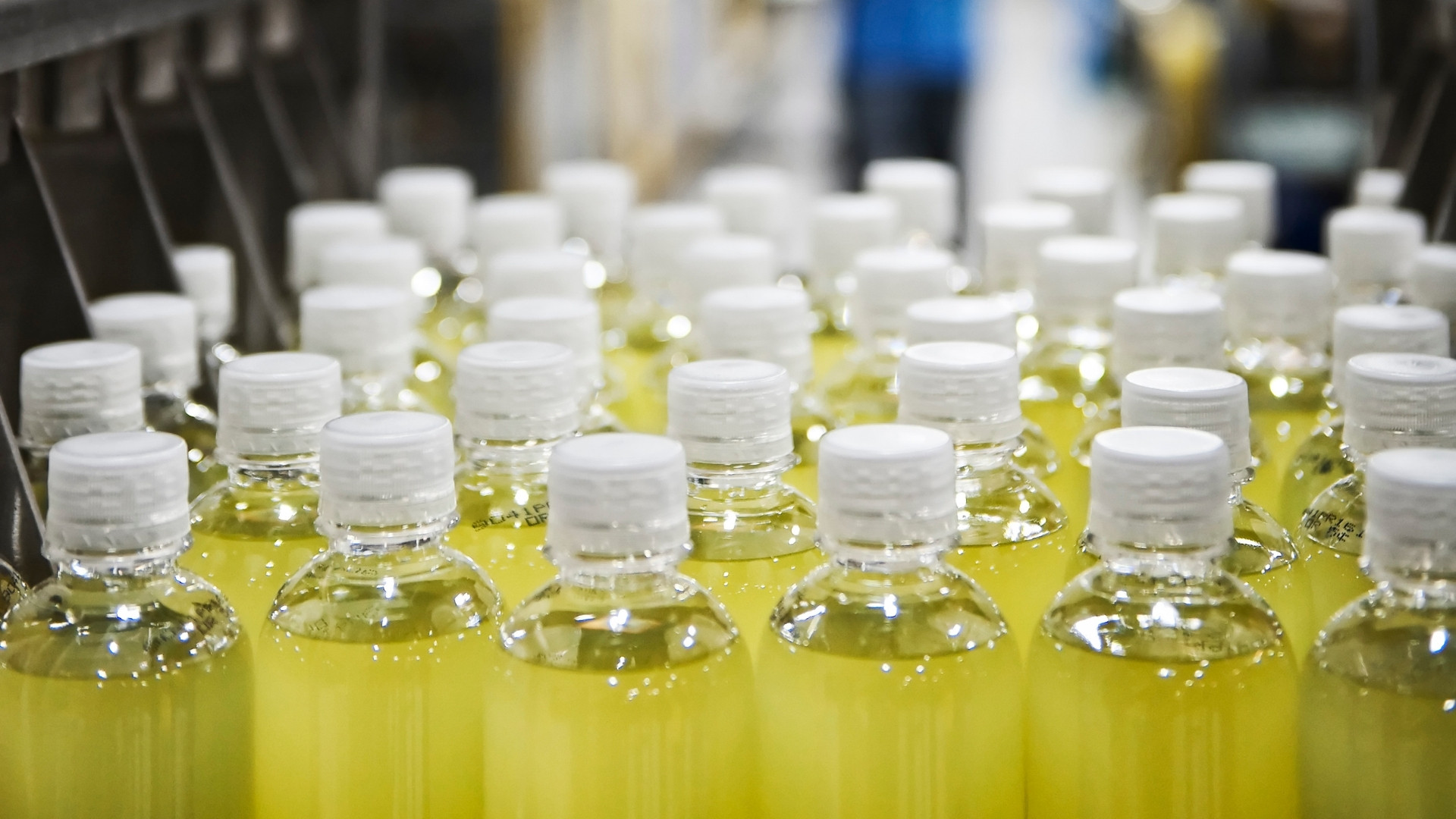
Manufacturing oral liquid dosage forms demands strict adherence to Current Good Manufacturing Practices (cGMP) to ensure product quality, regulatory compliance, and market readiness. All manufacturing activities focus on formulation, filling, and finished-dosage production and do not include API synthesis.
1. Key Manufacturing Steps and Process Control
- Consideration: The consistency of mixing, homogenization, and temperature control is critical to producing a uniform product.
- Risk: Variations in formulation or manufacturing parameters can lead to inconsistencies in dosing or product effectiveness.
- Strategic Action: Implement automated systems for real-time monitoring to ensure batch consistency, and establish rigorous in-process controls at each manufacturing stage.
2. Equipment Qualification and Validation
- Consideration: Equipment such as filling systems, mixers, and homogenizers must meet CGMP standards for operational efficiency and safety.
- Risk: Unqualified equipment can lead to batch inconsistency, product contamination, or non-compliance.
- Strategic Action: Adopt comprehensive qualification procedures (IQ, OQ, PQ) for all critical equipment to ensure consistent performance and compliance with regulatory standards.
3. Packaging, Filling, and Container Compatibility
- Consideration: Packaging materials and containers must not interact with the product or degrade its quality. Accurate filling is essential to ensure proper dosing.
- Risk: Improper packaging or sealing can compromise the stability and sterility of oral liquids.
- Strategic Action: Choose materials that are compatible with the formulation and implement automated filling systems to ensure accurate dosage and prevent contamination.
4. Documentation, Validation, and Audit Preparedness
- Consideration: Regulatory authorities expect complete and accurate documentation for every batch produced.
- Risk: Incomplete documentation or lack of validation can result in regulatory non-compliance or inspection delays.
- Strategic Action: Maintain a robust quality management system with comprehensive batch records, equipment validation documentation, and compliance audits to ensure readiness for inspections.
Meeting Regulatory Standards for Oral Liquid Products
Oral liquid dosage forms must meet stringent regulatory standards to ensure product safety, efficacy, and market readiness. For pharmaceutical leaders, understanding these requirements is essential for minimizing risk and accelerating product development.
| Regulatory Focus | Key Action | Outcome |
| Stability and Shelf Life | Conduct stability testing (accelerated and real-time). | Defines product expiration and storage conditions, ensuring market acceptance. |
| Preservative Efficacy & Microbial Safety | Perform preservative efficacy testing and ensure microbial control. | Ensures safety, compliance, and long-term product viability. |
| Content Uniformity & Dosing Accuracy | Implement rigorous mixing and filling controls; test for dose consistency. | Guarantees consistent dosage and reliability, enhancing patient adherence. |
| Container Closure Integrity (CCI) | Conduct CCI testing to ensure packaging integrity. | Prevents contamination and degradation, ensuring product safety. |
| Labeling & Storage Compliance | Ensure accurate dosing instructions and storage conditions. | Reduces misuse and improper storage, supporting regulatory approval. |
Meeting regulatory expectations for oral liquids requires focused efforts in stability, microbial control, and packaging to minimize risks and ensure market success.
Also Read: eCRF in Clinical Research Improving Data Accuracy and Efficiency
How to Choose the Right CDMO Partner for Oral Liquid Manufacturing?

When selecting a CDMO for oral liquid dosage forms, executives should evaluate the partner’s technical, operational, and regulatory strengths. The ideal partner will offer expertise in formulation, stability, scalability, and compliance all crucial for successful development and commercialization.
1. Formulation Expertise
What to Look For: Experience in developing liquid dosage forms, including solutions, suspensions, emulsions, and syrups.
Why It Matters: A CDMO with strong formulation expertise can address challenges such as taste masking, stability, and patient adherence, ensuring high-quality products.
2. GMP Compliance and Regulatory History
What to Look For: Adherence to global GMP standards and a proven history of passing FDA, EMA, and other regulatory inspections.
Why It Matters: Compliance with CGMP is essential for regulatory approval. A CDMO with a solid inspection record ensures reliability and reduces the risk of delays.
3. Analytical and Stability Testing Capabilities
What to Look For: In-house capabilities for stability testing, preservative efficacy testing, and content uniformity analysis.
Why It Matters: A CDMO with comprehensive analytical testing ensures stability and uniformity, supporting regulatory filings and extending product shelf life.
4. Packaging, Filling, and Container Integrity
What to Look For: Expertise in filling, sealing, and packaging of oral liquids, with emphasis on container closure integrity (CCI).
Why It Matters: Proper packaging maintains sterility, dosage accuracy, and prevents contamination. The right CDMO ensures packaging and filling meet strict safety standards.
5. Regulatory Documentation and eCTD Dossier Support
What to Look For: Support in preparing eCTD-ready dossiers and regulatory guidance throughout the development process.
Why It Matters: Strong regulatory support streamlines submissions, reducing time to market and increasing the chances of successful approval.
6. Scalability and Flexibility
What to Look For: Ability to scale from clinical batch production to commercial manufacturing with flexible batch sizes.
Why It Matters: Flexibility ensures smooth transitions from clinical to commercial production without compromising quality or timelines.
Also Read: Late-Phase Pharmaceutical Manufacturing: Challenges & Best Practices
How DRK Supports Pharmaceutical Manufacturing of Oral Liquids
DRK Research Solutions provides end-to-end solutions for oral liquid dosage form manufacturing, from formulation development to commercial-scale production. With expertise in formulation science, regulatory alignment, and GMP-compliant facilities, DRK helps pharmaceutical companies create high-quality, patient-centric oral liquid products.
- End-to-End Development Support: DRK offers formulation development, analytical testing, and stability studies to ensure each oral liquid product is scientifically sound and regulatory-compliant.
- GMP Manufacturing in Dual Geographies: DRK works with GMP-certified facilities in Europe and Asia, ensuring compliance with EU standards. This dual-region approach provides cost-effective, scalable manufacturing without compromising quality.
- Focus on Complex and Specialized Formulations: DRK specializes in complex formulations, including syrups, suspensions, emulsions, and pediatric formulations that require precise stability and formulation control.
- Regulatory Documentation and Dossier Support: DRK prepares submission-ready technical documentation aligned with eCTD structure, including stability and preservative-efficacy data, to support sponsor-led regulatory filings.
- Flexible Production Models and Scalability: DRK offers flexible production options for clinical trials, commercial-scale manufacturing and production while maintaining consistent quality.
Conclusion
Oral liquid dosage forms remain essential in pharmaceutical development, offering flexibility, improved patient compliance, and broader market access, particularly for pediatric, geriatric, and underserved populations.
For pharma companies, developing these products requires expertise in regulatory requirements, stability, and manufacturing processes. A trusted CDMO partner ensures efficient development, compliance, and successful market entry.
DRK Research Solutions’ integrated approach to oral liquid manufacturing provides the necessary expertise to bring products to market faster while meeting global regulatory standards. Our capabilities ensure high-quality, compliant products that align with patient needs.
Ready to evaluate whether an oral liquid dosage form is the right strategy for your product portfolio? Connect with DRK Research Solutions’ CDMO team.
FAQs
1. What are oral liquid dosage forms?
Oral liquid dosage forms are pharmaceutical solutions, suspensions, emulsions, or syrups designed for easy administration. They are often used for pediatric, geriatric, or special-needs populations who may struggle with solid dosage forms.
2. Why are oral liquid dosage forms important in pharma?
Oral liquids offer flexible dosing, faster onset of action, and are more easily administered, making them crucial for improving patient compliance, particularly in vulnerable populations.
3. What are the common challenges in manufacturing oral liquid products?
Key challenges include ensuring stability, microbial control, accurate dosing, and preventing separation or crystallization. Packaging and filling processes also need to maintain consistency and sterility.
4. How does DRK Research support the development of oral liquid dosage forms?
DRK provides end-to-end support, from formulation development and analytical testing to GMP manufacturing and regulatory dossier preparation. We ensure scalability, compliance, and global market readiness.
5. What regulatory considerations apply to oral liquid dosage forms?
Regulatory bodies require stability data, microbial testing, preservative efficacy, and accurate dosing uniformity. Compliance with CGMP and eCTD-ready documentation is crucial for successful market approval.