
The biosimilar contract manufacturing market is experiencing rapid growth, driven by the need for affordable, high-quality alternatives to expensive biologics. However, the way to success is fraught with challenges: regulatory complexities, long development timelines, and the constant pressure to meet market demand without compromising quality or compliance. For executives, the stakes are high, delays can significantly impact commercial outcomes, escalate costs, and introduce regulatory risks, all while managing stakeholder expectations.
This blog will provide a strategic overview of the biosimilar contract manufacturing market, focusing on key trends, challenges, and the best practices for selecting the right manufacturing partner. By understanding the critical factors that influence success, decision-makers can gain control over their biosimilar manufacturing strategies, mitigate risks, and position their companies for long-term growth in this competitive market.
Key Takeaways
- Biosimilars offer affordable alternatives to biologics, making treatments accessible while maintaining efficacy and safety.
- Key drivers of growth include expiring biologic patents, rising healthcare costs, and advancements in biomanufacturing technologies.
- Contract manufacturing for biosimilars provides cost efficiency, scalability, regulatory expertise, and faster time-to-market.
- Challenges include regulatory complexities, IP issues, scale-up difficulties, and manufacturing capacity limitations.
- Choosing a suitable manufacturing partner is critical for handling these challenges, ensuring compliance, and accelerating market entry.
What Are Biosimilars and Why Are They Important?
Biosimilars are biologic medical products highly similar to an already approved reference medicinal product. While not identical, they share the same mechanism of action, intended use, and route of administration. Biosimilars offer an affordable alternative to branded biologics, maintaining therapeutic efficacy and safety.
Importance of Biosimilars:
- Cost-Effective: Biosimilars reduce the high costs associated with biologic drugs, making treatments more accessible.
- Increasing Demand: As patents for biologics expire, biosimilars provide a cost-efficient solution to meet rising demand for life-saving biologic treatments.
- Broadens Access: They expand access to critical biologic therapies for more patients, particularly in cost-constrained healthcare systems.
Biosimilars development requires precise regulatory navigation and advanced manufacturing expertise, making contract manufacturers vital in ensuring compliance and efficiency.
Key Drivers of the Biosimilar Contract Manufacturing Market Growth

The biosimilar contract manufacturing market is expanding rapidly due to several key factors. These drivers are reshaping the framework, creating opportunities for both established and emerging players in the industry.
- Expiring Biologic Patents: As patents for many blockbuster biologic drugs expire, the need for affordable alternatives is increasing. This is creating demand for biosimilars, which offer cost-effective solutions while maintaining therapeutic efficacy.
- Rising Healthcare Costs: With growing pressure on healthcare systems worldwide, biosimilars provide a solution for reducing the high costs associated with biologic treatments. This is particularly crucial for healthcare providers in emerging markets where budget constraints are more pronounced.
- Regulatory Support and Guidance: Governments and regulatory bodies, such as the FDA and EMA, have implemented frameworks that make it easier to develop and approve biosimilars. These clearer regulations have encouraged more manufacturers to enter the market, fueling its growth.
- Increased Adoption in Developing Markets: The demand for affordable biologics in emerging markets is rising, leading to greater adoption of biosimilars. This is particularly evident in regions like the Asia-Pacific, where the healthcare market is expanding rapidly.
- Technological Advancements in Biomanufacturing: Innovations in biomanufacturing, such as continuous manufacturing and cell culture optimization, are making the production of biosimilars more efficient and scalable. These advancements are helping CDMOs meet growing demand while maintaining high standards of quality.
These drivers are transforming the biosimilar contract manufacturing market, providing new growth opportunities for both established pharma companies and CDMOs.
Also Read: eCRF in Clinical Research Improving Data Accuracy and Efficiency.
Benefits of Contract Manufacturing for Biosimilars
Partnering with a contract manufacturer offers strategic advantages for biosimilar production, helping companies streamline operations, reduce costs, and ensure regulatory compliance.
- Cost Efficiency: Outsourcing eliminates the need for significant investment in production facilities, enabling companies to focus on R&D and market expansion.
- Scalability: Contract manufacturers offer flexible production capabilities, allowing companies to adjust output based on market demand.
- Regulatory Expertise: Experienced contract manufacturers ensure compliance with stringent global standards, reducing regulatory risks and easing market entry.
- Faster Time-to-Market: By using the capabilities of contract manufacturers, companies can accelerate development and production, securing a competitive edge in the biosimilar market.
- Access to Advanced Technologies: Contract manufacturers utilize cutting-edge technologies like continuous manufacturing and automation to enhance efficiency and product quality.
Challenges in the Biosimilar Contract Manufacturing Market
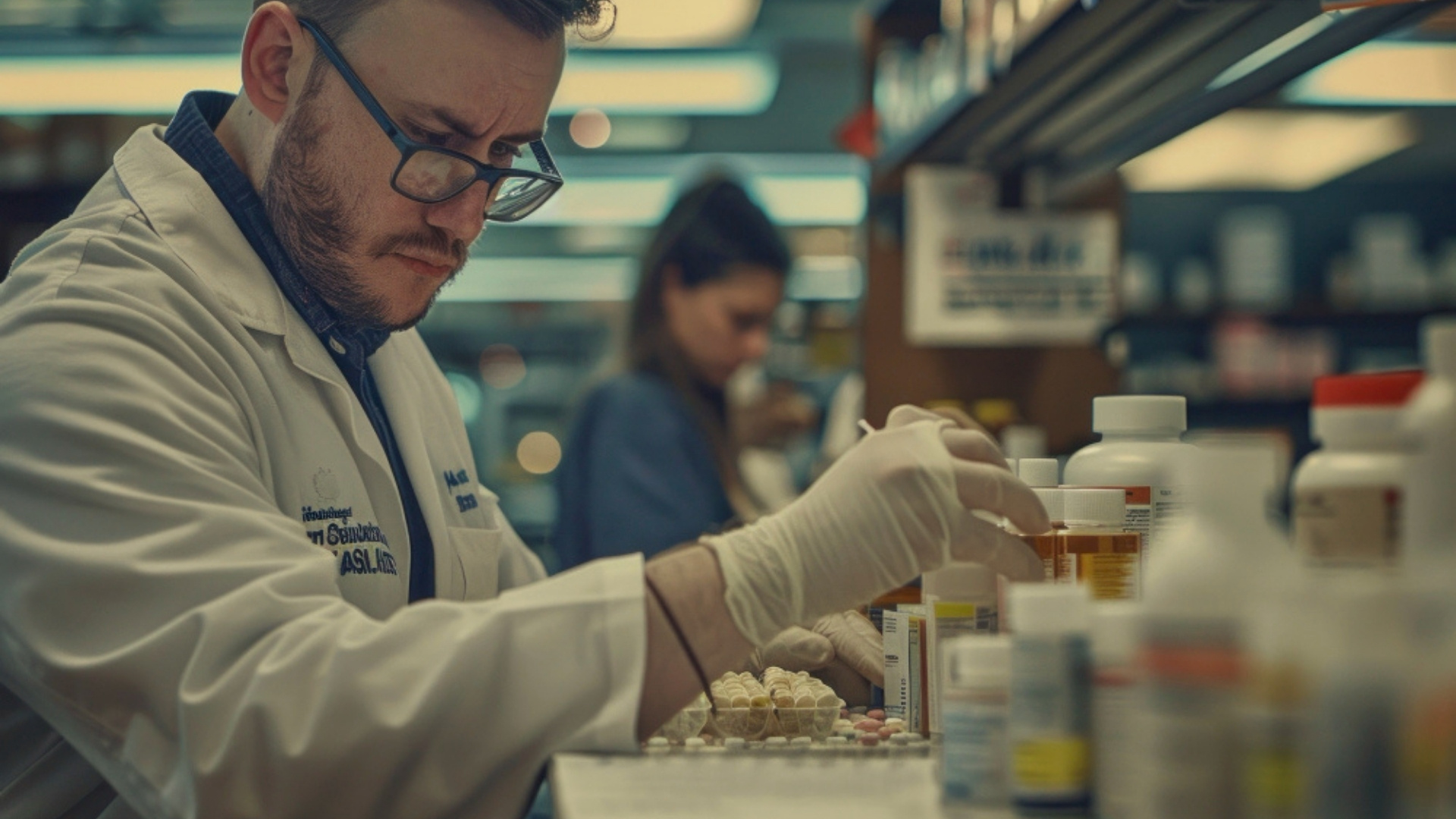
The biosimilar contract manufacturing market presents several challenges that need strategic attention. These challenges affect not just operational efficiency but also regulatory compliance, cost management, and market success.
1. Regulatory Complexity
- Risk: Managing the complex regulatory framework across different regions can lead to delays and compliance issues.
- Mitigation: Engaging with experienced CDMOs with global regulatory expertise ensures adherence to regional guidelines, reducing delays and increasing market access.
2. Process Consistency and Scale-up
- Risk: Achieving consistent quality during the scale-up process can impact the final product’s efficacy and safety.
- Mitigation: Partnering with contract manufacturers who specialize in biosimilars ensures process consistency through robust quality control measures and scale-up strategies.
3. Cost of Development
- Risk: High development and manufacturing costs can limit the feasibility of biosimilar production, particularly for smaller companies.
- Mitigation: Leveraging a contract manufacturing model reduces the need for large capital investment while allowing for efficient, cost-effective production.
4. Intellectual Property (IP) Challenges
- Risk: IP disputes, patent challenges, and legal barriers from reference biologic manufacturers can delay biosimilar launches.
- Mitigation: Thorough IP analysis and early legal planning can help minimize disputes, ensuring smoother market entry for biosimilars.
5. Manufacturing Capacity
- Risk: Insufficient production capacity and infrastructure can hinder the ability to meet increasing demand for biosimilars.
- Mitigation: Strategic partnerships with CDMOs offering flexible manufacturing capacity and global-scale operations address scalability and demand fluctuations.
The Role of Technology in Biosimilar Manufacturing
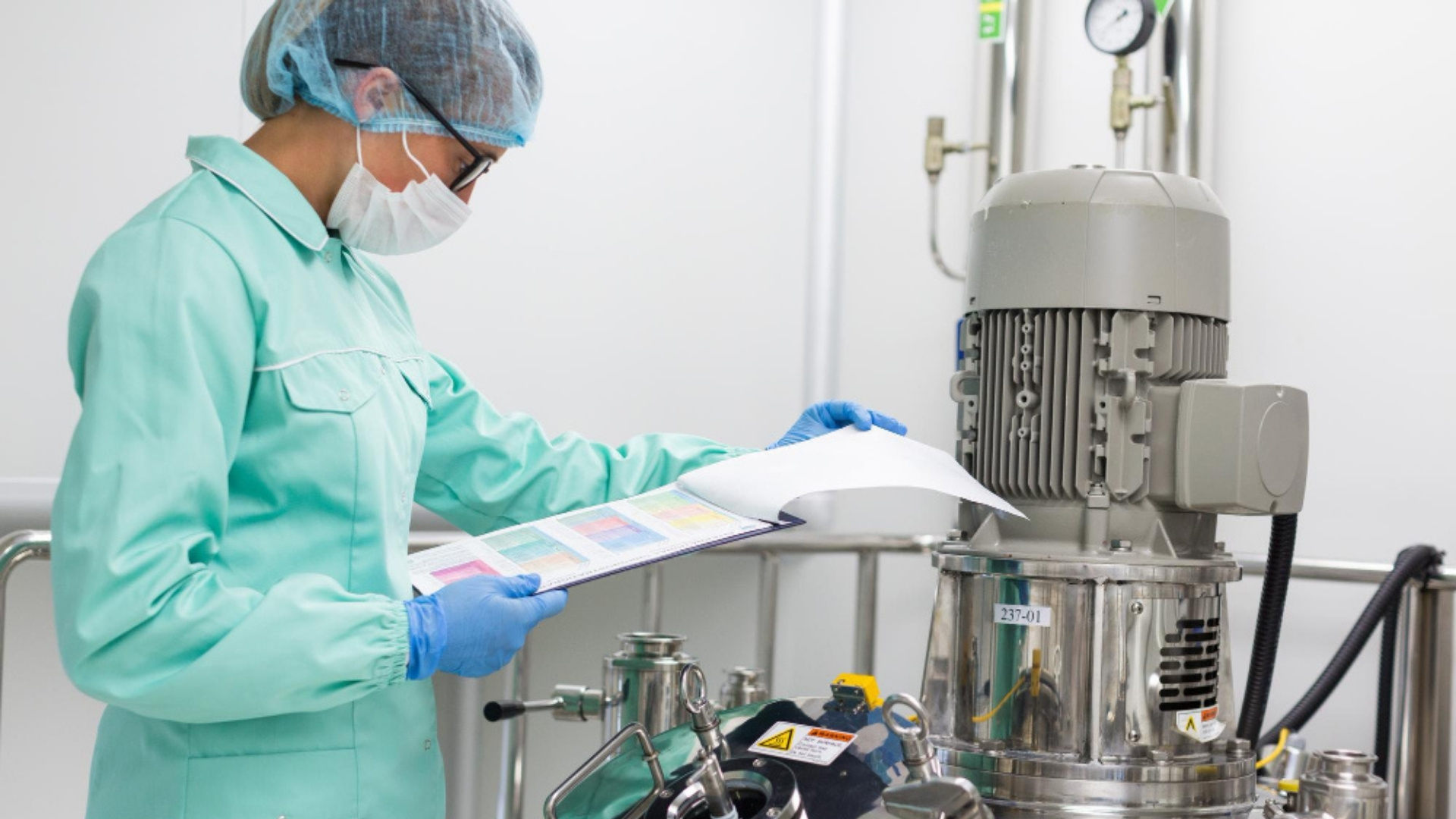
The integration of advanced technologies into biosimilar manufacturing has transformed the industry by improving efficiency, consistency, and regulatory compliance. The following technologies are key drivers of growth and optimization in biosimilar production.
1. Biomanufacturing Innovation
- Benefit: Enhanced efficiency and scalability of production processes.
- Outcome: Reduces production time, improves yields, and ensures consistent product quality.
2. Continuous Manufacturing
- Benefit: Streamlines production through a continuous flow process.
- Outcome: Reduces production costs, improves process control, and accelerates time-to-market.
3. Automation and Data Integration
- Benefit: Improved process control and real-time monitoring.
- Outcome: Ensures product consistency, enhances compliance, and reduces human error.
4. Advanced Analytics
- Benefit: Data-driven insights for predictive optimization.
- Outcome: Optimizes production schedules, improves batch consistency, and ensures regulatory alignment.
These technologies enhance the biosimilar manufacturing process by addressing the challenges of scalability, quality control, and compliance.
Also Read: Late-Phase Pharmaceutical Manufacturing: Challenges & Best Practices
Evaluating the Right Biosimilar Manufacturing Partner
Selecting the right biosimilar manufacturing partner is crucial for ensuring a smooth and successful market entry. A strong partnership can mitigate risks, streamline development, and ensure compliance with regulatory standards.
| Criteria | Why It Matters |
| Regulatory Expertise | Ensures adherence to global regulatory standards (FDA, EMA) and smooth market access. |
| Proven Track Record | Demonstrates ability to scale production and maintain high-quality standards for successful biosimilar launches. |
| Manufacturing Flexibility | Ability to handle both small and large batch production to meet fluctuating demand. |
| Technological Advancements | Investment in advanced technologies (e.g., continuous manufacturing, automation) improves efficiency and reduces costs. |
| Cost-Effectiveness | Balances quality and scalability with competitive pricing to maintain cost-efficiency. |
How DRK Research Solutions Supports Biosimilar Development and Manufacturing
DRK Research Solutions offers comprehensive support for the development and manufacturing, guiding clients from early-stage formulation through to commercial-scale production. Our expertise in GMP-compliant manufacturing, process optimization, and regulatory alignment ensures smooth market entry with high-quality, compliant products.
- End-to-End Biosimilar Manufacturing: DRK provides full-service solutions, including formulation development, process optimization, stability testing, and analytical validation, ensuring regulatory readiness and consistent product quality throughout production.
- GMP Manufacturing in Dual Geographies: Working with GMP-certified facilities in Europe and Asia, DRK delivers scalable, cost-effective manufacturing solutions that adhere to global regulatory standards, including EU requirements.
- Expertise in Complex Biosimilar Formulations: Specializing in complex generic, niche products and hybrids, DRK ensures precise formulation control and stability for intricate manufacturing needs.
- Regulatory Dossier Preparation and eCTD Support: DRK prepares eCTD-ready dossiers, simplifying global regulatory submissions and accelerating approval processes.
- Flexible Manufacturing for Clinical and Commercial Supply: Offering flexible production capabilities for both clinical trials and commercial production, DRK maintains high-quality standards across manufacturing.
Conclusion
The biosimilar contract manufacturing market continues to evolve, driven by increasing demand for cost-effective alternatives to branded biologics. The key to success in this market lies in selecting the right manufacturing partner, handling regulatory complexities, and maintaining high standards of quality and compliance. As biosimilars become an essential part of global healthcare, companies need to leverage strategic partnerships to ensure smooth product development and market entry.
As you evaluate the right partner for biosimilar manufacturing, it’s crucial to focus on regulatory expertise, scalability, and flexibility. DRK Research Solutions offers the full spectrum of services needed to bring formulation to market, ensuring compliance and operational efficiency.
Explore how DRK Research Solutions can support your manufacturing needs, streamline your processes, and accelerate time to market.
FAQs
1. What are biosimilars, and why are they important?
Biosimilars are biologic medical products highly similar to approved reference products, offering a cost-effective alternative to biologics while maintaining therapeutic efficacy and safety.
2. What factors are driving growth in the biosimilar contract manufacturing market?
Growth is fueled by expiring biologic patents, rising healthcare costs, increased regulatory support, and technological advancements in biomanufacturing.
3. What benefits do contract manufacturers provide for biosimilars?
Contract manufacturers offer cost efficiency, scalability, regulatory expertise, and access to advanced technologies to streamline production and reduce time-to-market.
4. What are the key challenges in biosimilar contract manufacturing?
Challenges include regulatory complexities, process consistency during scale-up, high development costs, intellectual property issues, and limited manufacturing capacity.
5. How can companies select the right biosimilar manufacturing partner?
Key factors include regulatory expertise, a proven track record, manufacturing flexibility, technological advancements, and cost-effectiveness to ensure smooth market entry and compliance.