
The process of drug product development is fraught with challenges that can delay timelines, escalate costs, and increase regulatory risks. Companies face immense pressure to manage the complexities of formulation, scale-up, and commercialization while ensuring compliance with stringent global standards. Any misstep along this journey can not only compromise product quality but also affect market access and the overall commercial success of a drug.
This blog will provide a comprehensive overview of the key stages in drug product process development, highlighting best practices, regulatory considerations, and common pitfalls. It will help executives and decision-makers identify strategic opportunities to optimize their processes, reduce risks, and make informed decisions about CDMO partnerships.
Key Takeaways
- Drug product process development ensures a safe, effective, and scalable product that meets regulatory standards.
- Key stages include formulation, scale-up, tech transfer, validation, and commercialization.
- Challenges like formulation complexity, scale-up, regulatory compliance, and cost control must be managed to avoid delays and cost overruns.
- Best practices like Quality by Design (QbD), early regulatory engagement, and process optimization help streamline development.
- CDMOs provide expertise in formulation, testing, scale-up, regulatory support, and supply chain management to ensure a smooth market transition.
What is Drug Product Process Development?
Drug product process development is the structured approach used to convert a drug substance into a final, market-ready product. It ensures the product is safe, effective, and manufacturable at scale while meeting regulatory standards.
The process involves several stages, including formulation development, scale-up, tech transfer, analytical validation, and commercialization. Each stage is critical to ensuring the product’s quality, regulatory compliance, and scalability. We will discuss these stages in more detail later in the blog.
Key Stages of Drug Product Process Development
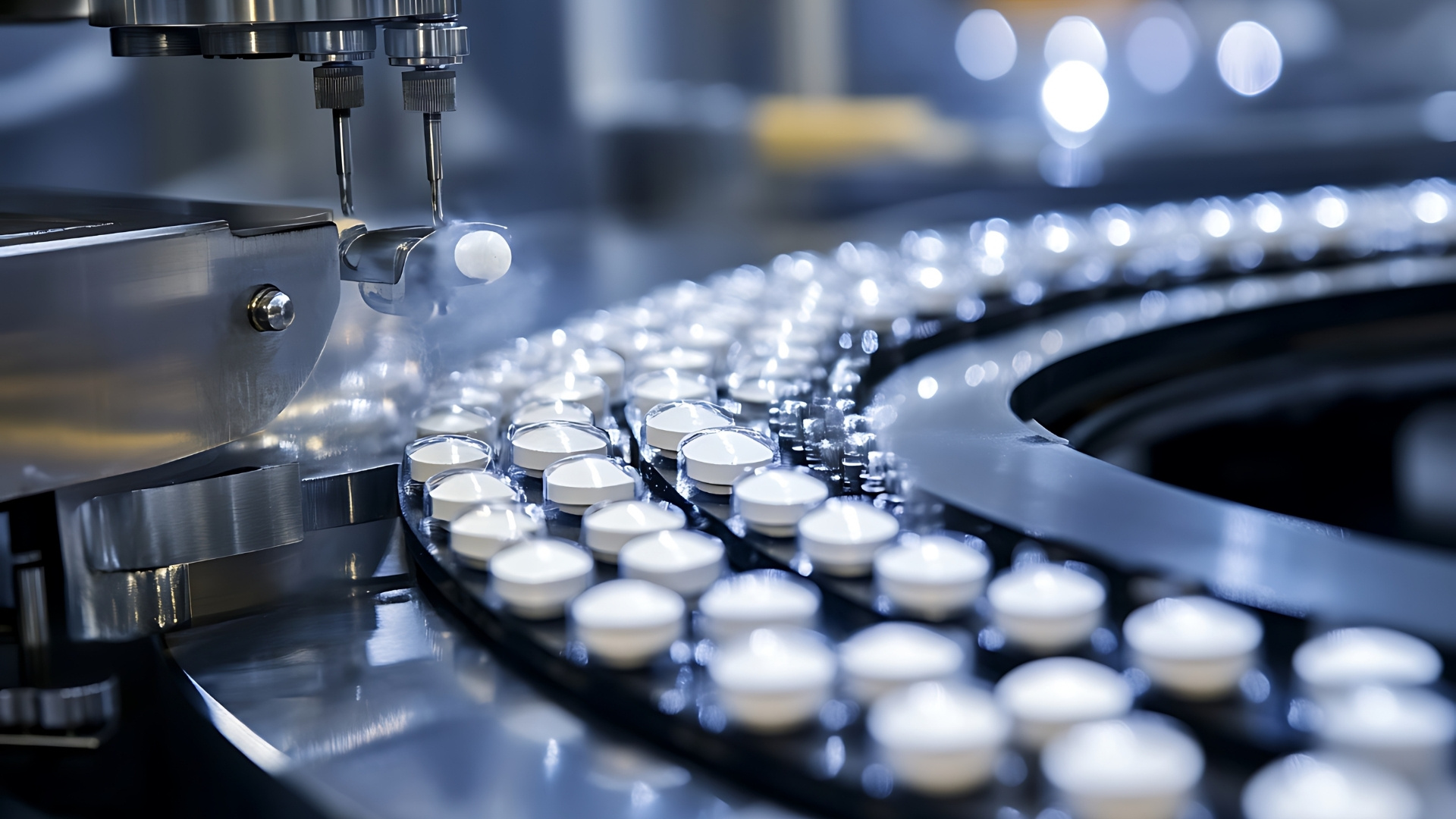
Drug product process development involves several critical stages that ensure the product meets safety, efficacy, and scalability requirements. Each stage is designed to address specific challenges in the journey from concept to commercial production.
- Formulation Development: This stage involves selecting the right combination of active ingredients and excipients to ensure stability, bioavailability, and optimal performance of the drug product. It also includes addressing any formulation challenges related to the intended drug delivery method.
- Scale-Up and Tech Transfer: Once a formulation is developed, it must be scaled from the lab to larger production quantities. This requires the transfer of technology, processes, and documentation to ensure consistency and reproducibility at a larger scale while maintaining the same level of product quality.
- Analytical Validation: In this phase, the methods used to test the drug’s quality, potency, and purity are validated to meet regulatory standards. Validation ensures that all testing is consistent, reliable, and suitable for regulatory submission.
- Commercialization: The final stage integrates all prior processes into a seamless manufacturing and supply chain system. It involves ensuring the product is manufactured in compliance with GMP, packaging, and distribution to meet commercial demands.
Challenges in Drug Product Process Development
Drug product process development presents several challenges that can delay timelines, escalate costs, and affect product quality. These challenges must be managed carefully to ensure a successful and compliant product launch.
1. Formulation Complexity
Developing the right formulation requires balancing stability, bioavailability, and patient compliance. Selecting the right excipients, stabilizers, and delivery systems can be difficult, particularly when dealing with complex generics.
2. Scale-Up Issues
Transitioning from lab-scale to commercial-scale manufacturing is often fraught with difficulties. Maintaining consistency and product quality while adapting to larger production volumes requires careful planning and robust process design.
3. Regulatory Compliance
Navigating regulatory requirements is one of the most significant hurdles. Meeting the standards of agencies like the FDA, EMA, or WHO demands thorough documentation, stability testing, and validation, all of which require careful attention to detail.
4. Cost Control
The development process is expensive, and inefficiencies can lead to significant budget overruns. Managing costs while maintaining product quality and meeting timelines requires precise project management and resource allocation.
5. Supply Chain Coordination
Effective supply chain management is vital to ensure the timely availability of raw materials and final products. Coordinating with multiple vendors and ensuring consistent quality at every stage can be challenging.
These challenges underscore the importance of a well-organized and flexible approach to drug product process development.
Best Practices for Drug Product Process Development
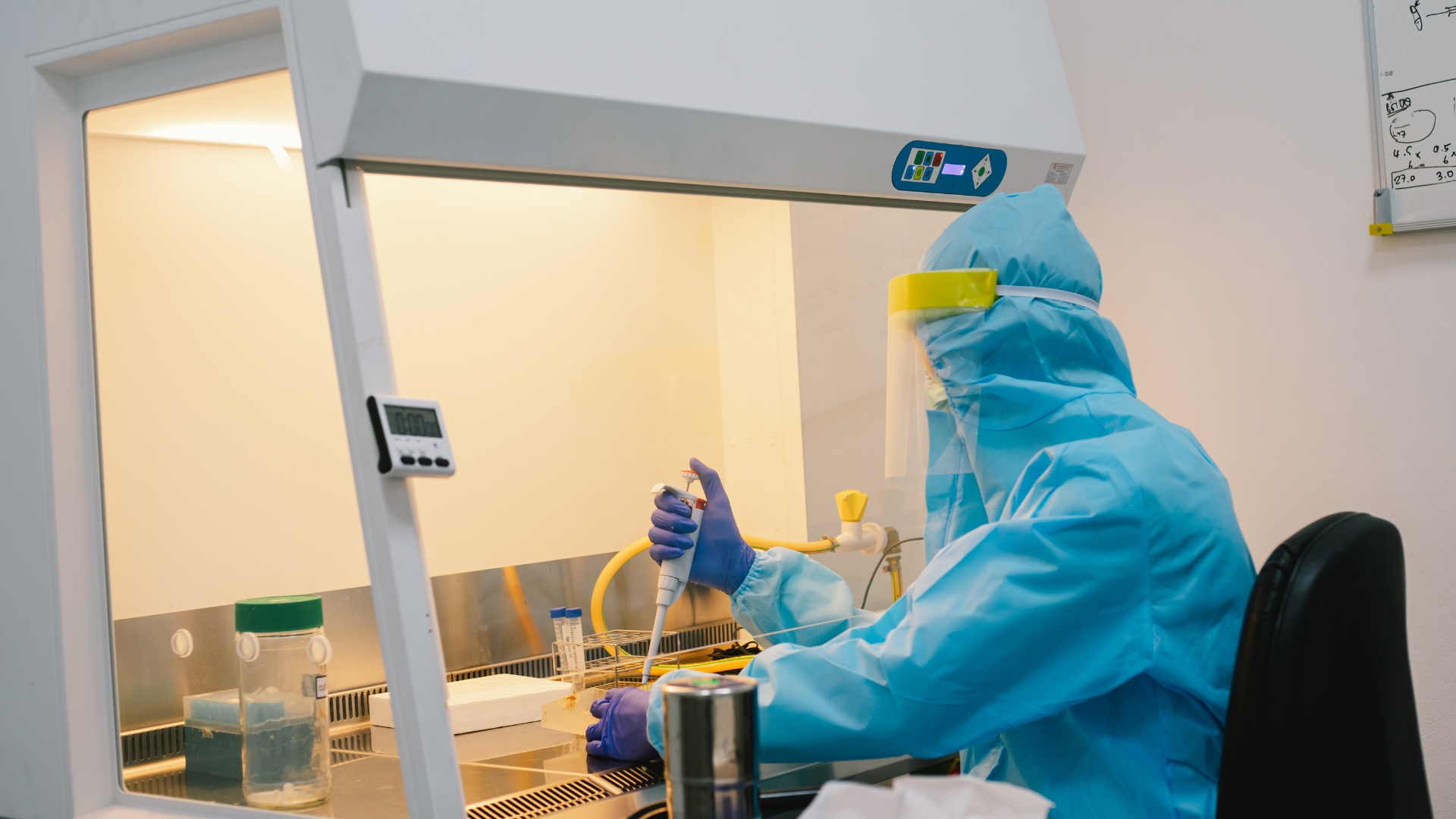
Optimizing drug product process development requires a strategic approach that minimizes risk, reduces costs, and accelerates time to market. By adopting best practices, companies can enhance the efficiency and scalability of their manufacturing processes while ensuring regulatory compliance.
1. Quality by Design (QbD)
Incorporating Quality by Design principles early in the process ensures that quality is built into the product from the start. This approach involves identifying potential risks and mitigating them through design, thus improving product consistency and regulatory approval chances.
2. Early Engagement with Regulatory Bodies
Engaging with regulatory authorities early in the process helps align product development with regulatory expectations. Proactively addressing potential regulatory concerns reduces delays in the submission and approval process.
3. Process Optimization and Continuous Improvement
Optimizing processes for efficiency, yield, and scalability is critical. By continuously evaluating and improving production methods, companies can ensure that the final product is cost-effective, meets regulatory standards, and is produced with minimal waste.
4. Robust Data Management
Effective data management is essential throughout the drug product development process. Accurate, consistent, and well-documented data support decision-making, reduce compliance risks, and streamline regulatory submissions.
5. Cross-Functional Collaboration
Fostering collaboration between R&D, manufacturing, and regulatory teams ensures alignment throughout the development process. This integrated approach helps identify and resolve issues early, leading to faster development timelines and better product outcomes.
By implementing these best practices, companies can handle the complexities of drug product process development more effectively.
Also Read: Late-Phase Pharmaceutical Manufacturing: Challenges & Best Practices
Regulatory Considerations in Drug Product Process Development
Managing regulatory requirements is a critical aspect of drug product process development. Adherence to the regulatory framework across markets can mitigate risks, reduce delays, and ensure timely approvals. Below is a breakdown of common regulatory considerations and how to address them effectively.
| Regulatory Risk | Mitigation Strategy |
| Failure to meet GMP standards | Early alignment with regulatory bodies and continuous GMP training for the development team to ensure compliance. |
| Inadequate stability testing or failure to demonstrate long-term product viability | Conduct comprehensive stability studies to confirm shelf-life and ensure batch consistency meets regulatory expectations. |
| Incomplete or inaccurate submission documentation (eCTD) | Develop a detailed plan for compiling the eCTD early in the process, ensuring accuracy and completeness before submission. |
| Delays in market approval due to a misunderstanding of regional regulatory differences | Employ regional regulatory experts to guide compliance efforts specific to each target market (e.g., FDA in the U.S., EMA in Europe). |
How CDMOs Can Support Drug Product Process Development
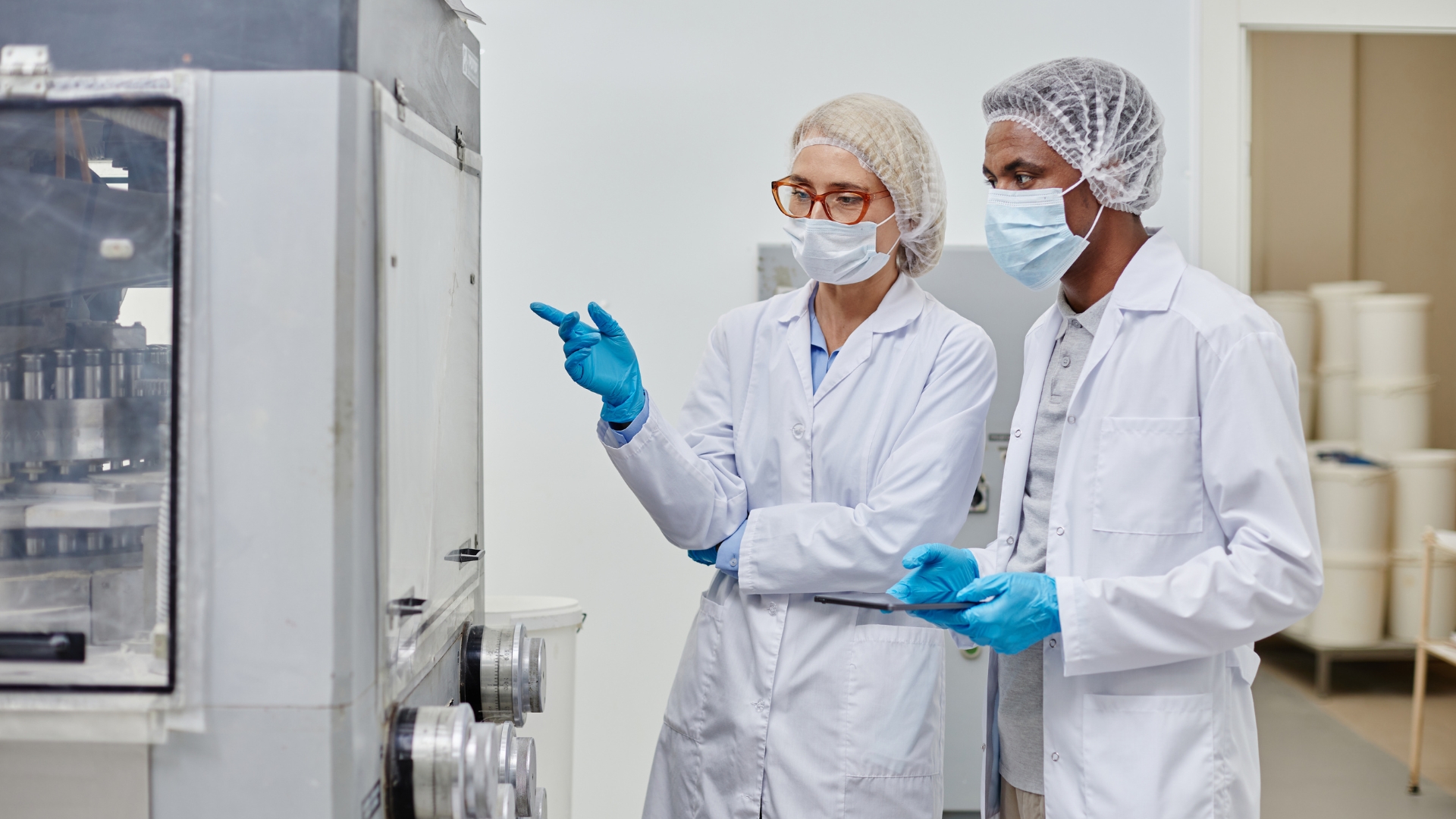
CDMOs play a vital role in drug product process development by providing specialized support across key stages. To ensure efficient development, here is a framework for how CDMOs can help at each stage of the process:
1. Formulation Development
- Collaborating with clients to design optimal formulations that address stability, bioavailability, and delivery methods.
- Key benefit: Provides tailored formulations, reducing development time and ensuring market-readiness.
2. Analytical Validation and Testing
- Performing rigorous analytical testing to validate the quality, potency, and purity of the drug product.
- Key benefit: Ensures compliance with regulatory standards, minimizing the risk of regulatory rejections.
3. Scale-Up and Technology Transfer
- Seamlessly transferring the formulation from lab-scale to commercial-scale production, ensuring consistent quality.
- Key benefit: Reduces the risk of process discrepancies, ensuring a smooth transition from development to large-scale manufacturing.
4. Regulatory Support
- Offering expertise in regulatory requirements, preparing necessary documentation (eCTD), and guiding submission processes.
- Key benefit: Accelerates the approval process and reduces the likelihood of delays in market entry.
5. Supply Chain Management
- Handling the supply chain from raw material sourcing to distribution, ensuring cost-effective, continuous manufacturing.
- Key benefit: Optimizes production timelines and reduces the risk of supply chain disruptions.
By partnering with a CDMO, drug developers can mitigate risks, streamline processes, and maintain compliance, ensuring a successful and efficient path to commercialization.
How DRK Research Solutions Supports Drug Product Process Development
DRK Research Solutions offers a comprehensive approach to drug product process development within its CDMO framework, ensuring seamless integration from formulation to commercialization. With a focus on scalability, regulatory compliance, and cost-efficiency, DRK enables pharmaceutical companies to navigate the complexities of the development process.
- End-to-End Development Support: DRK provides full-spectrum support across all stages, including formulation design, analytical testing, process optimization, and scale-up. This integrated approach streamlines the development process and accelerates time to market.
- GMP-Compliant Manufacturing and Scale-Up: Working with GMP-compliant facilities across Europe, DRK ensures drug products meet the highest quality standards. Their expertise in scale-up ensures a smooth transition from lab-scale to commercial production.
- Regulatory Expertise for Global Compliance: DRK offers expert guidance on regulatory requirements, including eCTD dossier preparation and alignment with FDA, EMA, and regional guidelines, ensuring successful submissions and market approval.
- Customized Solutions for Complex Products: DRK specializes in complex formulations like niche products and complex generics providing tailored solutions that ensure stability, scalability, and regulatory compliance.
Also Read: eCRF in Clinical Research Improving Data Accuracy and Efficiency.
Future Trends in Drug Product Process Development
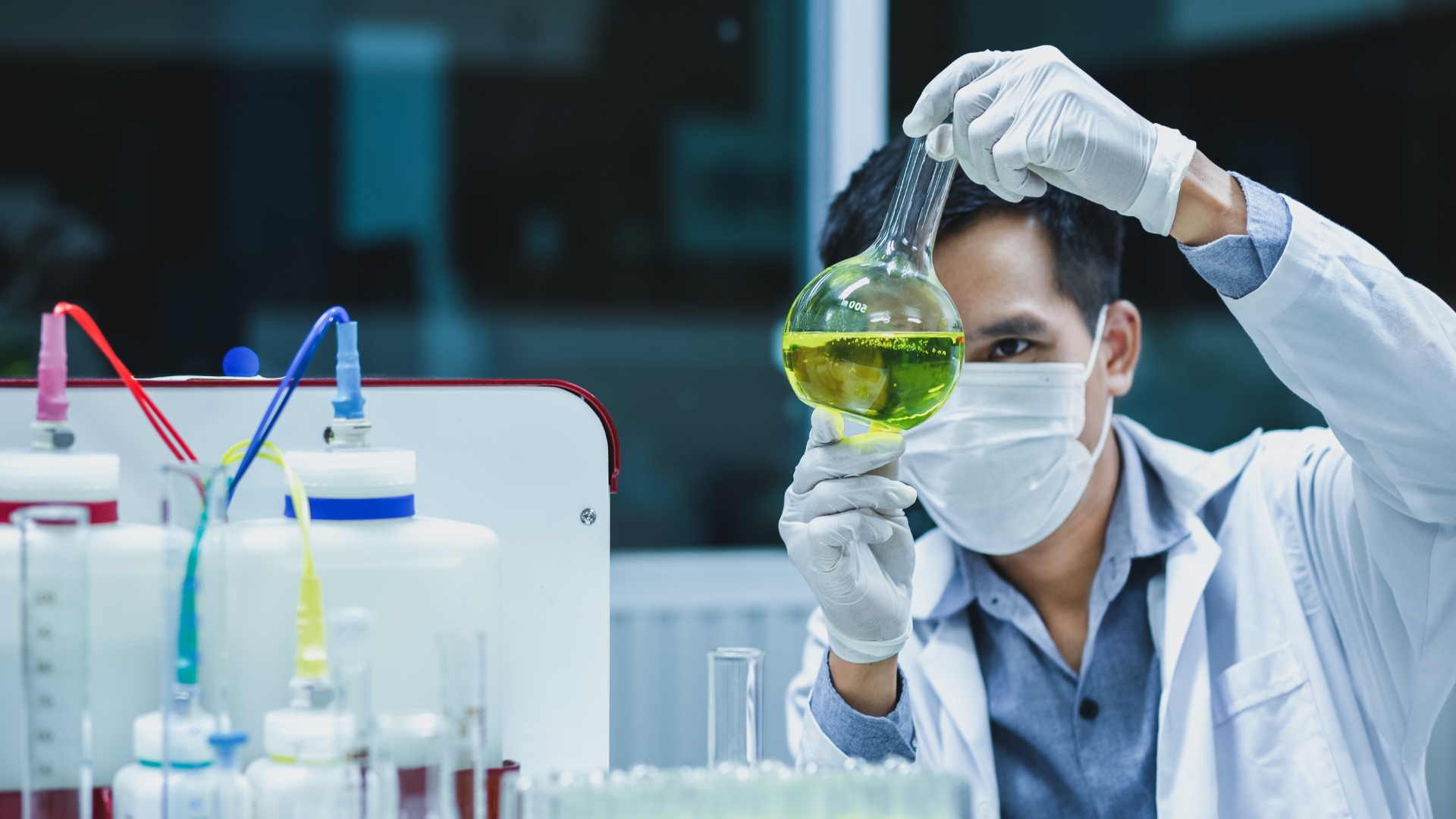
The pharmaceutical industry is growing rapidly, driven by new technologies, regulatory changes, and shifting market demands. These trends are transforming how drug products are developed, focusing on speed, cost-efficiency, and regulatory compliance.
- Digital Technologies Integration: AI and machine learning are streamlining drug development, optimizing formulations, predicting outcomes, and enhancing efficiency throughout the process.
- Regulatory Harmonization: Global efforts to harmonize regulatory guidelines are simplifying compliance and accelerating product entry across markets, reducing regional barriers.
- Personalized Medicine & Advanced Delivery Systems: Advances in gene therapies and biologics are pushing the development of personalized treatments, requiring specialized manufacturing capabilities.
- Sustainability: Environmental concerns are increasing the adoption of more sustainable practices in drug manufacturing, including reducing waste and improving energy efficiency.
- Biologics and Complex Generics: The growth of biologics and biosimilars is demanding sophisticated manufacturing technologies and stringent quality control.
To remain competitive, pharmaceutical companies must adapt to these trends.
Conclusion
The evolving trends in drug product process development present both opportunities and hurdles for pharmaceutical companies. As the industry adapts to emerging technologies, regulatory changes, and market demands, the need for strategic and compliant processes becomes critical.
From digital integration to personalized medicine and complex generics, staying ahead requires using advanced tools and ensuring regulatory alignment. The next step involves developing a clear strategy and evaluating potential partners who can support this transition.
Explore how DRK Research Solutions can help handle the complexities of drug product process development and ensure compliance while maximizing efficiency across the product lifecycle.
FAQs
1. What is drug product process development?
Drug product process development involves converting a drug substance into a final, market-ready product, ensuring safety, efficacy, scalability, and regulatory compliance.
2. What are the key stages in drug product process development?
The key stages include formulation development, scale-up, tech transfer, analytical validation, and commercialization, each ensuring the product meets regulatory standards and quality.
3. What challenges are commonly faced in drug product process development?
Challenges include formulation complexity, scaling up from lab to commercial production, navigating regulatory compliance, controlling costs, and managing supply chain coordination.
4. How can companies optimize drug product process development?
By adopting best practices such as Quality by Design (QbD), early engagement with regulatory bodies, process optimization, robust data management, and cross-functional collaboration.
5. How do CDMOs support drug product process development?
CDMOs provide expertise in formulation, analytical testing, scale-up, regulatory support, and supply chain management to help streamline the development process and ensure regulatory compliance.