
The biosimilars market is expanding rapidly, driven by the expiration of biologic patents and the increasing demand for affordable treatment options. However, manufacturing biosimilars presents significant challenges, including complex regulatory requirements, maintaining product consistency, and controlling production costs. As competition intensifies and regulatory scrutiny grows, pharmaceutical companies face mounting pressure to scale biosimilars production efficiently while managing these risks.
This blog will explore strategies for optimizing biosimilars manufacturing, focusing on best practices for overcoming common challenges, maintaining regulatory compliance, and improving production efficiency. By highlighting key trends, risks, and solutions, we aim to provide actionable insights to help companies manage the complexities of biosimilars manufacturing and achieve sustainable success.
Key Takeaways
- The biosimilars market is expanding due to patent expirations, but faces challenges in regulatory compliance, cost control, and maintaining consistency.
- Trends driving the market include increased demand, biotech advancements, stricter regulations, and sustainability efforts.
- Overcoming these challenges requires strategic regulatory alignment, quality control, and cost-efficient production processes.
- CDMOs help optimize biosimilars manufacturing through formulation development, scale-up, testing, and regulatory support.
- DRK Research Solutions offers integrated solutions, ensuring quality, compliance, and streamlined production across global markets.
What is Biosimilars Manufacturing?
Biosimilars manufacturing involves producing biologic products that are highly similar to an already approved reference product, with no clinically meaningful differences in safety, efficacy, or potency. Unlike small-molecule generics, biosimilars are derived from living organisms and require complex biotechnological processes.
Key stages in biosimilars manufacturing include:
- Cell line development
- Fermentation
- Purification
- Formulation
Each stage demands sophisticated technology, stringent quality controls, and robust analytical testing to ensure similarity to the reference product. Regulatory requirements are also critical, as approval depends on demonstrating both safety and efficacy through clinical trials. Balancing cost-efficiency with these rigorous standards is a key challenge in biosimilars production.
Key Trends Shaping Biosimilars Manufacturing
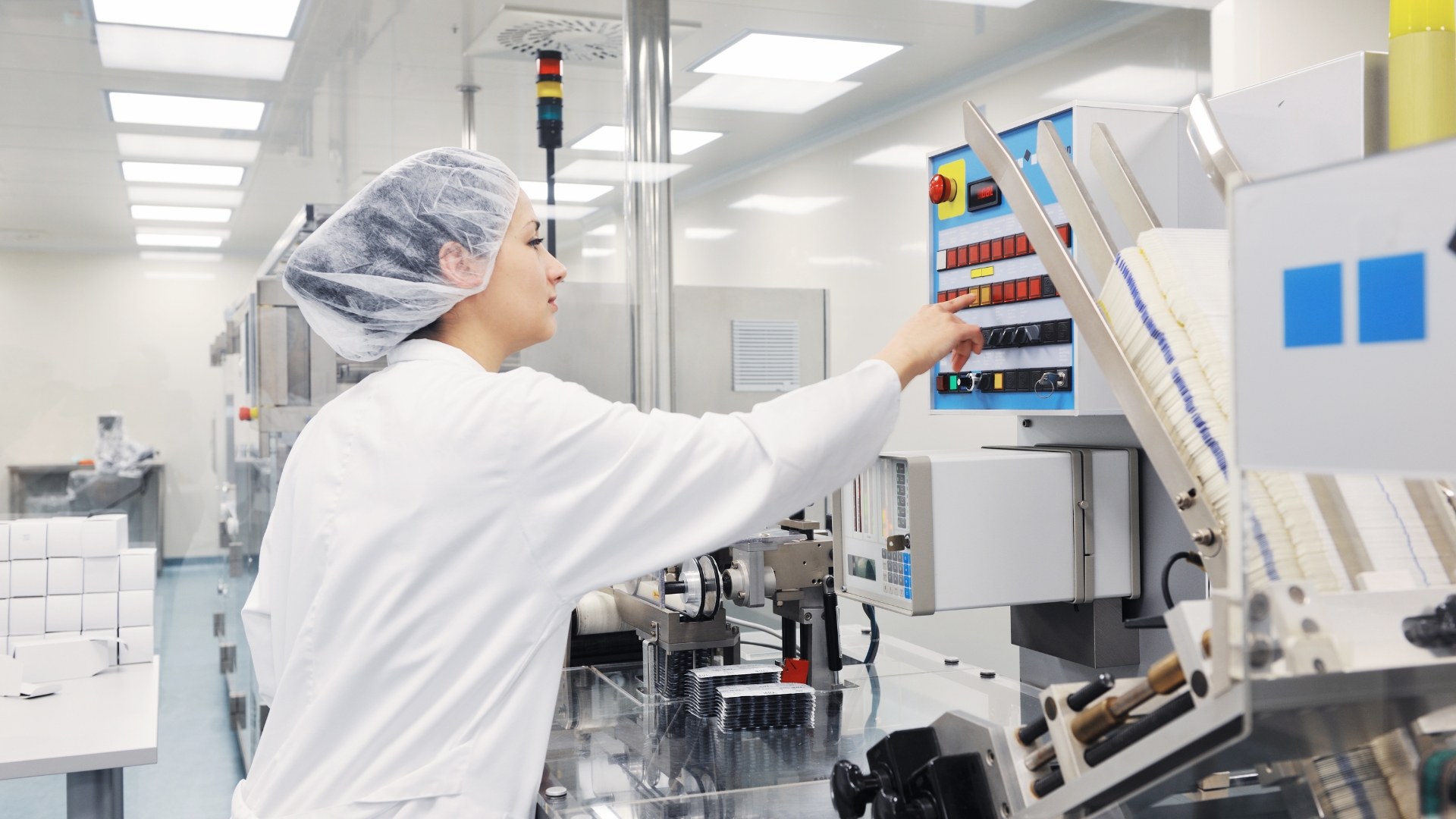
Several key trends are influencing the future of biosimilars manufacturing, driven by advancements in biotechnology, market demands, and regulatory changes.
- Increased Market Demand: As patents for blockbuster biologics expire, the demand for affordable biosimilars is rising. This trend is expected to grow as more biologics face patent cliffs in the coming years.
- Advances in Biotechnology: New techniques in cell culture, protein expression, and purification are improving efficiency, enhancing product yield, reducing costs, and ensuring batch consistency.
- Regulatory Evolution: Regulatory bodies are tightening standards for biosimilars. Manufacturers must stay informed on changing global guidelines to secure market access.
- Cost Reduction Pressures: With growing competition, manufacturers must reduce production costs while maintaining quality and meeting regulatory standards.
- Focus on Sustainability: Sustainable manufacturing practices are gaining traction, with companies adopting eco-friendly technologies to minimize environmental impact and comply with stricter sustainability regulations.
Tackling the Biggest Challenges in Biosimilars Manufacturing
The manufacturing of biosimilars presents unique challenges. Below is a framework that outlines the key risks associated with biosimilars production and potential mitigation strategies:
1. Regulatory Complexities
- Risk: Managing varied regulatory standards across markets can delay approval and increase costs.
- Mitigation:
- Engage in early regulatory consultation to align with global guidelines.
- Use experienced regulatory teams for efficient dossier preparation and submission.
2. Production Consistency and Quality Control
- Risk: Variability in product quality can affect the consistency and safety of the final product.
- Mitigation:
- Implement robust quality control systems throughout the production lifecycle.
- Invest in advanced technologies and automation for better consistency across batches.
3. High Development and Production Costs
- Risk: Significant R&D, clinical trials, and manufacturing infrastructure costs can reduce profitability.
- Mitigation:
- Optimize production processes to lower unit costs and improve scale.
- Focus on cost-effective yet high-quality manufacturing solutions.
4. Supply Chain and Scalability
- Risk: Difficulty in scaling up production without disrupting the supply chain can lead to shortages and delays.
- Mitigation:
- Develop a flexible supply chain that can adjust to demand fluctuations.
- Implement scalable manufacturing processes that ensure consistent output quality.
5. Market Competition
- Risk: The growing number of biosimilar manufacturers increases competition and pressures pricing.
- Mitigation:
- Focus on product differentiation through quality and regulatory compliance.
- Build strong partnerships and develop a comprehensive go-to-market strategy.
How CDMOs Drive Success in Biosimilars Manufacturing
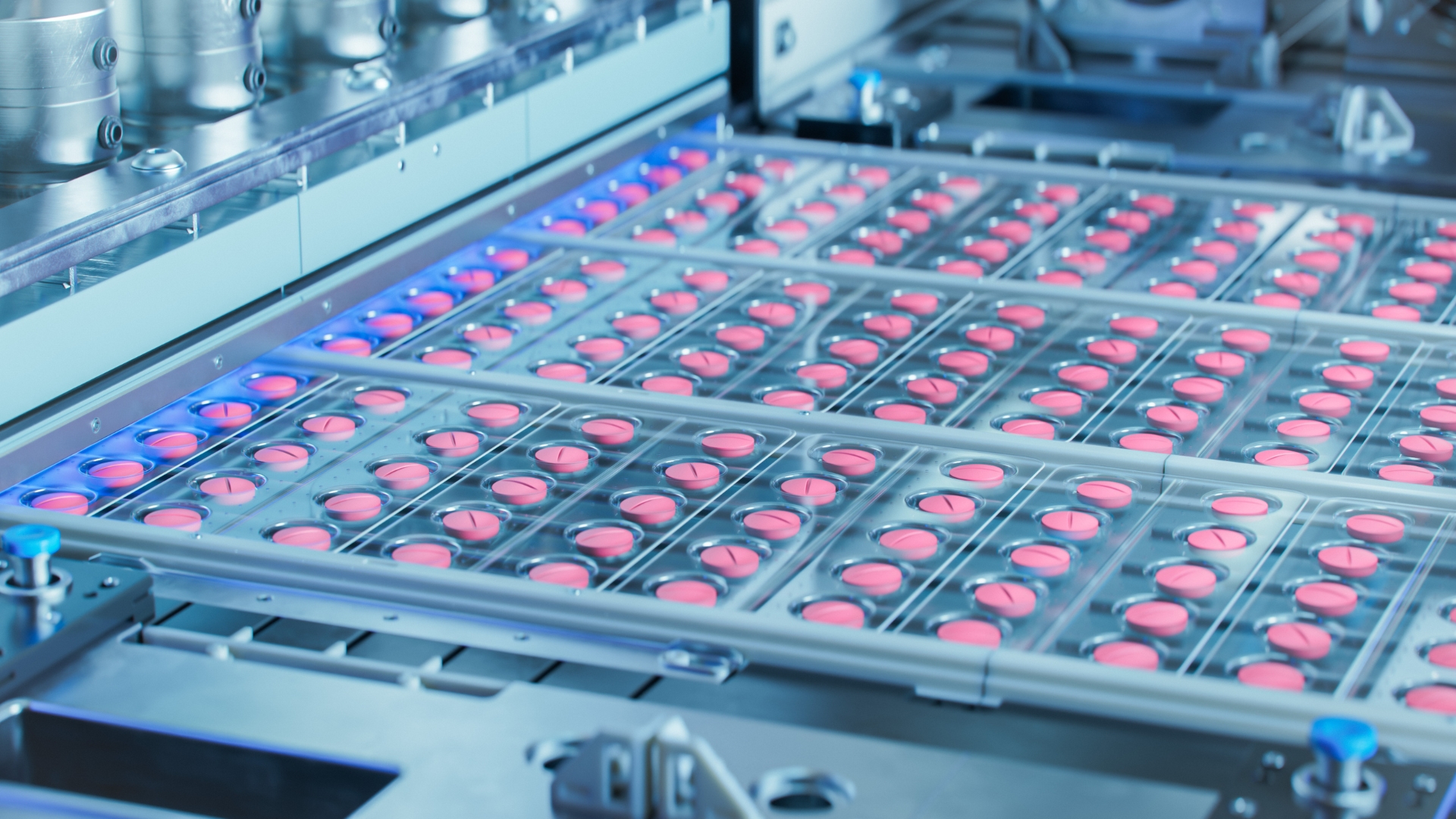
Scaling up biosimilars production requires a strategic approach, and CDMOs play a central role in supporting manufacturers through each critical stage. Below is a framework outlining the specific roles CDMOs fulfill to optimize biosimilars manufacturing.
1. Formulation and Process Development
- Role: CDMOs develop robust formulations and optimize production processes for biosimilars.
- Benefit: Ensures scalable and reproducible manufacturing processes that align with global regulatory standards.
2. Analytical Validation and Stability Testing
- Role: CDMOs perform analytical validation and stability studies to ensure biosimilar consistency.
- Benefit: Supports regulatory approval and provides data demonstrating the biosimilar’s equivalence to the reference product.
3. Technology Transfer and Scale-Up
- Role: CDMOs manage the transfer of formulations from R&D to GMP manufacturing and scale-up production.
- Benefit: Enables smooth transitions from lab-scale to full-scale manufacturing while maintaining process consistency.
4. GMP Manufacturing and Quality Control
- Role: CDMOs oversee GMP manufacturing processes and implement rigorous quality control systems.
- Benefit: Guarantees that the biosimilar meets quality standards, regulatory compliance, and batch-to-batch consistency.
5. Regulatory Support and Market Access
- Role: CDMOs provide regulatory guidance to ensure the biosimilar meets the requirements of various global markets.
- Benefit: Helps navigate the complexities of market-specific regulatory frameworks, expediting time to market.
How Does DRK Research Solutions Support Manufacturing?
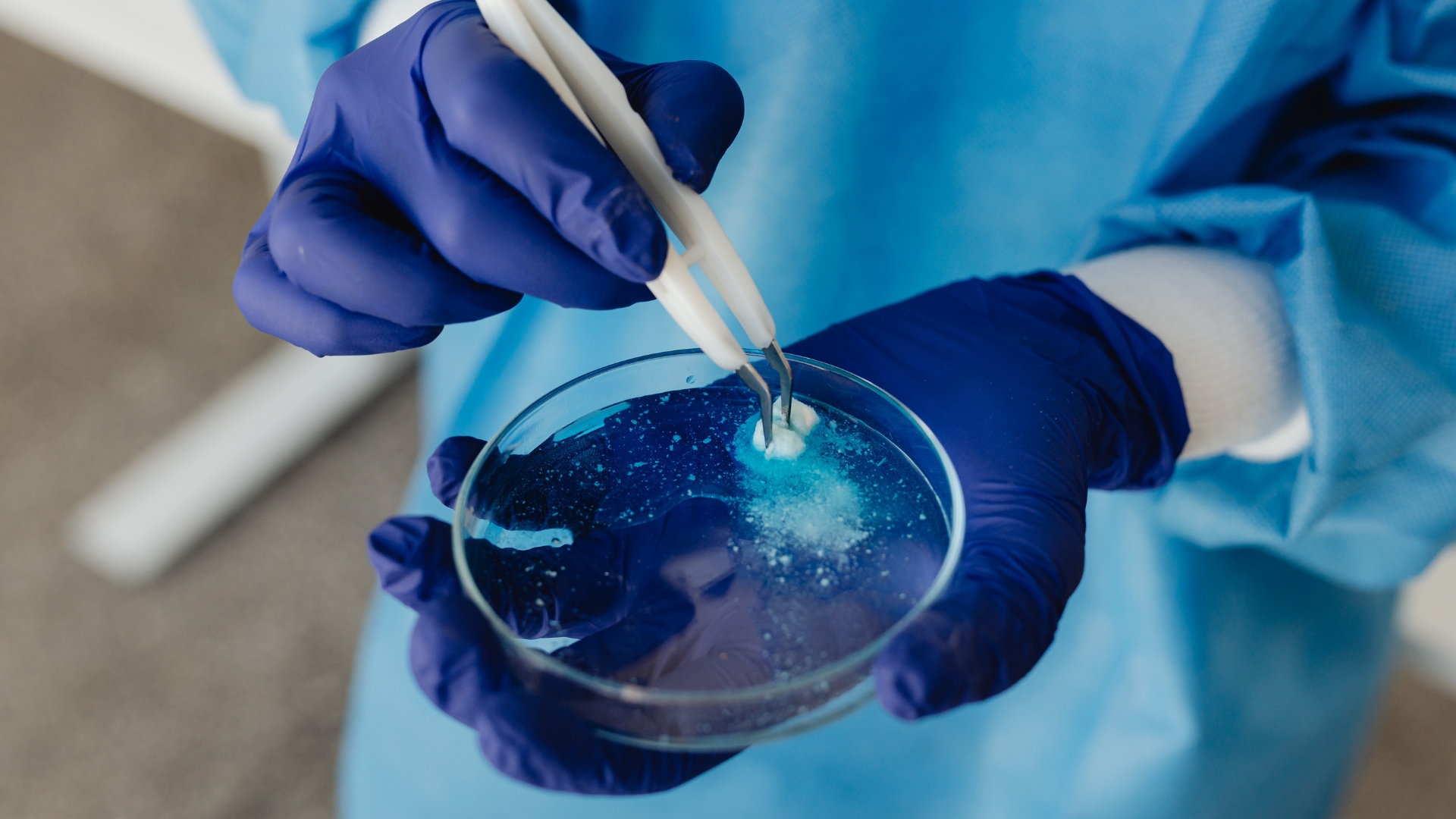
DRK Research Solutions integrates these capabilities across all stages to ensure the successful production of high-quality manufacturing.
- End-to-End Development Support: DRK provides formulation development, analytical testing, and stability studies to ensure every dosage form is scientifically sound and ready for regulatory approval.
- GMP Manufacturing Across Dual Geographies: DRK works with GMP-certified facilities in Europe, ensuring compliance with EU standards. This approach enables cost-effective and scalable manufacturing without compromising on quality.
- Expertise in Complex and Specialized Formulations: DRK specializes in developing complex generics forms, hybrids, niche products, requiring precise stability and formulation control.
- Regulatory Documentation and eCTD Support: DRK prepares eCTD-ready dossiers with comprehensive documentation, including stability, preservative efficacy, and performance data, ensuring smooth and efficient regulatory submissions worldwide.
- Flexible Production Models and Scalability: DRK offers flexible production options for clinical trials, commercial-scale manufacturing and production while maintaining consistent quality.
Through its integrated model, DRK streamlines manufacturing, helping clients minimize risks and accelerate time-to-market.
What’s Shaping the Future of Biosimilars Manufacturing?
The biosimilars industry is experiencing rapid growth, fueled by increasing demand for affordable biologics and the expiration of biologic drug patents. As more biosimilars enter the market, manufacturing processes will evolve to meet growing regulatory, technical, and market requirements.
| Trend | Impact |
| Evolving Regulatory Framework | Streamlined approval processes and improved market access for new biosimilars. |
| Technological Advancements | Continuous bioprocessing for more efficient, cost-effective production, reducing time to market. |
| Global Market Expansion | Growing opportunities in emerging markets require compliance and cost-efficiency in biosimilar production. |
| Focus on Complex Biosimilars | Shift toward more complex biosimilars, requiring advanced manufacturing and specialized expertise. |
Conclusion
Biosimilars manufacturing is evolving with technological advancements, regulatory shifts, and a growing global market. As demand for affordable biologics increases, manufacturers must optimize production processes to meet regulatory requirements while maintaining cost-efficiency.
To remain competitive, manufacturers must focus on scalability, regulatory alignment, and process optimization. For those assessing CDMOs, considering these factors is essential. If you’re looking to manage the complexities of biosimilars manufacturing, DRK’s expertise can guide you through the process, ensuring successful market entry.
If you’re ready to explore how these strategies can be implemented in your manufacturing process, DRK Research Solutions’ expertise can help guide you through the complexities of production and ensure successful market entry.
FAQs
1. What are the key challenges in biosimilars manufacturing?
Biosimilars manufacturing faces challenges such as complex regulatory requirements, maintaining product consistency, controlling production costs, and scaling production efficiently while ensuring compliance.
2. How do CDMOs contribute to biosimilars manufacturing?
CDMOs support biosimilars manufacturing by optimizing formulation, ensuring regulatory compliance, managing technology transfers, scaling production, and maintaining high-quality standards throughout the process.
3. What role do technological advancements play in biosimilars production?
Technological advancements in biotechnology, such as improved cell culture techniques and protein purification, help enhance production efficiency, reduce costs, and ensure batch consistency in biosimilars manufacturing.
4. What is the impact of evolving global regulations on biosimilars manufacturing?
Global regulatory changes require manufacturers to stay updated and comply with varying guidelines, impacting approval timelines, market access, and manufacturing processes for biosimilars.
5. How can DRK Research Solutions help in high quality manufacturing?
DRK Research Solutions provides end-to-end support in high quality manufacturing, offering expertise in process optimization, regulatory compliance, and scalable production to ensure successful market entry.