
Dissolution testing has become a cornerstone of quality assurance in modern pharmaceutical development. For solid oral dosage forms, modified-release tablets, and complex formulations, dissolution testing predicts how drugs will release in the body, ensuring consistent therapeutic performance where simple content assays fall short.
The business case is clear. Reliable dissolution data means faster formulation optimisation, smoother regulatory approvals, and reduced risk of batch failures. It allows critical medicines to reach patients with predictable efficacy, an advantage for sponsors managing multi-region.
As global regulatory expectations rise and formulations become more complex, dissolution testing is now an essential capability for every advanced CDMO.
In this blog, we outline what a dissolution test is, why it matters strategically, and how DRK Research Solutions applies it across development and GMP manufacturing.
Key Takeaways:
- Early dissolution testing helps anticipate drug release, optimise formulations, and reduce costly development iterations.
- Robust dissolution data builds regulatory confidence and supports approvals, bioequivalence studies, and multi-region submissions.
- Partnering with an experienced CDMO ensures method validation, parameter control, and batch-to-batch consistency across supply.
- Accurate dissolution testing improves therapeutic predictability and mitigates risks during scale-up.
Integrating dissolution testing from R&D to GMP production ensures scalable, reproducible, and compliant drug products.
What is a Dissolution Test and Why Does It Matter in Pharmaceutical Manufacturing?
To begin, a dissolution test is a laboratory procedure that evaluates how quickly and efficiently an active pharmaceutical ingredient (API) dissolves. This insight allows developers to anticipate drug absorption and therapeutic effectiveness without waiting for clinical trials.
- Predicts Bioavailability: Determines the fraction of the drug available for absorption, guiding early formulation decisions.
- Ensures Product Quality: Confirms consistency across batches, supporting regulatory filings.
- Guides Formulation Decisions: Helps select optimal excipients, coatings, and manufacturing parameters for targeted release.
With this foundational understanding, dissolution testing also plays a key role throughout drug development and R&D.
Top 5 Roles of Dissolution Testing in In-Vivo Drug Development and R&D

Incorporating dissolution testing early on accelerates development and mitigates risk. The following highlights the most critical roles it serves:
- Predicts Drug Release Rates: By evaluating release in vitro, potential formulation issues can be detected before costly clinical trials.
- Identifies Critical Material Attributes: Reveals which formulation components or process parameters most influence release kinetics, guiding precise adjustments.
- Supports Formulation Optimization: Informs excipient selection, granulation methods, and coating strategies to achieve reproducible and scalable drug release.
- Enables Scalable Manufacturing: Ensures that optimised formulations can be reliably produced at commercial scale without compromising quality.
- Strengthens Regulatory Confidence: Provides robust data for regulatory submissions and audits, reducing approval delays and demonstrating control over product quality.
By integrating these insights, manufacturers can ensure formulations are reliable, reproducible, and primed for successful commercial production.
Standard Testing Apparatus and Analytical Methods
Accurate dissolution testing depends on standardised equipment, controlled test conditions, and validated analytical techniques to ensure reproducible and regulatory-acceptable results.
1. USP Apparatus I and II (Basket and Paddle Systems)
These are the most widely used dissolution systems. Apparatus I is typically applied to capsules or dosage forms that tend to float, while Apparatus II is preferred for tablets and solid oral formulations. Selection is based on dosage form behaviour, formulation design, and compendial requirements.
2. Controlled Test Conditions
Dissolution testing is performed under tightly regulated parameters, including temperature control at 37 ± 0.5 °C, defined agitation speeds, and predetermined sampling intervals. These conditions are designed to simulate gastrointestinal environments and ensure consistent drug release profiles.
3. Analytical Quantification Methods
Drug release is quantified using validated analytical techniques such as UV–visible spectrophotometry for routine analysis and HPLC for higher specificity and sensitivity. These methods ensure accurate measurement of dissolved drug concentration at each time point.
Together, standardised apparatus, controlled conditions, and robust analytical methods ensure dissolution data is reliable, reproducible, and suitable for quality control, formulation development, and regulatory submissions.
How To Use Dissolution Testing to Drive Effective Drug Development?
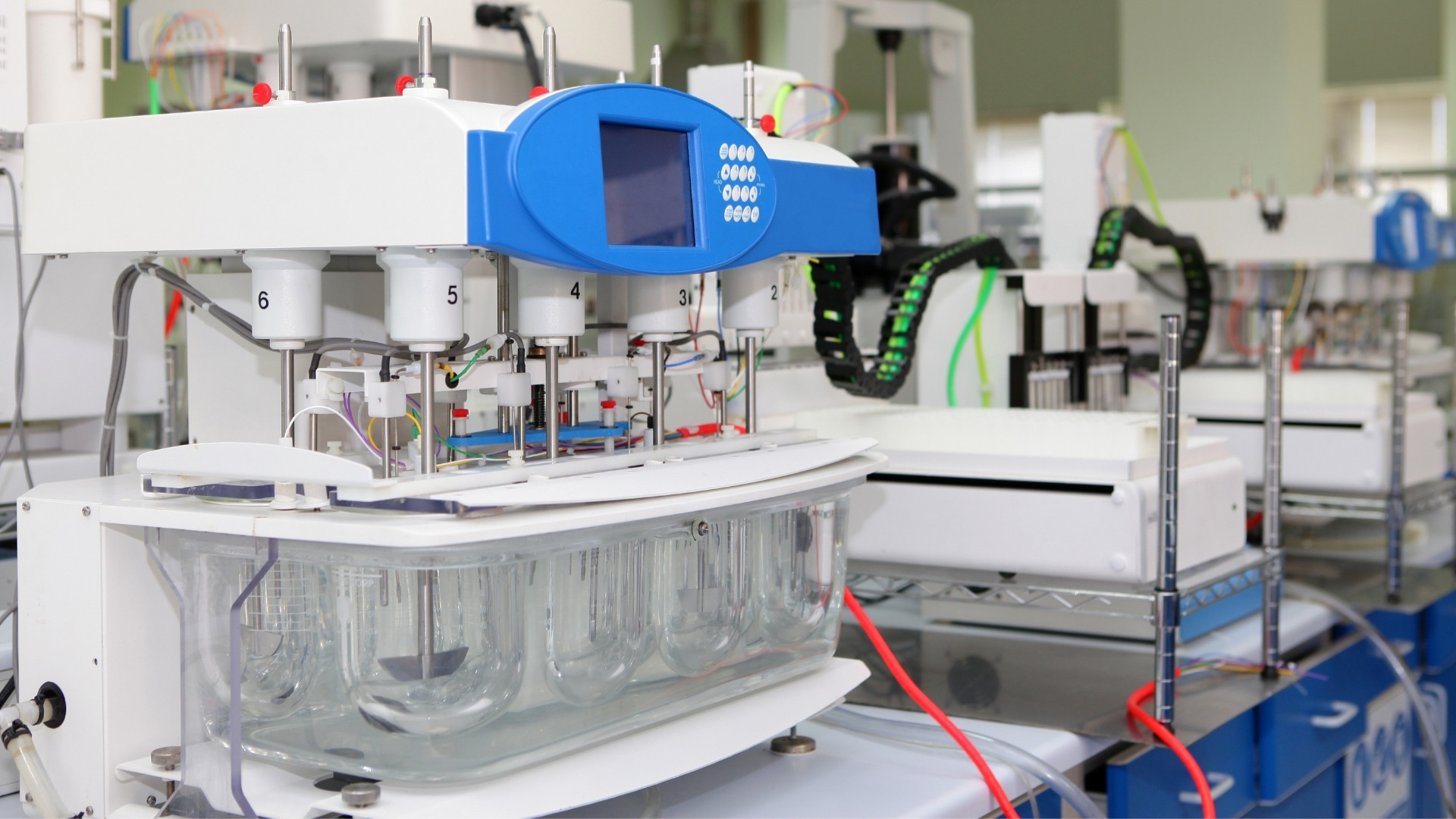
Integrating dissolution testing early in pharmaceutical development provides a scientific foundation for formulation decisions.
By generating actionable data on how a drug releases, manufacturers can optimize products efficiently, reduce development risk, and ensure scalability for commercial production.
1. Anticipating Drug Release Behaviour
Early evaluation of drug release profiles helps predict in-vivo performance and guides formulation selection.
Strategy: Implement in-vitro dissolution studies to identify formulations that are most likely to meet therapeutic objectives, saving time and resources.
2. Highlighting Critical Material Attributes
Identifying key excipients and process variables that influence drug release ensures consistent outcomes.
Strategy: Use dissolution data to determine which formulation components require adjustment, ensuring consistent performance.
3. Guiding Formulation Optimisation
Optimising excipient ratios, granulation, and coating methods improves batch-to-batch reproducibility.
Strategy: Use dissolution insights to refine formulation and process parameters, enhancing predictability and scalability.
By adopting a structured dissolution testing approach, pharmaceutical developers gain early clarity on formulation performance, streamline development, and strengthen readiness for regulatory approval.
How Dissolution Testing Guides Formulation Differentiation?
By using dissolution testing strategically, you can bridge the gap between laboratory development and reliable clinical outcomes. This allows manufacturers to make informed decisions early in development, ensuring therapeutic efficacy and reducing the risk of delays.
The following insights and approaches illustrate how dissolution testing helps differentiate formulations, optimize processes, and maintain batch consistency:
1. Identifying the Optimal Formulation
Insight: Early differentiation helps prioritize formulations with the highest potential for clinical effectiveness.
Strategy: Analyse dissolution profiles to select candidates that meet target release rates, reducing development risk and accelerating decision-making.
2. Refining Formulation Parameters
Insight: Small adjustments in formulation components can significantly influence drug release and stability.
Strategy: Use dissolution data to optimise excipient composition, coating properties, and particle characteristics, ensuring precise control over release kinetics.
3. Maintaining Batch-to-Batch Consistency
Insight: Variability between batches can compromise efficacy and regulatory compliance.
Strategy: Implement continuous monitoring to confirm all batches achieve consistent dissolution performance, supporting reliable patient outcomes and smoother regulatory approvals.
4. Streamlining Development Timelines
Insight: Informed formulation decisions reduce iterative cycles and resource expenditure.
Strategy: Leverage dissolution testing early in development to focus efforts on high-performing candidates, improving efficiency and time-to-market.
By integrating these strategies, dissolution testing becomes a proactive tool, enhancing formulation quality, regulatory readiness, and commercial reliability.
5 Ways Dissolution Testing Ensures Manufacturing Quality
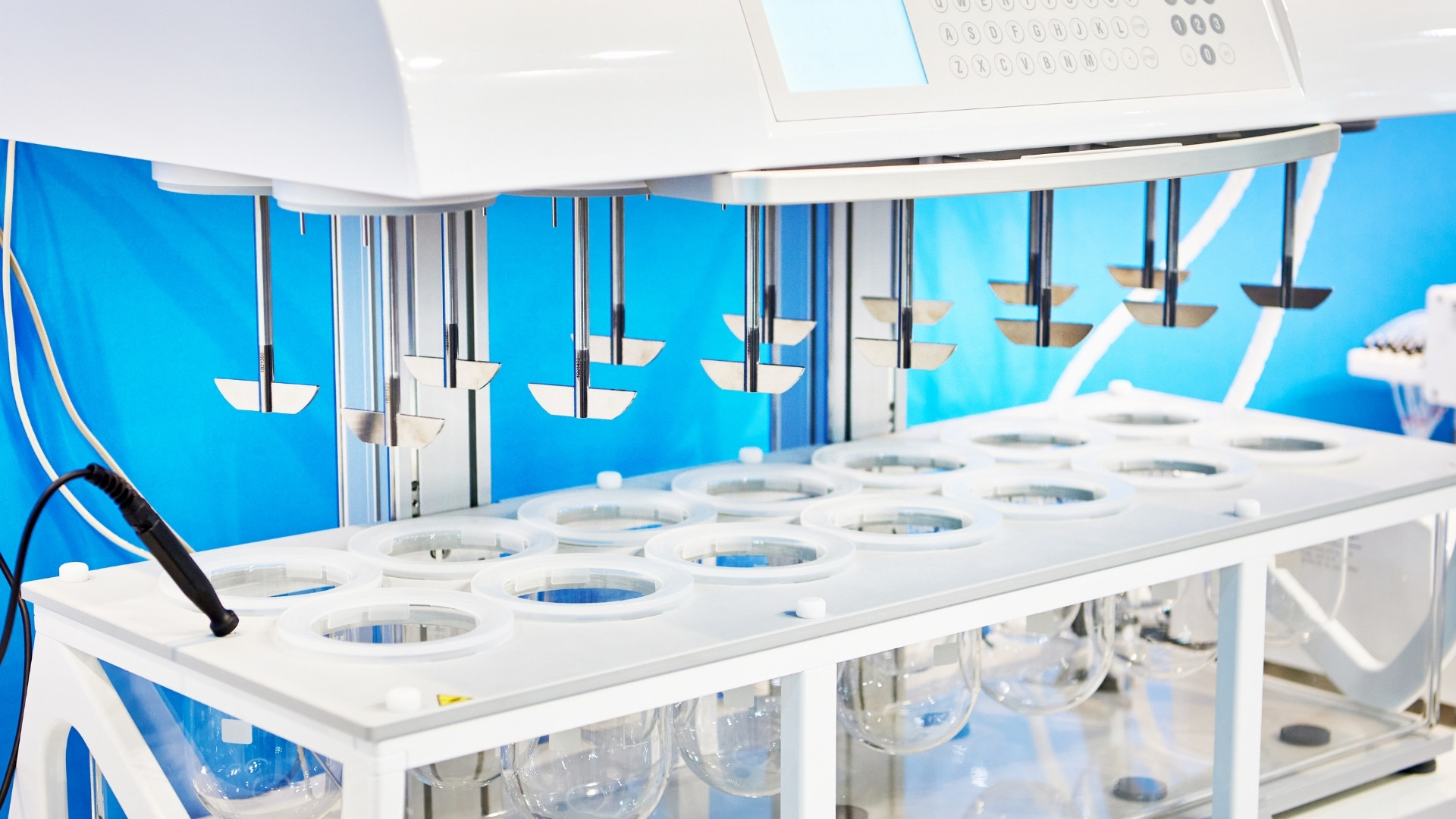
In pharmaceutical manufacturing, dissolution testing plays a critical role in maintaining product quality, compliance, and batch reliability. By integrating it throughout production, manufacturers can proactively address issues before they affect final products.
- Monitoring Batches in Real Time: Helps detect deviations early and reduces the need for rework.
For example, NIR spectroscopy tracks tablet blend uniformity during production to prevent substandard batches.
- Meeting Regulatory Expectations: Ensures compliance with FDA, EMA, and other global authorities, which consider dissolution testing essential for batch release.
Example: Tablets must meet USP dissolution criteria before commercial shipment.
- Validating Process or Formulation Changes: Confirms that any adjustments do not compromise performance.
For instance, adjusting the polymer ratio in a controlled-release tablet requires dissolution verification to maintain the release profile.
- Maintaining Batch Consistency: Compares current production lots with historical data to ensure reproducibility and reliability.
Example: Multiple syrup batches are routinely tested to confirm API concentration uniformity.
- Integrating Process Verification: Incorporates dissolution testing into QC workflows to safeguard patient safety and product quality.
For example, at-line testing of granules for moisture content ensures proper drying before tablet compression.
Immediate Release vs. Modified/Extended Release: Dissolution Testing Considerations
Dissolution testing strategies must adapt to the specific release characteristics of a drug to ensure consistent quality, regulatory compliance, and predictable clinical outcomes. Immediate release (IR) formulations require rapid drug availability, while modified or extended release (MR/ER) forms are designed for controlled, prolonged delivery.
The table below highlights key aspects of dissolution testing for both types of dosage forms:
| Aspect | Immediate Release (IR) | Modified/Extended Release (MR/ER) |
| Drug Release Profile | Rapid release, typically ≥80% within the specified timeframe | Controlled release over several hours |
| Sampling Strategy | A few time points to confirm dose release | Multiple time points to ensure consistent release |
| Regulatory Compliance | Standard IR specifications | Extended specifications with defined tolerance |
| Batch-to-Batch Consistency | Ensures uniform rapid release | Confirms reproducible sustained release |
| Analytical Method | USP I/II apparatus with standard media | Flow-through cells or biorelevant media for accurate simulation |
| Testing | Standard dissolution test conditions | Extended and multi-point dissolution testing to capture the release profile |
| Impact | Ensures rapid therapeutic effect and immediate bioavailability | Supports sustained therapeutic effect and predictable clinical performance |
Top Biorelevant Dissolution Methods and IVIVC

Modern pharmaceutical development increasingly relies on biorelevant dissolution testing to predict real-world drug performance. These approaches connect lab data to clinical outcomes, improving both development and regulatory confidence.
1. Simulating Physiological Conditions
To better predict drug release, biorelevant methods replicate gastrointestinal environments, including pH, enzymes, and transit times.
Impact: Improves accuracy of in vitro predictions, reducing formulation failures during clinical testing.
2. In-Vitro/In-Vivo Correlation (IVIVC)
This correlation links laboratory dissolution results with expected in vivo performance, reducing the need for extensive human trials.
Impact: Accelerates development timelines and lowers costs by minimising reliance on animal or human studies.
3. Strategic Advantage
Using these methods strengthens regulatory submissions, speeds approvals, and ensures consistent supply across global markets, including resource-limited regions.
Impact: Enhances global market access and ensures patient safety by demonstrating predictable drug behaviour.
Incorporating biorelevant methods and IVIVC enhances formulation reliability and provides actionable insights throughout both R&D and commercial manufacturing.
Regulatory Requirements for Dissolution Testing
By strategically implementing dissolution tests, manufacturers can ensure regulatory compliance, demonstrate equivalence, and maintain consistency throughout the product lifecycle.
The table below highlights the key regulatory aspects supported by dissolution testing and its role in pharmaceutical operations:
| Regulatory Aspect | Role of Dissolution Testing |
| Generic Development | Confirms equivalence to reference products, ensuring therapeutic comparability. |
| Generic Marketing Authorisation Applications’ (EU equivalent) | Provides essential data required for regulatory approval of generics. |
| Lifecycle Consistency | Supports ongoing quality assurance during scale-up, technology transfers, or post-approval modifications. |
| Post-Marketing Changes | Validates that formulation or process modifications do not affect product performance. |
| International Regulatory Compliance | Aligns with global requirements (FDA, EMA, WHO), enabling multi-market submissions. |
| Bridging Studies | Demonstrates comparability between batches, sites, or dosage forms during tech transfer or scale-up. |
By integrating dissolution testing into development and manufacturing workflows, pharmaceutical companies can confidently understand regulatory pathways while ensuring consistent product performance across markets
How to Choose the Right Dissolution Medium?
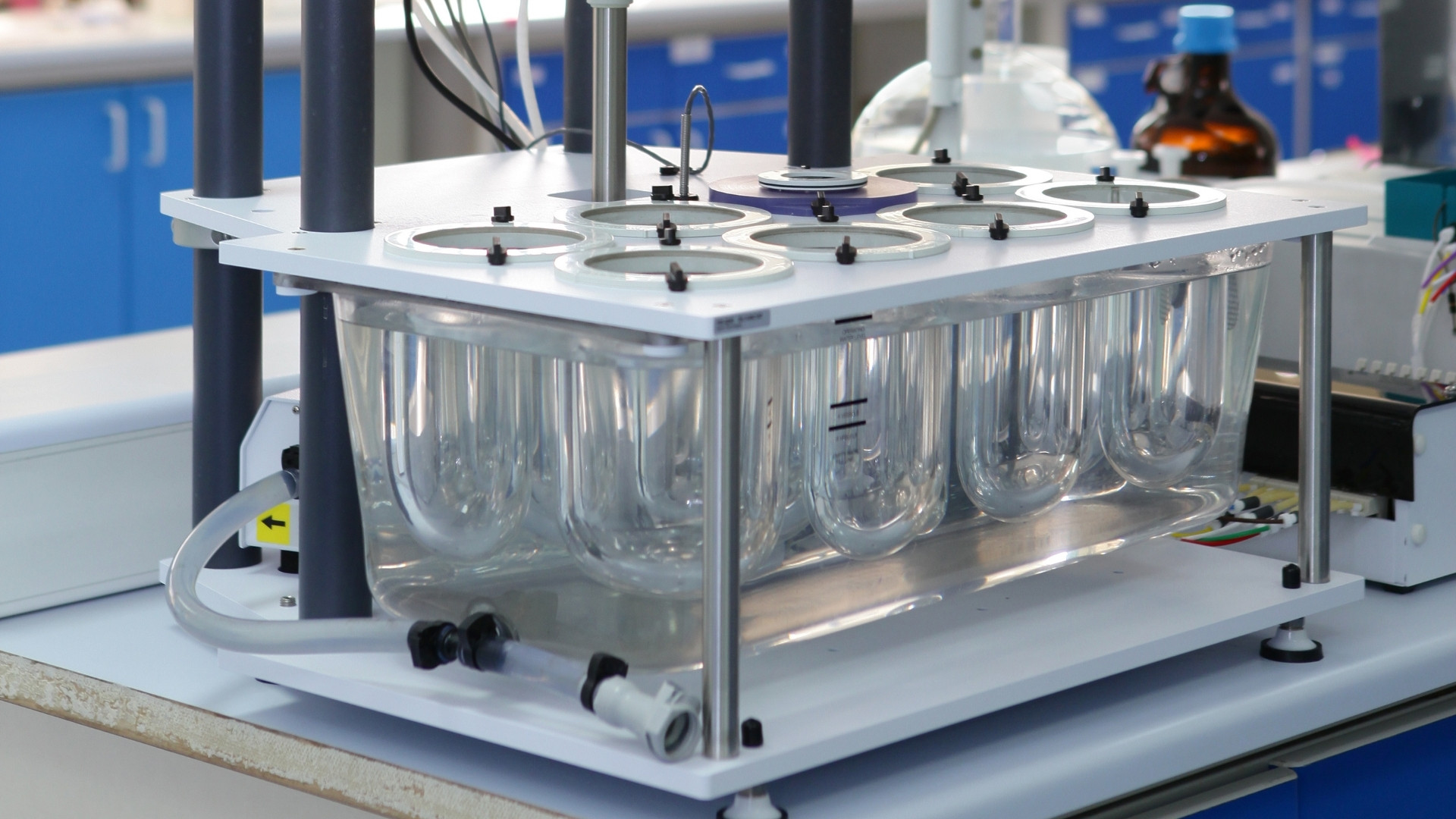
Selecting an appropriate dissolution medium is a critical step in ensuring that the test results are meaningful and predictive of real-world drug performance. The right medium helps replicate physiological conditions, supports accurate measurement of drug release, and strengthens regulatory confidence.
Key considerations include:
- Physiological Relevance: Adjust pH, ionic strength, and surfactant content to mimic the gastrointestinal environment, ensuring the test reflects in vivo drug release.
- Solubility Support: Use aqueous-organic mixtures for poorly water-soluble APIs to accurately measure dissolution rates and avoid misleading data.
- Global Applicability: Test across varied pH ranges to confirm consistent performance across populations and regions.
- Regulatory Alignment: Select media that comply with USP, EMA, or other regulatory guidance to ensure acceptance of results for submissions.
- Predictive Accuracy: Tailor the medium to specific dosage forms and excipients to maximise correlation with clinical performance.
Selecting the right medium allows the dissolution test to deliver actionable insights for formulation optimisation, regulatory submissions, and reliable manufacturing outcomes.
Why CDMOs Are Central to Effective Dissolution Testing?
Partnering with a Contract Development and Manufacturing Organisation (CDMO) is essential for integrating dissolution testing into pharmaceutical development and manufacturing. CDMOs bring scientific expertise, validated analytical infrastructure, and globally aligned quality systems to support accurate, regulatory-compliant dissolution studies.
DRK Research Solutions focuses on drug product development and manufacturing. Active pharmaceutical ingredients (APIs) are sourced through qualified and approved vendor partners, ensuring compliance, quality, and supply reliability while DRK manages downstream formulation development, analytical testing, and GMP manufacturing activities.
This approach reduces internal operational burden, ensures consistency across batches, and provides actionable insights for both development and commercial supply.
Key areas where CDMOs add value in dissolution testing:
- Dissolution Test Method Development: CDMOs design robust dissolution test protocols tailored to each dosage form. They select appropriate apparatus, media, and sampling conditions to accurately reflect in vivo drug release and support reliable bioavailability predictions.
- Identifying Critical Dissolution Parameters: Through method validation and risk assessment, CDMOs determine critical factors such as pH range, agitation speed, temperature, and sampling intervals. Controlling these parameters ensures reproducible and meaningful test results.
- Supporting Formulation Optimisation: CDMOs leverage dissolution data to guide formulation adjustments, including excipient selection, coating thickness, and particle size modification. This enables faster identification of the optimal formulation for clinical and commercial success.
- Ensuring Batch-to-Batch Consistency: Validated dissolution procedures, in-process checks, and quality controls ensure that every batch meets predefined release specifications. This minimises variability, reduces risk, and maintains regulatory confidence.
- Regulatory-Ready Documentation: CDMOs prepare complete, submission-ready reports including dissolution profiles, method validation data, and comparative analyses. This supports regulatory filings, audits, and approvals without delays.
A capable CDMO does more than perform dissolution tests; they translate data into actionable insights, ensuring product quality, regulatory compliance, and consistent performance across development and commercial supply.
How DRK Research Solutions Optimises Pharmaceutical Manufacturing with Dissolution Testing?
DRK Research Solutions integrates dissolution testing as a core control point across formulation development, scale-up, and GMP manufacturing. Rather than treating dissolution as an isolated quality test, DRK embeds it within a broader CDMO framework that supports reproducibility, regulatory alignment, and lifecycle continuity.
And DRK does not support drug substance (API) manufacturing; however, it provides comprehensive downstream services, including drug product development and manufacturing. APIs are sourced through qualified suppliers and approved vendor partners.
- Integrated Development Support: Dissolution testing is applied during formulation development, process optimisation, and stability studies to ensure drug release remains consistent as products move toward GMP manufacture.
- GMP Manufacturing Across Dual Geographies: DRK collaborates with EU-approved manufacturing facilities in Europe and Asia that operate under EU- and US-alali gned GMP systems. This ensures cost-efficient production while maintaining full regulatory credibility and compliance.
- Complex and Niche Formulation Expertise: Dissolution strategies are tailored for modified-release products, complex generics, paediatric formulations, and niche dosage forms where release kinetics are critical.
- Regulatory-Ready Documentation: Dissolution profiles, method validation data, and comparative studies are compiled into submission-ready technical packages aligned with FDA, EMA, and ICH expectations.
- Clinical and Commercial Supply Continuity: The same dissolution controls are maintained from clinical trial material through commercial manufacturing, reducing variability during scale-up and technology transfer.
This integrated CDMO model allows sponsors to maintain consistent product performance while reducing regulatory risk and development friction.
Conclusion
A dissolution test is a cornerstone of pharmaceutical manufacturing, providing critical insights into drug release, bioavailability, and product consistency. When implemented strategically, it strengthens formulation development, ensures regulatory compliance, and supports reliable manufacturing outcomes. Pharmaceutical and biotech companies increasingly rely on CDMO partners who combine scientific rigor with dependable GMP execution.
DRK Research Solutions supports sponsors through integrated development, precise analytical testing, and multi-region quality oversight. By leveraging robust dissolution testing, DRK helps sponsors maintain batch consistency, reduce risk, and ensure predictable global supply.
Ready to enhance your manufacturing process with expert dissolution testing? Connect with DRK Research Solutions’ CDMO team to discuss your next program.
FAQs
1. What does a dissolution test measure in pharmaceuticals?
A dissolution test measures the rate and extent of drug release from a dosage form, helping predict in-vivo performance and bioavailability.
2. Why is dissolution testing critical for drug quality?
It ensures consistent product performance, guides formulation optimisation, and supports regulatory compliance for both development and commercial batches.
3. What challenges are common in dissolution testing?
Key challenges include selecting the right dissolution medium, maintaining controlled test conditions, achieving reproducibility, and analysing data for complex or modified-release formulations.
4. How does dissolution testing support formulation and manufacturing decisions?
Dissolution testing provides actionable insights into drug release behaviour, enabling manufacturers to optimise formulations, adjust processing parameters, and ensure batch-to-batch consistency before commercial release.
5. What regulatory standards govern dissolution testing?
Regulators require validated methods that demonstrate batch-to-batch consistency, support bioequivalence, and comply with USP, ICH, or other relevant guidelines, along with thorough documentation.