
Freezing and drying technologies are critical in ensuring the stability and shelf-life of sensitive pharmaceutical products, yet they come with significant challenges. Delays in manufacturing timelines, cost overruns, and regulatory hurdles are common risks, particularly when scaling up to meet commercial demands.
The pressure to deliver quality products on time is immense, especially when navigating the complexities of global markets. The wrong partner or inefficient processes can lead to costly mistakes, jeopardizing not only timelines but also the product’s regulatory approval and ultimate market success.
This blog will explore key strategies to manage these challenges, offering a framework to evaluate freezing and drying solutions for your product development and manufacturing. We’ll outline how to minimize risks, optimize processes, and ensure regulatory compliance while maintaining cost control.
Key Takeaways
- Freezing and drying technologies, like lyophilization, preserve the stability and shelf-life of temperature-sensitive pharmaceuticals, including biologics and vaccines.
- These methods reduce cold-chain logistics, improving accessibility, supporting global health equity.
- Integration requires strategic planning, process validation, scalability, and regulatory compliance throughout development and manufacturing.
- Regulatory requirements include detailed documentation, stability testing, and adherence to GMP/GxP standards to ensure product safety.
- Risks like process variability and compliance issues can be mitigated through robust testing, process controls, and careful scaling.
Understanding Freezing and Drying in Pharmaceutical Manufacturing
Freezing and drying technologies, such as lyophilization, are critical for preserving the stability of temperature-sensitive pharmaceutical products, particularly biologics, vaccines, and HPAPIs. These processes remove water, preventing degradation and ensuring long-term shelf-life.
The choice of freezing and drying methods impacts not only stability but also cost-effectiveness and scalability in GMP-compliant manufacturing. Robust process validation and analytical testing are essential for compliance with regulatory standards like those from the FDA and EMA.
Manufacturing Challenges:
- Scaling from small to large batch introduces variability.
- Consistent processes are crucial for batch-to-batch reliability.
These technologies also improve global accessibility by lowering cold-chain storage needs with constrained supply chains.
The Strategic Importance of Freezing and Drying in Global Health
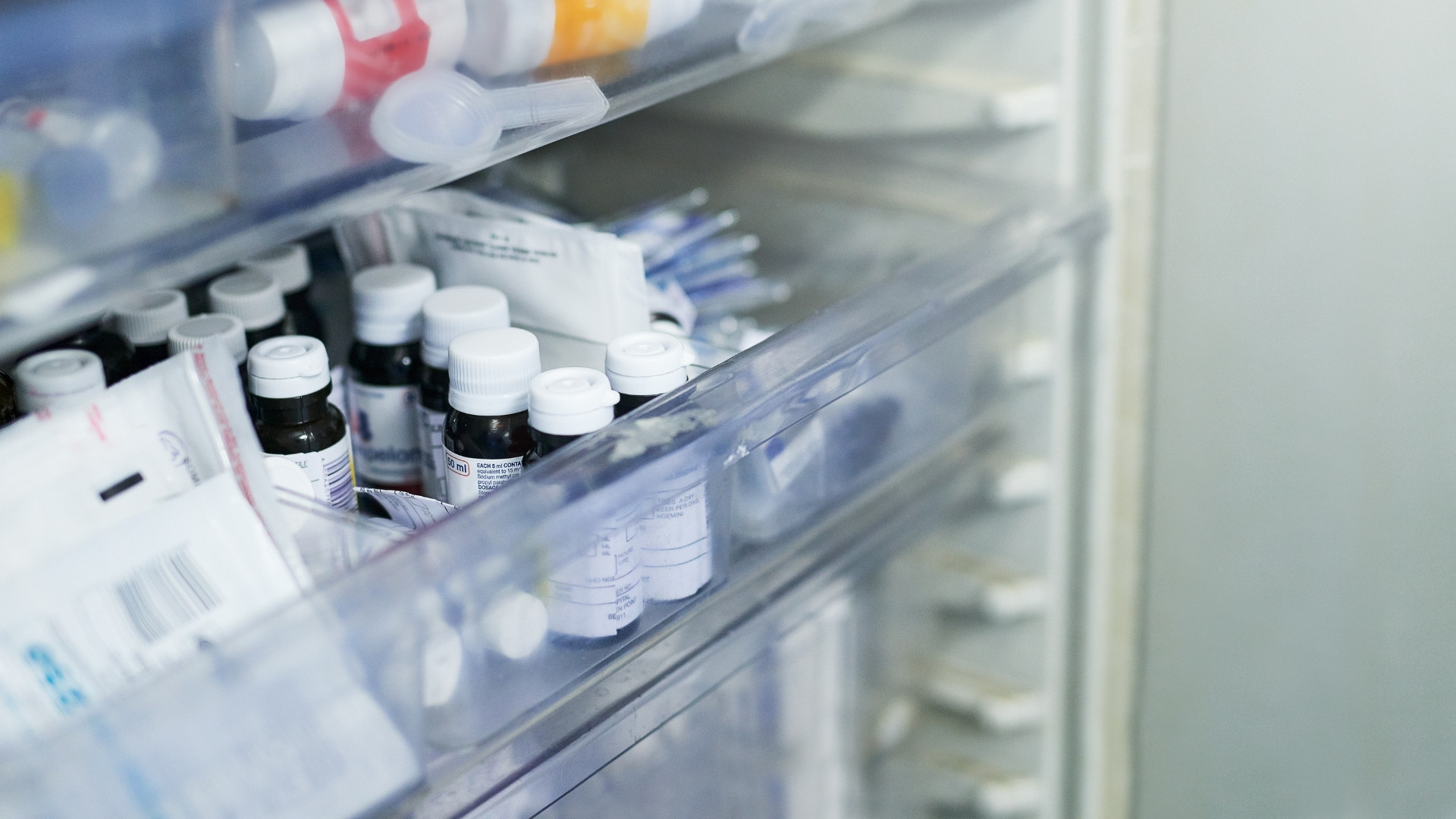
Freezing and drying technologies offer significant advantages in ensuring that critical pharmaceutical products. These methods not only improve the stability and shelf life of these products but also simplify the logistical challenges of distributing them in regions with limited infrastructure.
Key Benefits and Outcomes:
- Cost Reduction: Eliminates the need for expensive cold-chain logistics, making distribution more affordable.
- Outcome: More cost-effective distribution of life-saving treatments globally.
- Enhanced Stability: Preserves the efficacy of biologics and vaccines without refrigeration.
- Outcome: Expanded product shelf-life and easier transportation to remote areas.
- Global Accessibility: Facilitates broader access to critical therapies by overcoming infrastructure barriers.
- Outcome: Increased reach of pharmaceutical products to underserved regions.
- Alignment with SDGs: Supports SDG 3 (Good Health and Well-Being) by improving health access in developing regions.
- Outcome: Contribution to global health equity through affordable and stable drug delivery.
These advantages align with global health goals and offer pharmaceutical companies the opportunity to optimize their operations and improve their public health impact.
Freezing and Drying Technologies in Pharmaceutical Development and Manufacturing
Freezing and drying technologies are vital in the CDMO model to ensure stability and scalability for temperature-sensitive products such as vaccines. The successful implementation of these technologies during both early-stage development and large-scale manufacturing requires a strategic approach, including robust process validation, analytical testing, and GMP compliance.
1. Pre-Formulation and Feasibility Studies
- Conduct stability testing to assess product suitability for freezing and drying.
- Develop initial formulations that maintain product integrity after freeze-drying.
2. Pilot Production and Scale-Up
- Process optimization for scaling from small batches to larger production volumes.
- Analytical validation to confirm that product stability meets regulatory requirements.
3. Tech Transfer and Commercialization
- Transfer the validated process from pilot to commercial-scale production while ensuring regulatory compliance at every stage.
- Prepare regulatory dossiers that document product formulation, manufacturing processes, and stability data for approval.
4. Ongoing Stability and Quality Control
- Conduct long-term stability studies during production to ensure consistent product quality.
- Implement risk management strategies to mitigate potential batch variability or formulation challenges.
By incorporating these technologies strategically throughout development and drug product manufacturing processes, CDMOs can offer scalable, cost-efficient solutions that meet regulatory standards and global market needs.
Also Read: Generative AI in Life Sciences: Faster, Smarter Clinical Trials
Regulatory Considerations for Freezing and Drying in Pharma Manufacturing

Managing regulatory requirements for freezing and drying technologies in pharmaceutical manufacturing requires careful planning and attention to detail. These technologies must meet stringent global regulatory standards to ensure product stability and safety.
Below is a framework to guide the process of aligning freezing and drying with regulatory expectations:
1. Process Documentation and Compliance
- Ensure detailed documentation of the freezing and drying process, including stability testing, analytical testing results, and manufacturing protocols.
- Align with GMP and GxP standards to ensure consistency and safety in every batch.
- Develop regulatory dossiers that meet the specific requirements of global health authorities (e.g., FDA, EMA).
2. Stability Testing and Long-Term Validation
- Conduct long-term stability studies to demonstrate that the freeze-dried product maintains efficacy, safety, and quality over time.
- Ensure stability data supports the required shelf life and storage conditions for regulatory approval.
- Validate the freeze-drying process for consistency across production runs.
3. Regional Regulatory Variations
- Understand and adapt to different regional guidelines (e.g., FDA in the U.S., EMA in the EU).
- Address country-specific regulatory requirements for drug stability, process validation, and product labeling.
- Ensure cross-border compliance to avoid delays or rejections during global market expansion.
4. Environmental and Sustainability Considerations
- Consider environmental sustainability when using freezing and drying technologies, as regulators are increasingly focused on the environmental footprint of manufacturing processes.
- Implement strategies to minimize energy consumption and waste during production.
By following this framework, companies can streamline the regulatory approval process, mitigate risks related to product rejection, and ensure compliance with both local and international standards.
Risks and Mitigation Strategies in Freezing and Drying Technologies
Freezing and drying technologies, while essential, carry several risks that can affect product quality and regulatory compliance. Key risks include process variability, batch inconsistency, and product degradation.
1. Process Variability and Inconsistency
- Risk: Variability in the freezing and drying process can lead to inconsistent product quality.
- Mitigation: Implement process controls and real-time monitoring to track and adjust critical parameters.
2. Regulatory Compliance Challenges
- Risk: Non-compliance with GMP and GxP standards can result in delays or rejections.
- Mitigation: Maintain thorough documentation, including validation studies and regulatory dossiers, and stay current with evolving regulations.
3. Product Degradation
- Risk: Improper freezing and drying can degrade sensitive compounds, especially biologics.
- Mitigation: Conduct stability studies and analytical testing to optimize formulations and ensure product integrity.
4. Scale-Up Risks
- Risk: Scaling from pilot to commercial production can introduce variability and capacity issues.
- Mitigation: Validate processes at each scale-up stage, optimize through small batch runs, and ensure proper technology transfer.
By addressing these risks, companies can ensure product consistency, regulatory compliance, and minimize delays.
Also Read: Top 8 Medtech Innovations in Clinical Trials
Why Choose DRK for Integrated Manufacturing and Complex Formulation Solutions?
DRK Research Solutions’ CDMO division offers comprehensive services supporting pharmaceutical and biopharmaceutical drug products from lab-scale development to commercial supply.
- End-to-End Service: DRK supports the drug product lifecycle, from early-stage formulation design to commercial supply, ensuring quality and regulatory compliance without the need for multiple vendors.
- Specialization in Complex Formulations: DRK supports complex drug products, including hybrids and complex generics, that require advanced formulation science and precise manufacturing.
- Regulatory Compliance: We ensure all supported drug products are manufactured in compliance with GMP and GxP standards and provide regulatory-ready documentation for global submissions.
- Flexible Manufacturing Models: DRK accommodates small- to mid-scale portfolios and niche drug formulations, offering flexible production capabilities.
- Global Reach with Local Cost Advantages: Our geography model integrates facilities with EU regulatory standards, providing cost-efficient solutions while maintaining compliance.
- Co-Development Partnerships: We offer risk-sharing co-development models, accelerating product development while reducing financial exposure for both parties.
Choosing DRK Research Solutions means a seamless workflow that minimizes delays, reduces hand-offs, and ensures consistency from start to finish.
Our ability to handle complex formulations and flexible manufacturing needs makes us the ideal partner for managing the complexities of pharmaceutical manufacturing.
Conclusion
Freezing and drying technologies are vital in ensuring product stability, regulatory compliance, and cost-efficiency in pharmaceutical manufacturing. These technologies support the scalability and flexibility required to meet the growing demand for biologics, vaccines, and other temperature-sensitive products. By aligning with regulatory standards, companies can improve supply chain efficiency and ensure smooth global distribution.
To effectively integrate freezing and drying solutions into your production, DRK Research Solutions can guide you through the feasibility, regulatory requirements, and process optimization. Let us help you streamline your manufacturing strategy and bring your complex formulations to market with confidence and compliance.
Connect with DRK Research Solutions to explore how we can support your complex formulation and manufacturing needs, ensuring consistency and compliance from development to commercial supply.
FAQs
1. How do freezing and drying technologies improve product stability in pharmaceutical manufacturing?
Freezing and drying methods, such as lyophilization, preserve the integrity of temperature-sensitive products by removing moisture, which can degrade active ingredients. This enhances shelf life and ensures that the product remains stable during transport and storage.
2. What regulatory considerations should be kept in mind when using freezing and drying technologies?
Pharmaceutical products processed with freezing and drying must comply with GMP and GxP standards. Manufacturers must conduct stability studies, ensure batch consistency, and provide detailed documentation for regulatory submissions to meet global market requirements.
3. Can freezing and drying technologies be applied to all types of pharmaceutical products?
These technologies are most commonly used for biologics, vaccines, and HPAPIs, where product stability is critical. They are ideal for formulations sensitive to heat and moisture but may not be suitable for all drug types, especially those that cannot tolerate freezing or drying processes.
4. What are the key benefits of integrating freezing and drying into a CDMO strategy?
Integrating these technologies into a CDMO strategy ensures that products are manufactured in compliance with regulatory standards, reduces logistics costs, improves scalability, and maintains product quality from development through to commercial supply.
5. How does DRK support pharmaceutical companies with freezing and drying technologies?
DRK Research Solutions provides comprehensive CDMO services, from early-stage development to full-scale manufacturing. We specialize in complex formulations, process optimization, and regulatory compliance, ensuring that freezing and drying processes align with your specific product needs and market goals.