
Producing the Active Pharmaceutical Ingredient (API) is one of the most complex stages in pharmaceutical development. Minor errors in process design, scale-up, or quality control can cause delays, regulatory setbacks, or supply interruptions.
By implementing robust drug substance manufacturing practises, organisations can ensure each batch meets critical quality standards, remains consistent at scale, and aligns with global regulatory expectations.
For decision-makers evaluating partners, effective drug substance manufacturing is more than production; it safeguards regulatory compliance, protects product integrity, and secures reliable supply continuity.
This article outlines the key steps, common challenges, and practical solutions that help sponsors and CDMOs oversee efficient, inspection-ready API production through qualified manufacturing partners.
Key Takeaways:
- Robust drug substance manufacturing ensures consistent quality, regulatory compliance, and reliable global supply for APIs.
- Each stage, from reaction and purification to isolation, must preserve critical process parameters and quality attributes to support inspection-ready production.
- Effective scale-up and technology transfer reduce risk, prevent batch variability, and maintain product integrity across lab, pilot, and commercial scales.
- Advanced process analytics, continuous manufacturing, and integrated workflows help optimise yields, improve predictability, and accelerate time-to-market.
- Partnering with a capable CDMO allows sponsors to manage complexity, mitigate regulatory and operational risks, and ensure smooth supply continuity in diverse regions.
What Is Drug Substance Manufacturing and What Does It Involve?
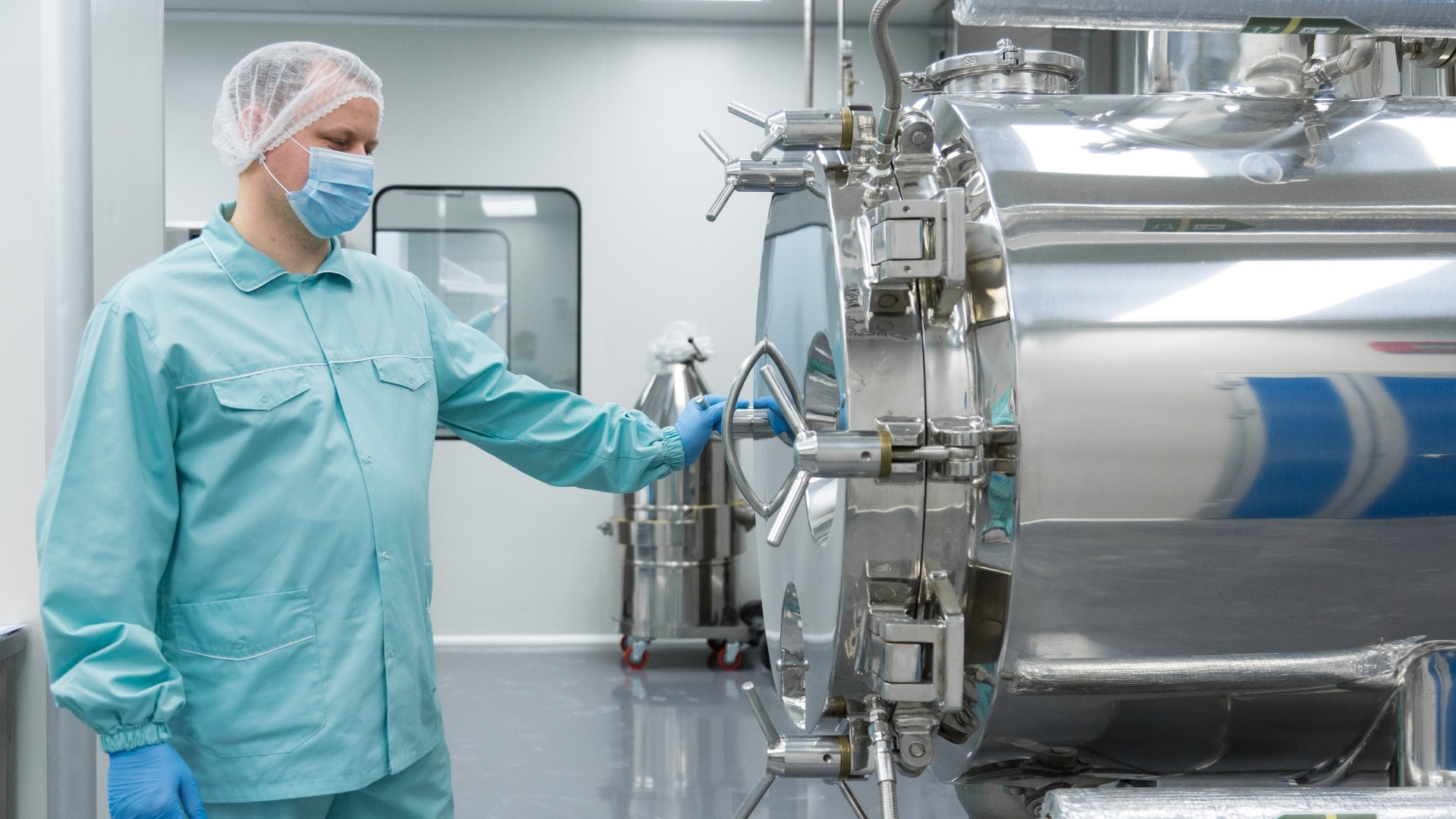
Drug substance manufacturing refers to the controlled development, scale-up planning, and GMP-aligned oversight of active pharmaceutical ingredient (API) production that defines a therapy’s clinical performance. It involves designing, scaling, and controlling chemical or biological processes to ensure that the API consistently meets quality, safety, and regulatory requirements.
Effective drug substance manufacturing ensures that each batch maintains critical quality attributes (CQAs) and critical process parameters (CPPs) while remaining compliant with global GMP standards.
Key components involved in drug substance manufacturing:
- Process Development: Define optimal synthesis, purification, and formulation processes to maintain CQAs and CPPs while ensuring reproducible performance.
- Scale-Up & Technology Transfer: Translate lab-scale or pilot processes into commercial manufacturing without compromising yield, stability, or product integrity.
- GMP-Compliant Production Oversight: Ensure manufacturing is executed under validated conditions in qualified partner facilities with adherence to US FDA, EMA, and WHO GMP requirements.
- Analytical Validation & Quality Control: Test for identity, potency, purity, and stability to ensure the API meets regulatory and quality expectations.
- Documentation & Regulatory Submission Support: Maintain complete, audit-ready batch records, validation reports, and data packages to support pre-approval inspections and ongoing compliance.
Drug Substance vs Drug Product Manufacturing: Key Differences
While both drug substance and drug product manufacturing are critical to bringing therapies to market, their objectives, processes, and regulatory requirements differ significantly.
For senior decision-makers and CDMO partners, understanding these differences is essential when planning development, scaling operations, or selecting outsourcing partners.
The table below highlights the key distinctions between drug substance manufacturing and drug product manufacturing:
| Feature | Drug Substance Manufacturing | Drug Product Manufacturing |
| Definition | Production of the active pharmaceutical ingredient (API) responsible for the therapeutic effect | Production of the final dosage form (tablet, injection, capsule) incorporating API and excipients |
| Primary Focus | Ensuring chemical/biological integrity, potency, purity, and stability of the API | Ensuring formulation performance, delivery mechanism, bioavailability, and patient acceptability |
| Process Complexity | Emphasises chemical synthesis, fermentation, purification, and quality control of the API | Involves blending, granulation, compression, sterilisation, filling, and packaging of the finished product |
| Regulatory Requirements | Strong focus on GMP for API, validation of synthesis, analytical characterisation, and traceability | GMP for finished dosage forms, labeling, packaging compliance, and batch release |
| Analytical Emphasis | Identity, potency, purity, stability under storage and transport conditions | Dose uniformity, dissolution, sterility (if applicable), and stability in the final form |
| Scale-Up Considerations | Lab-to-pilot-to-commercial production with preserved CQAs and CPPs | Process transfer from pilot to commercial scale, ensuring consistent performance in the final dosage form |
| Typical CDMO Role | Drug substance process development support, analytical validation, and regulatory documentation oversight for API programs | Formulation development, filling, packaging, quality release, and supply chain management |
By clearly differentiating drug substance manufacturing from drug product manufacturing, sponsors and CDMOs can ensure seamless technology transfer, maintain quality throughout the product lifecycle, and mitigate regulatory and supply chain risks.
Top 5 Strategic Importance of Drug Substance in Pharma Manufacturing
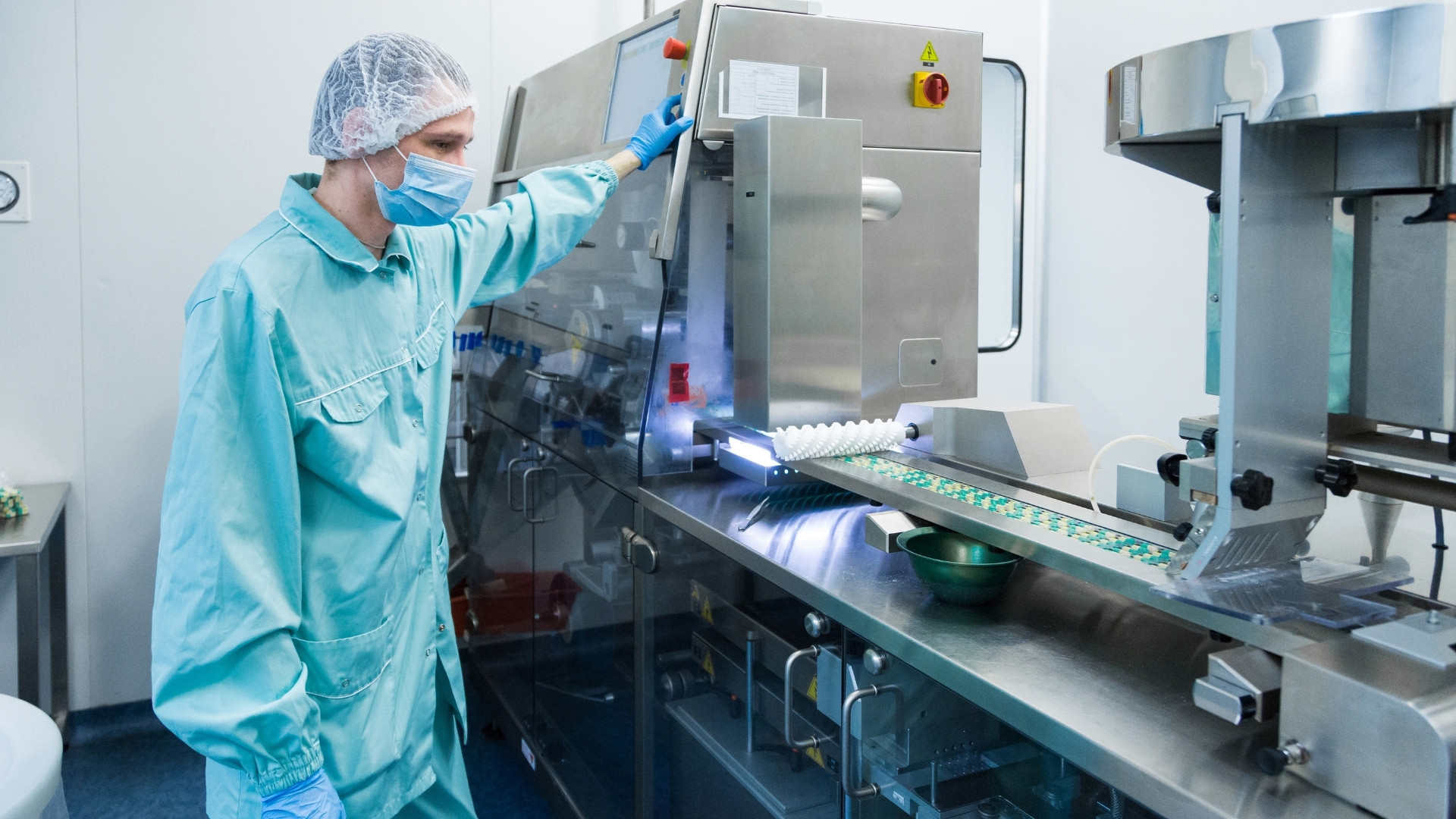
Robust drug substance strategies are crucial for expanding access to essential medicines globally.
The local-at-scale model enables cost-efficient development and GMP-aligned manufacturing oversight through qualified partners, while maintaining regulatory acceptance in highly regulated markets.
This approach directly supports UN Sustainable Development Goals, including Good Health and Well-Being (SDG 3) and Reduced Inequalities (SDG 10), by making modern therapies commercially viable beyond high-income regions.
Key reasons why robust drug substance manufacturing matters for sponsors and CDMOs
- Assured Product Quality and Consistency: Precision in synthesis, purification, and formulation ensures that critical quality attributes (CQAs) and critical process parameters (CPPs) are consistently met. This reduces batch variability and ensures reliable performance at every stage
- Regulatory Alignment and Audit Readiness: Processes executed under global GMP standards, including US FDA, EMA, and WHO, provide defensible data, complete documentation, and audit-ready records. This mitigates compliance risks during inspections and submissions
- Risk Reduction Across Scale-Up: Validated technology transfer from lab-scale to commercial-scale ensures process fidelity while preserving API integrity and avoiding costly redevelopment or supply interruptions
- Patient-Centric Supply Continuity: Optimised manufacturing processes enable predictable supply, supporting timely clinical trials and commercial launches where access and distribution challenges are heightened
- Strategic Market and Portfolio Advantage: Reliable drug substance production supports accelerated regulatory approvals, faster product commercialisation, and smoother lifecycle management. This allows sponsors to focus on innovation, expansion, and patient impact
By treating drug substance manufacturing as a strategic pillar rather than a routine operational step, sponsors and CDMOs can ensure scientific integrity, regulatory confidence, and sustainable global access, which are core priorities for modern pharma leadership
3 Major Key Steps in Drug Substance Manufacturing
Effective drug substance manufacturing requires more than executing protocols. Sponsors and CDMO partners must align on process control, quality, and scalability to ensure commercial readiness while mitigating regulatory and operational risks.
Below, we break down the key operational stages, their evaluation focus, and the strategic impact for development and scale-up.
1. Reaction and Production
Executive-Level Focus: Process kinetics, impurity pathway mapping, CPP/CQA definition
During this stage, understanding reaction behaviour, identifying critical process parameters (CPPs), and mapping impurities are essential for effective process oversight and transfer.
Impact: A Clear definition of CPPs and critical quality attributes (CQAs) ensures predictable yields, reduces batch-to-batch variability, and supports regulatory defensibility during inspections or submissions.
2. Purification
Executive-Level Focus: Yield reproducibility, method transferability, solvent logic, scalability
Purification strategies must reliably isolate the target molecule while ensuring solvent safety, method robustness, and scalability to clinical or commercial volumes.
Impact: Well-controlled purification minimises product loss, ensures reproducible quality, and facilitates smooth technology transfer across CDMO sites without redevelopment.
3. Isolation
Executive-Level Focus: Form/polymorph consistency, residual solvent discipline, supply continuity
The isolation step must be designed and controlled to ensure the drug substance achieves the desired physical form, purity, and stability profile. Maintaining residual solvent limits and polymorphic consistency is critical.
Impact: Consistent isolation practises prevent downstream variability, safeguard supply continuity, and strengthen regulatory confidence in final product quality.
Strategic Insight:
The maturity of these systems determines whether technology transfer is iterative or efficient. Sponsors benefit from CDMOs that integrate robust process knowledge, scalable operations, and regulatory alignment at every stage. This ensures that drug substance manufacturing delivers both scientific precision and operational predictability.
4 Key Technical and Regulatory Challenges in Drug Substance Manufacturing
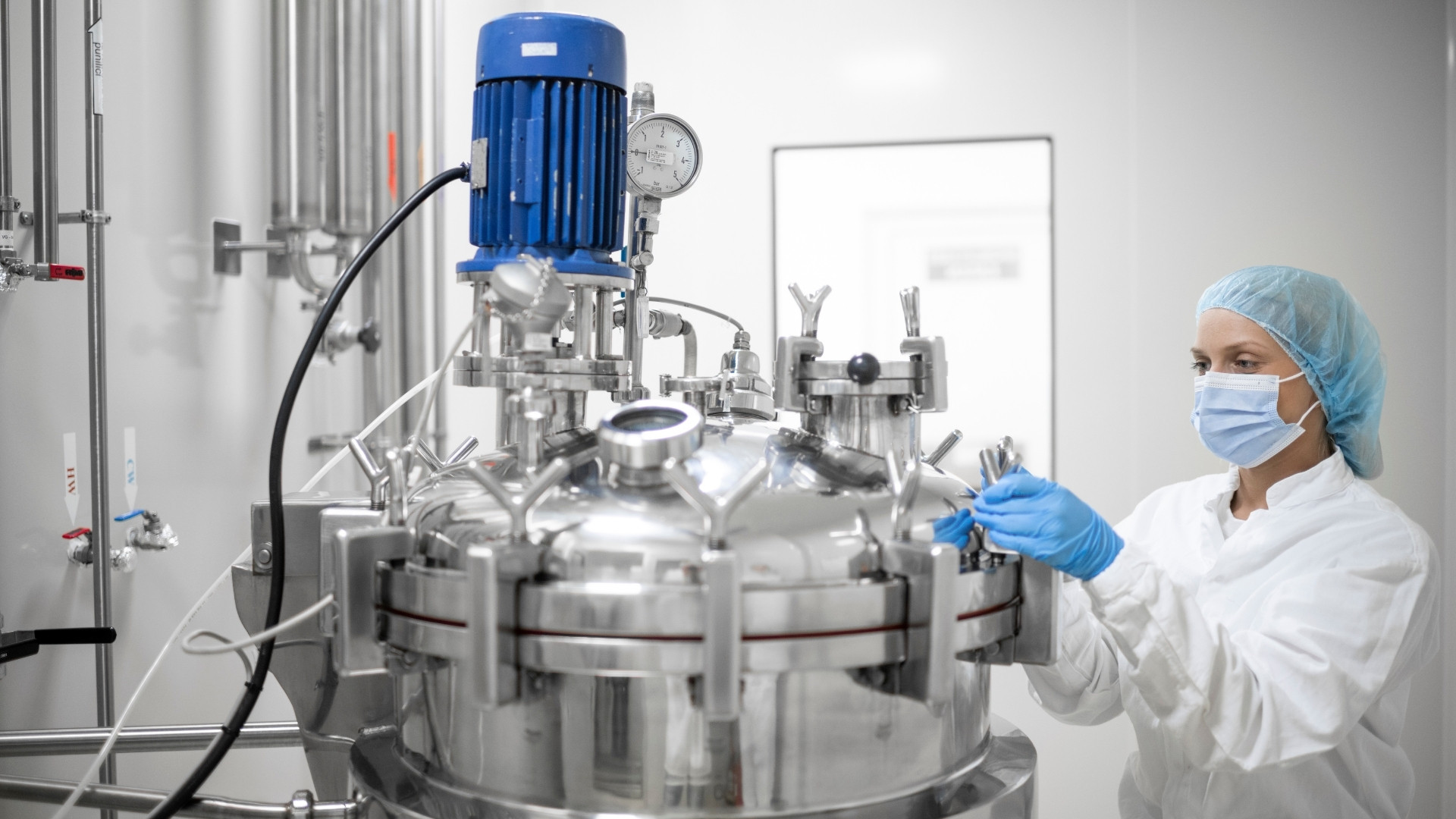
In drug substance manufacturing, technical and regulatory hurdles are not mere operational inconveniences; they directly influence approval timelines, process reliability, and global supply security. Sponsors evaluating CDMOs must recognise each challenge, its potential impact, and the proactive measures needed to mitigate risk.
Below, we outline the most critical considerations and how they affect sponsor decision-making.
1. Advanced Process Analytics and PAT Integration
Before adopting new analytical technologies, it is essential to understand how they influence process validation and regulatory readiness.
The Challenge: Integrating new process analytics or PAT can slow validation, create unclear control strategies, and complicate regulatory review.
Impact on Sponsors: Without proper data linkage, regulators may question the reliability of process control, risking delays in approval or additional inspection findings.
Solution: Implement stage-gated qualification frameworks with traceable CPPs and CQAs, ensuring each analytical step is documented and defensible.
2. Adoption of Continuous or Flow Manufacturing
As manufacturers transition from batch to continuous production, the implications for regulatory scrutiny and validation must be carefully considered.
The Challenge: Moving from batch to continuous or flow processes can create uncertainty if the comparability of processes and lifecycle validation are not entirely justified.
Impact on Sponsors: Regulators may require additional evidence to confirm that the new process produces equivalent quality, which could introduce approval delays.
Solution: CDMOs should provide clear comparability protocols, lifecycle validation data, and bridging studies demonstrating equivalence with traditional processes.
3. Scale Transitions During Tech Transfer
When scaling up production, slight deviations can become critical. Understanding these risks in advance allows sponsors to maintain compliance and avoid operational setbacks.
The Challenge: Scaling up from lab or pilot production to commercial batches often introduces deviations, CAPAs, and variability in critical process parameters.
Impact on Sponsors: Inconsistent scale-up documentation or unresolved deviations can lead to inspection observations or disruption in supply continuity.
Solution: Preserve reaction design logic, maintain detailed transfer protocols, and validate critical process steps across scales.
4. Integration of New Technologies
Introducing new manufacturing technologies requires both operational and regulatory foresight to ensure smooth adoption.
The Challenge: Introducing innovative manufacturing or automation technologies can increase submission uncertainty if documentation, SOPs, and validation are incomplete.
Impact on Sponsors: Misalignment with FDA, EMA, or MHRA expectations may result in regulatory questions or delays in product commercialisation.
Solution: Ensure complete, regulatory-aligned documentation, risk assessments, and method-validation evidence accompany technology integration.
Understanding these challenges before selecting a CDMO is critical to mitigating risk.
How CDMOs Address Drug Substance Manufacturing Challenges?
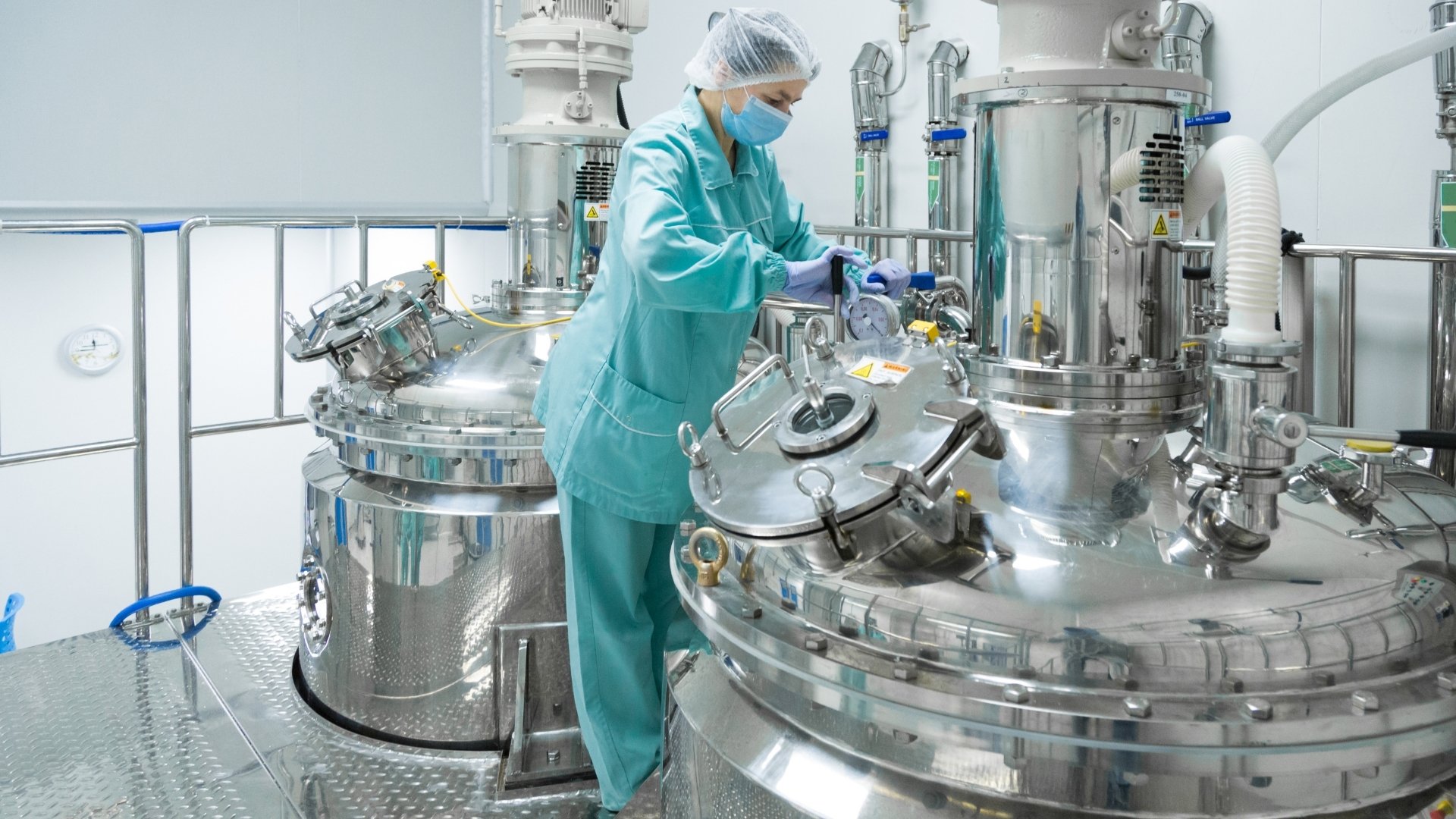
CDMOs deliver comprehensive solutions that combine technical expertise, regulatory alignment, and scalable infrastructure to tackle the complexities of drug substance manufacturing:
- Precision Process Optimisation: Expertise in synthesis, purification, and formulation ensures critical process parameters (CPPs) and critical quality attributes (CQAs) are consistently met.
- Seamless Scale-Up: Processes transition smoothly from lab to pilot, clinical, and commercial production without compromising product integrity.
- GMP-Ready Facilities: Operations comply with EU, US, and WHO GMP standards, providing full inspection readiness across multiple regions.
- End-to-End Analytical & Quality Support: Validation, stability testing, and batch release protocols ensure consistent product quality and regulatory compliance.
- Complete Documentation & Traceability: Audit-ready records and structured data packages support efficient regulatory submissions and inspections.
Partnering with a CDMO helps sponsors mitigate risks, streamline manufacturing, and accelerate time-to-market, all while maintaining regulatory compliance and ensuring supply continuity.
Top Innovations Shaping the Future of Drug Substance Manufacturing in 2026
Pharma leaders are seeking faster, cost-efficient, and reliable drug substance manufacturing without compromising quality or compliance. Across the pharmaceutical industry, CDMOs are increasingly evaluating continuous-flow chemistry, integrated analytics, and intensified processes to improve predictability and scalability in drug substance programs.
The table below highlights key innovations, their applications, and the impact they deliver:
| Innovation / Focus Area | Description | Impact on Drug Substance Manufacturing |
| Continuous-Flow Chemistry | Precise thermal control and consistent reaction kinetics. | Reduces variability, ensures reproducible quality, and strengthens inspection readiness. |
| Advanced Chromatographic Purification | Modern purification replaces high-loss classical methods. | Improves material recovery, lowers cost per gram, and maintains audit-ready documentation. |
| Integrated Upstream & Downstream Design | Aligns synthesis with isolation and purification. | Shortens timelines, accelerates submissions, and supports smooth tech transfer. |
| PAT-Linked Analytics (Inline/At-Line) | Real-time monitoring of critical process parameters. | Minimises deviations, improves predictability, and enhances inspection defensibility. |
| Strategic Operational Benefits | Combines technical innovation with business and regulatory objectives. | Ensures inspection predictability, optimises costs, stabilises supply, and enables accessible manufacturing. |
Why Is Process Intensification Critical for Modern Drug Substance Manufacturing?
Process intensification has become a strategic priority in modern drug substance manufacturing. As biologics, high-potency APIs, and complex molecules dominate pipelines, traditional batch methods often struggle to meet clinical and commercial demands efficiently.
Optimising manufacturing processes not only lowers costs but also strengthens regulatory readiness and supports timely patient access.
Why process intensification matters:
- Easy integration: Combines reaction, purification, and isolation steps into continuous, efficient workflows.
- Higher efficiency: Recirculation and recycling improve yields and reduce solvent and energy use.
- Flexible scale: Modular platforms enable smooth transitions from clinical to commercial production.
- Regulatory compliance: Produces traceable, GMP-ready data to meet FDA, EMA, and PIC/S expectations.
- Accelerated supply: Shorter cycle times support reliable, uninterrupted production and faster time-to-market.
By implementing these strategies, manufacturers can transform operational complexity into a controlled, efficient, and regulatory-aligned process.
DRK Research Solutions: Advancing Drug Substance Manufacturing
DRK does not support drug substance (API) manufacturing; however, it provides comprehensive downstream services, including drug product development and manufacturing.APIs/drug substances are sourced through qualified suppliers and approved vendor partners. DRK supports the drug development programs through process design, impurity strategy development, analytical validation, and structured oversight of synthesis and purification activities executed within qualified partner GMP facilities.
We at DRK Research Solutions support pharmaceutical companies through drug product development, analytical validation, and structured oversight of synthesis and purification activities executed within qualified partner GMP facilities.
- Comprehensive Development Support: From process design to technical transfer and analytical validation, every batch of drug product is consistent, traceable, and ready for scale-up.
- GMP-Compliant Manufacturing Across Geographies: Drug product manufacturing is executed within qualified EU-approved facilities in Europe and Asia, operating under EU- and US-aligned CGMP standards. DRK works with established manufacturing partners to ensure global regulatory compliance and cost-efficient production.
- Expertise in Complex and High-Value Molecules: We support hybrids, niche products and other high-value drug development and manufacturing programs through process oversight, analytical validation, and quality governance.
- Regulatory-Ready Documentation: Every project includes thorough inspection-ready data packages, validation records, and stability studies to support submissions worldwide.
- Adaptable Production Models: Flexible batch sizes ensure a smooth supply for both clinical trials and the commercial production of drug substances, without the need to switch vendors or processes.
With this integrated approach, DRK Research Solutions helps sponsors ensure consistent quality, regulatory compliance, and reliable global supply for drug development and manufacturing programs through coordinated CMO and manufacturing partner oversight.
Conclusion
For sponsors managing complex drug development programs, selecting the right CDMO partner determines regulatory confidence, supply continuity, and long-term portfolio value.
DRK Research Solutions supports drug developers through integrated development, technology transfer, GMP-aligned manufacturing oversight, and regulatory-ready documentation, ensuring scientific rigour and global access remain aligned throughout the product lifecycle.
Connect with DRK’s CDMO team to evaluate how your drug product strategy can remain compliant, scalable, and globally accessible.
FAQs
1. Why is drug substance manufacturing critical for pharmaceuticals?
The quality and consistency of the drug substance directly impact the safety, efficacy, and stability of the final drug product. Reliable drug substance manufacturing ensures predictable therapeutic performance and regulatory compliance.
2. What are the main regulatory requirements for drug substance manufacturing?
Manufacturers must comply with CGMP regulations from agencies like the FDA, EMA, and WHO. Key expectations include validated processes, impurity control, batch-to-batch consistency, robust documentation, and quality assurance systems.
3. What challenges are common in drug substance manufacturing?
Challenges include controlling impurities, scaling up production, maintaining yield and purity, and managing complex chemical reactions. Selecting an experienced CDMO and qualified manufacturing partners can help mitigate these risks.
4. How does process validation apply to drug substance manufacturing?
Process validation ensures that every manufacturing step consistently produces a drug substance that meets predefined quality criteria. It includes equipment qualification, in-process controls, and final product testing.
5. What role does technology play in drug substance manufacturing?
Advanced technologies, such as continuous manufacturing, automated monitoring, and analytical testing, improve efficiency, reduce variability, and support compliance with regulatory expectations.
6. How do manufacturers ensure the purity of drug substances?
Purity is maintained through careful selection of raw materials, optimised synthesis processes, purification methods, and rigorous analytical testing to detect and control impurities.