
Reaction optimisation services play a critical role in pharmaceutical development by improving process robustness, regulatory readiness, and manufacturing predictability. In a tightly regulated environment, optimised reactions are essential for achieving consistent yields, controlled impurity profiles, and reliable performance from lab scale to commercial production.
For pharmaceutical developers and CDMO partners, reaction optimisation goes beyond laboratory efficiency. It supports informed route selection, impurity control, and a smooth transition to GMP manufacturing. Inadequate optimisation can lead to scale-up failures, regulatory delays, and costly redevelopment.
This article outlines why reaction optimisation services are strategically important, how they support predictable scale-up, and what it takes to generate scalable, audit-ready data across the product lifecycle.
Key Takeaways
- Reaction optimisation services are foundational to achieving consistent yield, impurity control, and reproducibility across laboratory, pilot, and commercial manufacturing scales.
- Early, data-driven optimisation reduces scale-up failures by defining critical process parameters (CPPs), acceptable operating ranges, and scale-sensitive risks before GMP execution.
- Modern optimisation approaches combine DoE, kinetic modelling, automation, and advanced data-driven analysis to deliver predictable processes supported by traceable, inspection-ready documentation rather than lab-specific solutions.
- Optimised reactions directly support regulatory readiness by generating Quality by Design (QbD)-aligned data suitable for submissions, inspections, and technology transfer.
- In CDMO-led programmes, reaction optimisation improves manufacturing predictability, shortens timelines, and minimises costly late-stage redevelopment.
What is Reaction Optimisation in Drug Manufacturing?
Reaction optimisation is the systematic process of refining chemical or biological reactions to achieve maximum efficiency, yield, and quality in drug production. It involves adjusting reaction conditions such as temperature, pressure, catalysts, solvents, and time to ensure reproducible results while minimising impurities.
Key aspects of reaction optimisation include:
- Yield Maximisation: Ensuring the highest possible product output from raw materials.
- Impurity Control: Reducing unwanted by-products to meet stringent regulatory standards.
- Process Consistency: Achieving reproducible results across laboratory, pilot, and commercial scales.
- Cost Efficiency: Optimising resource use to reduce waste and minimise production costs.
- Scalability: Designing reactions that can reliably transfer from bench-scale experiments to full-scale manufacturing.
Effective reaction optimisation is the foundation for robust drug manufacturing, supporting both development speed and regulatory compliance.
Why Reaction Optimisation Is Critical in Drug Manufacturing?
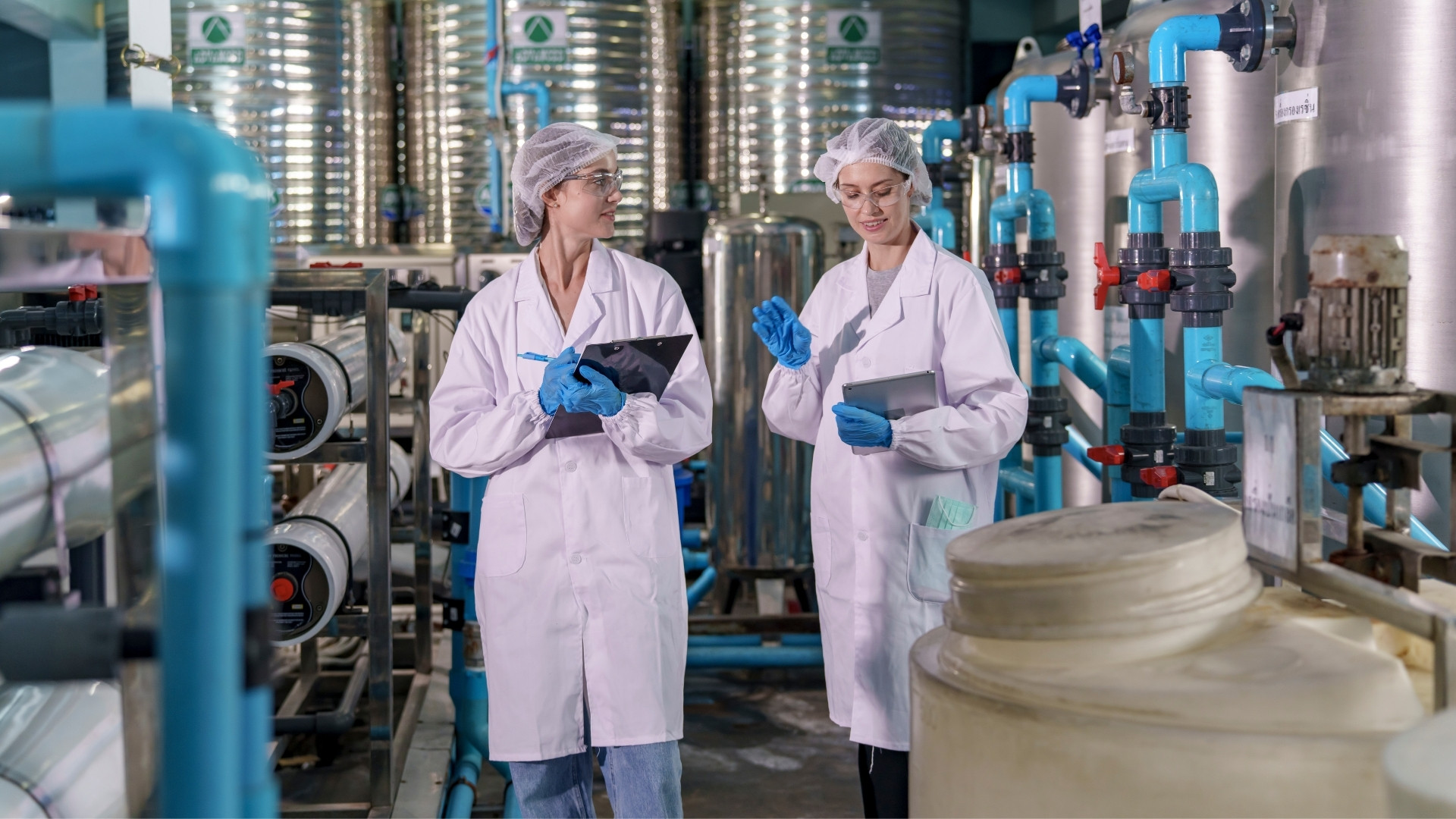
In pharmaceutical production, even minor variations in reaction conditions can have major consequences. Reaction optimisation is not just a laboratory task; it is a strategic lever for ensuring product quality, regulatory acceptance, and commercial success.
Key reasons why it matters:
- Regulatory Compliance: Optimised reactions produce data and processes that withstand GMP inspections and support regulatory submissions.
- Batch Reproducibility: Controlled reactions reduce variability, ensuring each batch meets predefined quality specifications.
- Risk Mitigation: Early identification and resolution of reaction inefficiencies prevent scale-up failures and supply disruptions.
- Support for Quality by Design (QbD): Reaction optimisation generates critical process knowledge for designing robust, regulatory-aligned manufacturing strategies.
- Adaptation for Complex Molecules: As drug portfolios evolve toward novel or niche compounds, optimised reactions are essential for handling sensitive or high-value APIs.
By integrating reaction optimisation into development workflows, CDMOs ensure reliable, scalable, and high-quality manufacturing outcomes while minimising regulatory and operational risks.
Where Reaction Optimisation Fits Within CDMO-Led Development Programmes
In a CDMO-led development programme, reaction optimisation is not a standalone step, it is woven throughout the entire product lifecycle. By integrating optimisation early and continuously, CDMOs can anticipate challenges, improve process robustness, and ensure smoother transitions from laboratory research to commercial manufacturing.
Reaction optimisation touches multiple stages:
- Early Development & Route Selection: Identifies the most efficient, cost-effective, and scalable synthetic pathways.
- Process Feasibility Assessment: Flags potential scale-up limitations, impurity formation risks, or resource bottlenecks before GMP manufacturing.
- Formulation & Manufacturing Alignment: Ensures the reaction conditions are compatible with downstream processing, formulation stability, and quality requirements.
- Technology Transfer Support: Facilitates reproducible and controlled reactions when moving from pilot-scale to full commercial production.
- Cost & Resource Efficiency: Optimises reagent usage, energy input, and waste reduction while maintaining quality standards.
By embedding reaction optimisation throughout development, CDMOs reduce the risk of late-stage modifications, accelerate timelines, and deliver predictable, high-quality outputs ready for commercial supply.
10 Advanced Strategies Used in Reaction Optimisation Services

Modern reaction optimisation services combine data-driven methods, advanced process control, and scalability-focused design to deliver reactions that are not only efficient in the lab but also reliable at commercial scale.
The following advanced strategies illustrate how optimisation is implemented today to improve robustness, control impurities, and enable predictable scale-up in regulated manufacturing environments.
1. Using Bayesian optimisation for Smarter Experiment Design
Bayesian optimisation uses probabilistic modelling to guide experimental choices toward conditions most likely to improve yield, selectivity, or impurity control. Rather than testing every variable combination, this approach prioritises experiments that deliver the highest information value.
Manufacturing impact:
- Reduces experimental load while accelerating decision-making
- Identifies conditions that remain stable during scale-up, not just lab optima
- Supports compressed development timelines and limited material availability
This approach is especially effective for reactions with complex variable interactions, such as catalyst-driven transformations.
2. Applying High-Pressure Chemistry for Faster Rates and Better Selectivity
High-pressure conditions influence reaction kinetics by increasing molecular interactions and stabilising high-energy transition states. For selected reactions, pressure can significantly improve conversion without raising temperature.
Manufacturing impact:
- Improves reaction rates while limiting thermal degradation
- Enables cleaner selectivity for sensitive intermediates
- Expands viable reaction pathways for hydrogenations and cycloadditions
When paired with proper safety design and equipment qualification, high-pressure chemistry becomes a scalable production tool rather than a lab-only technique.
3. Incorporating Design of Experiments (DoE) for Systematic Parameter Mapping
Design of Experiments (DoE) provides a statistical framework to evaluate how multiple parameters interact simultaneously. Unlike one-variable testing, DoE reveals interdependencies that directly affect reproducibility and impurity formation.
Manufacturing impact:
- Defines critical process parameters (CPPs) and acceptable operating ranges
- Generates data aligned with Quality by Design (QbD) expectations
- Reduces risk during regulatory review and technology transfer
DoE-driven optimisation is essential for processes requiring consistent performance across scales and sites.
4. Quantifying Reaction Kinetics for Predictive Process Control
Kinetic studies explain how reaction rates respond to concentration, temperature, and mixing conditions. This knowledge allows teams to predict behaviour as reactor size, heat transfer, and mass transfer change.
Manufacturing impact:
- Prevents accumulation of unstable intermediates
- Improves reactor productivity and cycle time control
- Supports informed decisions between batch and continuous processing
Kinetic modelling reduces late-stage surprises during pilot and commercial manufacturing.
5. Embracing High-Throughput Experimentation (HTE) for Rapid Screening
High-throughput experimentation enables parallel testing of catalysts, solvents, additives, and ratios at the micro-scale. This approach accelerates early-stage optimisation while conserving materials.
Manufacturing impact:
- Shortens development timelines without sacrificing data quality
- Eliminates non-scalable conditions early
- Generates structured datasets suitable for statistical and AI-driven analysis
HTE is widely used for coupling reactions and heterocycle formation where rapid convergence is critical.
6. Pursuing Multiobjective Optimisation for Yield, Selectivity, and Purity
Pharmaceutical manufacturing rarely optimises a single parameter. Yield, impurity control, downstream processability, and cost must be balanced simultaneously.
Manufacturing impact:
- Visualises trade-offs between competing objectives
- Defines robust operating spaces rather than single-point conditions
- Improves consistency across variable manufacturing environments
This approach aligns optimisation outcomes with regulatory and commercial realities.
7. Integrating Automated Workflows with Real-Time Analytics
Automation paired with inline or online analytics enables continuous monitoring of reaction performance. Immediate feedback allows rapid adjustment before deviations escalate.
Manufacturing impact:
- Reduces operator-dependent variability
- Improves control for reactions with narrow operating windows
- Produces high-integrity datasets for validation and audits
Automation strengthens both process reliability and documentation readiness.
8. Adopting Machine Learning Frameworks for Parallel Scalability
Data-driven modelling integrates results from DoE, HTE, kinetics, and analytical studies to predict new experimental conditions with increasing accuracy. Models improve as datasets expand.
Manufacturing impact:
- Accelerates development under uncertainty
- Reduces experimental repetition
- Supports scalable process design across multiple objectives
These frameworks enhance decision quality without increasing experimental burden.
9. Utilising Flow Chemistry for Continuous Precision Control
Where appropriate, flow-based processing offers improved control over mixing, temperature, and residence time compared to traditional batch operations.
Manufacturing impact:
- Enhances control for exothermic or hazardous reactions
- Improves scalability and consistency
- Reduces batch-to-batch variability
Flow systems are particularly effective for alkylations and C–H functionalisation reactions.
10. Focusing on Scalability and Sustainability from the Start
Early optimisation decisions directly influence long-term manufacturing efficiency, regulatory acceptance, and environmental impact. Scalability and sustainability must be embedded from day one.
Manufacturing impact:
- Improves solvent efficiency and waste reduction
- Aligns processes with ESG expectations and long-term commercial sustainability goals.
- Ensures lab-scale decisions remain commercially viable
optimisation that anticipates real-world manufacturing constraints delivers lasting value beyond development.
How Reaction Optimisation Improves Predictability in CDMO Manufacturing Programmes?

In CDMO-led manufacturing programmes, predictability is the difference between smooth scale-up and costly redevelopment. Reaction optimisation provides a technical foundation that allows processes to move from development to GMP manufacturing with confidence, consistency, and regulatory readiness.
By defining robust operating ranges rather than narrow laboratory optima, reaction optimisation minimises variability as processes transition across scales, sites, and equipment. This ensures that manufacturing performance remains stable under real-world GMP conditions.
In practical CDMO execution, optimised reactions deliver:
- Reduced technology transfer risk through clearly defined critical process parameters and proven acceptable ranges
- Consistent impurity profiles across development, pilot, and commercial batches
- Improved batch-to-batch reproducibility, even as scale, equipment, or site changes occur
- Stronger alignment with Quality by Design (QbD) expectations, supporting regulatory submissions and inspections
- Better long-term cost control by avoiding late-stage process changes and yield losses
For sponsors developing complex or niche products, these outcomes translate directly into faster timelines, fewer regulatory questions, and reliable commercial supply.
6 Ways Reaction Optimisation Supports Technology Transfer and GMP Manufacturing
Successful technology transfer depends on more than replicating laboratory conditions a larger scale. It requires a deep, data-backed understanding of how a reaction behaves as equipment, batch size, and operating environments change.
When optimisation is aligned with scale-up and compliance expectations, it becomes a direct enabler of reliable technology transfer and reproducible GMP manufacturing.
The following table highlights the key reaction optimisation elements that support this transition and their impact on commercial-scale operations.
| Reaction optimisation Enabler | Role During Technology Transfer | Impact on GMP Manufacturing |
| Defined Critical Process Parameters (CPPs) | Establishes which variables must remain controlled during scale-up and site transfer | Reduces batch variability and prevents out-of-spec results under GMP conditions |
| Proven Acceptable Ranges (DoE-Based) | Confirms operating flexibility across equipment, scale, and process conditions | Enables robust manufacturing without frequent deviations or change controls |
| Kinetic Modelling and Reaction Order Data | Predicts scale-dependent behaviour such as heat release, conversion rates, and intermediate stability | Prevents scale-up failures, runaway reactions, and impurity spikes |
| Scale-Relevant Experimental Data | Aligns lab development with pilot and commercial reactor limitations | Improves reproducibility across batches and manufacturing sites |
| GMP-Ready Development Data Packages | Supports clear, traceable knowledge transfer to manufacturing teams | Enables audit-ready documentation and smoother regulatory inspections |
| Integrated Process Understanding | Reduces reliance on tacit knowledge during handover | Ensures consistent execution across operators, shifts, and facilities |
How DRK Research Solutions Ensures Efficient Drug Manufacturing with Reaction Optimisation Services?
DRK Research Solutions integrates reaction optimisation activities within its broader CDMO development and downstream drug product manufacturing framework to support pharmaceutical development, scale-up, and GMP manufacturing. DRK does not manufacture drug substances (APIs); APIs are sourced through qualified suppliers and approved vendor partners
- Comprehensive Reaction Evaluation: Systematic optimisation of temperature, pressure, catalysts, solvents, and timing ensures reproducible yields, controlled impurity profiles, and efficient resource use.
- GMP Manufacturing Across Multiple Sites: DRK works with EU-approved manufacturing facilities in Europe and Asia that follow EU- and US-aligned CGMP standards, ensuring regulatory compliance and consistent quality across regions.
- Expertise with Complex Molecules: Applicable to heat- or moisture-sensitive drug substances sourced from qualified suppliers, as well as specialised dosage forms requiring precise reaction control and scale-up strategies.
- Regulatory-Ready Documentation: Structured, audit-ready data packages support technology transfer, regulatory submissions, and inspections.
- Flexible Optimisation Options: Tailored experimental designs and process configurations accommodate both early-stage development and commercial manufacturing without workflow disruptions.
By embedding reaction optimisation services across the product lifecycle, DRK Research Solutions helps sponsors achieve predictable manufacturing, mitigate scale-up risks, and ensure regulatory-compliant, high-quality drug supply.
Conclusion
Robust reaction optimisation services form the technical aspect of successful drug manufacturing programmes. By integrating statistical design, kinetic insight, automation, machine learning, and scalable processing technologies, CDMOs can transform reaction optimisation into a predictable, audit-ready capability rather than a development bottleneck.
For drug developers targeting regulated markets, DRK Research Solutions supports downstream drug product development and manufacturing, working with qualified API suppliers and EU-approved manufacturing facilities in Europe and Asia to ensure consistent quality, regulatory confidence, and uninterrupted supply across the product lifecycle.
Speak with DRK Research Solutions about integrating reaction optimisation into your product development and GMP manufacturing strategy.
FAQs
1. What are reaction optimisation services in pharmaceutical manufacturing?
Reaction optimisation services involve systematically improving chemical reactions to achieve consistent yield, selectivity, purity, and scalability. These services support reliable process development and ensure reactions translate effectively from laboratory studies to GMP manufacturing.
2. Why are reaction optimisation services important for scale-up?
Reactions that perform well at small scale often behave differently during scale-up due to changes in heat transfer, mixing, and kinetics. Reaction optimisation services identify scale-sensitive parameters early, reducing the risk of batch failures and redevelopment.
3. How do reaction optimisation services support regulatory submissions?
Optimised reactions generate structured, reproducible data aligned with Quality by Design (QbD) expectations. This data supports defined critical process parameters, proven acceptable ranges, and impurity control strategies required for regulatory filings.
4. What techniques are commonly used in reaction optimisation services?
Common techniques include Design of Experiments (DoE), kinetic modelling, high-throughput experimentation, machine learning guided optimisation, and flow chemistry. These approaches help balance yield, purity, robustness, and manufacturability.
5. When should reaction optimisation be performed during drug development?
Reaction optimisation is most effective when applied early in development but continues through scale-up and technology transfer. Early optimisation reduces late-stage risk, while later-stage refinement ensures GMP readiness and long-term manufacturing stability.