
Stability chambers testing has become a core pillar of pharmaceutical development, playing a direct role in defining shelf life, securing regulatory approval, and supporting long-term commercial success. In today’s globally regulated environment, generating reliable stability data is essential to demonstrate that a drug product remains safe, effective, and compliant throughout storage and distribution.
For pharmaceutical developers and CDMO partners, stability chamber testing goes far beyond a regulatory requirement. It functions as a critical decision-support tool that guides formulation selection, packaging choices, scale-up planning, and lifecycle management across multiple markets. Inconsistent or incomplete stability data can introduce delays, trigger rework, or place market authorisation timelines at risk.
This blog explains why stability chamber testing is strategically important, how it influences development and commercial outcomes, and the key considerations for generating regulator-aligned, reproducible stability data that supports confident decision-making across the product lifecycle.
Key Takeaways
- Stability chambers testing is essential for confirming product quality, safety, and performance throughout the entire shelf life, from early development to commercial supply.
- Well-controlled stability studies support informed decisions on formulation design, packaging selection, storage conditions, and lifecycle planning across global markets.
- Proper chamber selection, validated protocols, and continuous environmental monitoring ensure reproducible, audit-ready data suitable for regulatory submissions worldwide.
- Stability chambers testing plays a strategic role in scale-up, technology transfer, and long-term supply continuity by confirming consistent product behaviour across manufacturing stages.
- When executed with regulatory-aligned standards and robust documentation, stability testing becomes a decision-making asset that strengthens regulatory confidence and commercial readiness.
Stability Chamber Testing: Practical Considerations
Stability chamber testing is a key part of pharmaceutical development that examines how a drug product performs over time under controlled conditions, such as temperature, humidity, and light. It ensures that the product remains safe, effective, and of high quality throughout its shelf life.
In practice, stability chambers are used to generate longitudinal data on potency, appearance, and dissolution under defined environmental conditions to support shelf-life and storage decisions. The results help determine proper storage instructions, shelf life, and any necessary formulation adjustments before the product reaches patients.
Reliable stability testing reduces technical and regulatory risk during scale-up, manufacturing, and global submissions, while improving confidence in long-term supply planning.
6 Key Advantages of Stability Chambers Testing for Reliable Drug Development

Stability chambers testing helps ensure medicines stay safe, effective, and high-quality throughout their shelf life. By spotting potential problems early, it makes development easier and more reliable. This brings several important benefits:
1. Accurate and Reproducible Data: High-precision stability chamber testing generates reliable datasets, enabling confident development and regulatory decisions.
2. Reduced Risk of Recalls and Market Failures: Identifying stability risks early helps prevent costly recalls, reformulations, and post-launch compliance issues.
3. Global Regulatory Alignment: Well-designed stability programmes ensure compliance with ICH, FDA, EMA, and other international guidelines, simplifying multi-region submissions and consistent labelling.
4. Optimised Shelf-Life Determination: Testing allows scientifically justified expiration dates, ensuring product effectiveness and safety throughout its lifecycle.
5. Support for Complex Molecules and Formulations: Advanced chamber testing accommodates heat-sensitive, moisture-sensitive, and high-value APIs or specialised dosage forms, enabling precise evaluation of challenging compounds.
6. Cost-Efficient Product Development: Early detection of stability issues reduces material waste, limits reformulation efforts, and streamlines manufacturing for clinical and commercial supply.
How Stability Chamber Testing Drives Efficient and Reliable Drug Development?
Beyond ensuring safety and regulatory alignment, stability chamber testing plays a critical role in streamlining pharmaceutical development and manufacturing. Key contributions include:
- Formulation Optimisation: Helps identify the most stable excipients, solvents, and drug combinations early, reducing trial-and-error cycles.
- Packaging Evaluation: Assesses how different container-closure systems (bottles, blister packs, vials) affect product stability under real-world conditions.
- Environmental Stress Analysis: Measures product tolerance to humidity, light, and temperature extremes, guiding robust design for challenging markets.
- Process Validation Support: Provides empirical stability data to refine manufacturing parameters and improve reproducibility at scale.
- Technology Transfer Confidence: Ensures formulations remain stable when transferred from lab to pilot or commercial-scale production.
- Product Lifecycle Insights: Supplies data for reformulations, line extensions, or new dosage forms while minimising material loss and development costs.
Top 3 Essential Conditions to Ensure Reliable Stability Chamber Testing
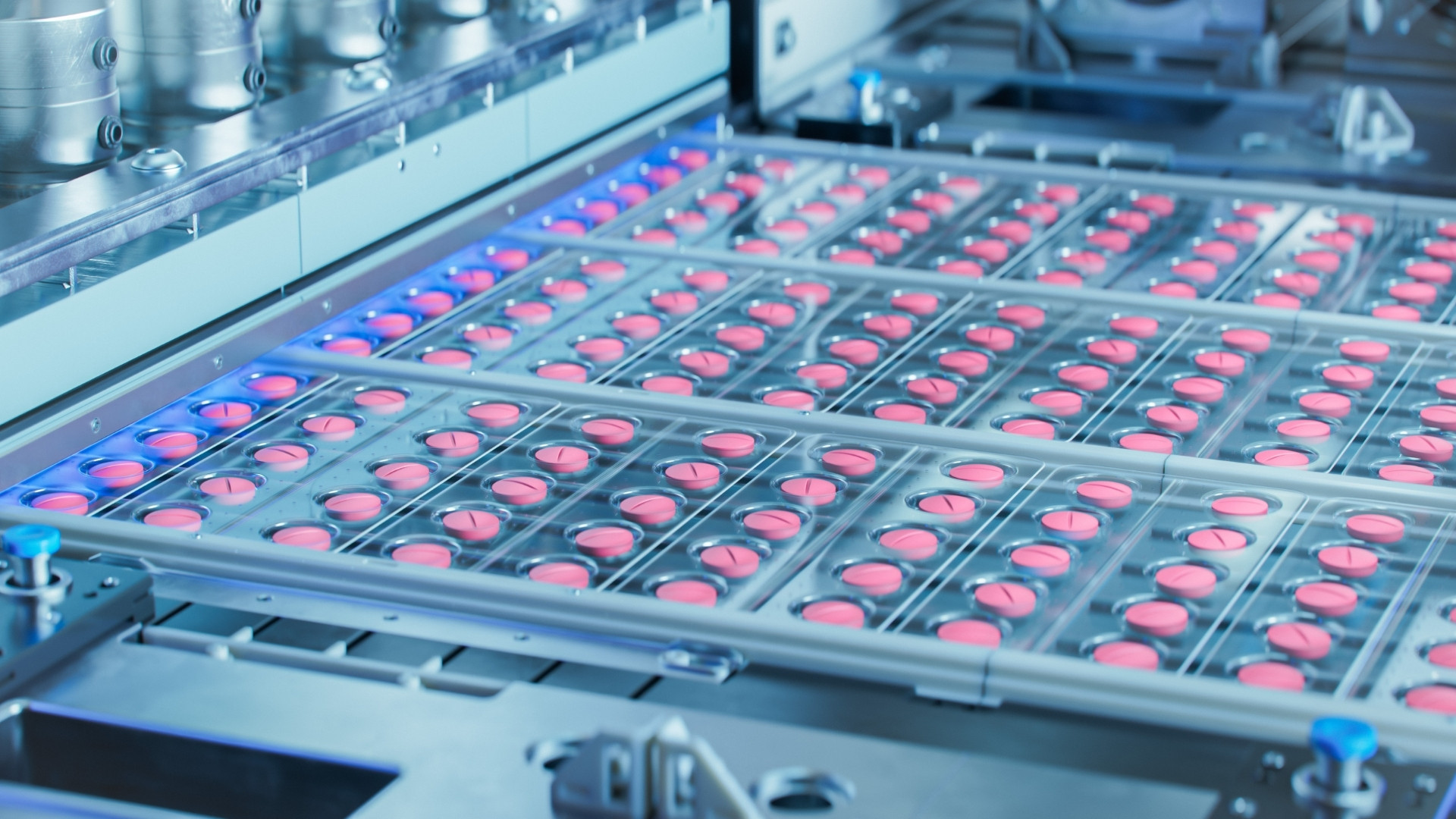
Stability chamber testing depends on precisely controlled conditions to ensure reliable and reproducible results. These conditions simulate the environmental stresses a product may face during storage, transport, and handling, enabling confident formulation, packaging, and shelf-life decisions.
1. Controlled Environmental Parameters
All stability studies require strict regulation of environmental factors such as temperature, humidity, and exposure variables throughout the study period. Uncontrolled deviations can compromise data integrity, delay submissions, or require formal investigation and impact assessment.
Key Requirements:
- Chamber qualification and calibration must be performed before study initiation.
- Continuous monitoring with audit-ready electronic logs is essential.
- Deviations are documented and assessed to maintain regulatory compliance.
2. Temperature and Humidity Settings
Temperature and relative humidity (RH) are critical factors that influence drug stability. Settings are typically defined according to ICH guidelines and product-specific risk profiles.
Common Testing Conditions:
- Long-Term: 25°C / 60% RH
- Intermediate: 30°C / 65% RH
- Accelerated: 40°C / 75% RH
Best Practices:
- Ensure uniformity across all storage positions within the chamber.
- Validate stability data at predetermined timepoints to confirm consistency.
- Support conditions with detailed, audit-ready logs to meet regulatory expectations.
3. UV and Visible Light Exposure (Photostability Testing)
Certain products are sensitive to light and require dedicated photostability studies. These tests simulate exposure to UV and visible light, following ICH Q1B requirements, to identify potential degradation pathways.
Typical Applications:
- Injectable formulations
- Biologics and protein-based therapies
- Light-sensitive active pharmaceutical ingredients (APIs) or excipients
Implementation Considerations:
- Use calibrated light sources to replicate realistic exposure conditions.
- Monitor and document photodegradation trends to inform packaging and labelling.
- Integrate findings into formulation optimisation and risk mitigation strategies.
4 Core Steps for Stability Chamber Testing Protocol Setup

Designing a robust stability testing protocol ensures your product performs consistently from development through commercialisation. A well-planned protocol reduces delays, limits rework, and strengthens regulatory confidence. Key elements include:
1. Product Preparation and Study Design
This step establishes the scientific and operational foundation of the stability programme.
- Product attributes are clearly defined, including dosage form, packaging configuration, and intended markets, to determine the study scope.
- Representative batches are selected to reflect future manufacturing conditions and ensure meaningful long-term and accelerated data.
- Pull-point intervals are established in alignment with development timelines and submission planning needs.
- Analytical methods and acceptance criteria are specified using validated approaches for potency, degradation, and physical characteristics.
- Early cross-functional alignment is achieved across formulation, analytical, and regulatory teams to reduce protocol changes later in development.
Impact: This step supports generation of reliable, comparable data while minimising the need for repeated studies or protocol revisions.
2. Selection of the Appropriate Chamber Type
Selecting the right stability testing chamber is a critical step in study planning. Different chamber types are designed to support specific development stages, batch sizes, and study objectives.
Using the appropriate chamber ensures environmental consistency, avoids capacity constraints, and supports reliable data generation throughout the product lifecycle.
The table below outlines the primary types of stability testing chambers and their typical applications.
| Chamber Type | Primary Use Case | Strategic Role in Development |
| Reach-In Chambers | Early development, formulation studies, and clinical supply preparation | Enable precise environmental control for small batches and pilot-scale programmes |
| Walk-In Chambers | Late-stage development, commercial stability, post-approval studies | Support large batch volumes and multiple concurrent stability programmes |
| Photostability Chambers | Light sensitivity evaluation | Assess UV and visible light impact to inform labelling and packaging decisions |
| Accelerated Stability Chambers | Stress testing and early risk assessment | Generate early degradation insights to support shelf-life projections and formulation refinement |
Impact: Appropriate chamber selection prevents capacity limitations, sampling delays, and environmental variability during stability testing.
3. Determining Testing Parameters
Testing conditions are defined to balance regulatory expectations with product-specific risk factors.
- Temperature, humidity, and light exposure conditions are established in accordance with applicable guidelines and target market requirements.
- Product-specific risk assessments are incorporated to address sensitivity to heat, moisture, or formulation complexity.
- Protocols are designed with controlled flexibility, allowing documented adjustments without compromising data continuity or traceability.
Impact: This step ensures stability data remains scientifically relevant and suitable for informed development and lifecycle decisions.
4. Continuous Monitoring and Documentation
Ongoing oversight safeguards data integrity throughout the study lifecycle.
- Stability chambers are continuously monitored to confirm that environmental conditions remain within defined limits.
- All deviations are documented and assessed with appropriate corrective actions clearly recorded.
- Study data and logs are maintained in a structured format to support traceability and long-term data use.
Impact: Consistent monitoring and documentation result in audit-ready datasets that support future development planning and regulatory use.
Common Challenges in Stability Chamber Testing and Their Practical Solutions

While stability chamber testing is essential for reliable drug development, several operational and scientific challenges can affect data quality and timelines. Addressing these issues through structured planning and control measures helps maintain study integrity and avoid downstream delays.
1. Environmental Variability and Chamber Performance
Challenge: Even small fluctuations in temperature or humidity can compromise long-term stability data and trigger study deviations.
Solution: Implement routine chamber qualification, scheduled calibration, and continuous environmental monitoring with automated alerts. Regular performance trending ensures conditions remain within validated limits throughout the study duration.
2. Data Gaps During Scale-Up Transitions
Challenge: Stability behaviour observed at early development scale may not reflect performance during pilot or commercial manufacturing.
Solution: Design stability studies using representative batch sizes, packaging configurations, and manufacturing conditions aligned with future scale-up plans. This approach minimises surprises during late-stage development.
3. Protocol Deviations and Change Management
Challenge: Changes in formulation, packaging, or target markets during an ongoing study can disrupt data continuity.
Solution: Build controlled flexibility into protocols with predefined change management pathways. Document all adjustments through formal change control to preserve traceability and regulatory acceptance.
4. Capacity Constraints and Scheduling Conflicts
Challenge: Limited chamber availability or poor scheduling can delay pull points and compromise study timelines.
Solution: Plan chamber capacity early based on development milestones and portfolio needs. Selecting the appropriate chamber type and reserving capacity in advance prevents bottlenecks during critical phases.
5. Complex Degradation Interpretation
Challenge: Multi-factor degradation patterns influenced by light, moisture, or formulation interactions can be difficult to interpret.
Solution: Use integrated analytical strategies and trend analysis to correlate environmental conditions with degradation behaviour. Early identification of degradation pathways supports targeted formulation or packaging optimisation.
By pairing each challenge with a defined solution, stability chamber testing becomes a controlled, predictable process that supports informed decision-making throughout development rather than a source of uncertainty or delay.
Regulatory Compliance and Quality Standards for Effective Stability Chamber Testing
Ensuring compliance is not just a procedural step, it safeguards product performance, supports regulatory submissions, and builds confidence in both clinical and commercial supply chains.
The following table summarises the key regulatory requirements and standards that guide stability chamber testing and their practical impact on study design and execution:
| Area of Compliance | Standard | Role in Stability Chamber Testing |
| General Stability Testing | ICH Q1A(R2) | Defines study design, storage conditions, testing frequency, and data expectations for drug substances and drug products |
| Photostability Testing | ICH Q1B | Establishes requirements for assessing sensitivity to UV and visible light exposure and supports labelling and packaging decisions |
| Quality Systems | Good Manufacturing Practice (GMP) | Ensures controlled execution, documentation, deviation management, and audit readiness throughout stability studies |
| Data Integrity & Process Control | ISO 9001 (where applicable) | Supports consistent quality management practises, document control, and continuous improvement across stability operations |
| Regulatory Oversight | FDA, EMA, WHO Expectations | Emphasises traceable data, validated chambers, continuous monitoring, and inspection-ready documentation |
Following these regulatory standards at every stage of stability chamber testing helps ensure consistency, reliability, and scientific rigour from development through commercial release. This alignment also minimises delays, reduces risk of non-compliance, and strengthens global market access.
How DRK Research Solutions Ensures Drug Quality with Stability Chambers Testing?
DRK Research Solutions does not manufacture drug substances (APIs). APIs are sourced through qualified suppliers and approved vendor partners. We provide comprehensive downstream services, including drug product development and manufacturing.
- Comprehensive Stability Evaluation: Rigorous environmental control, temperature and humidity mapping, and analytical method validation ensure reproducible, robust stability results supporting manufacturing and shelf-life determination.
- GMP Manufacturing Across Multiple Sites: DRK works with EU-approved manufacturing facilities in Europe and Asia that operate under EU-aligned CGMP standards, ensuring regulatory credibility and consistent quality systems.
- Expertise in High-Value and Complex Molecules: Applied to heat or moisture-sensitive drug products, biologics, and specialised dosage forms requiring precise stability evaluation strategies.
- Regulatory-Ready Documentation: Submission-ready eCTD-formatted stability documentation packages, including stability study reports, data analyses, and storage condition documentation aligned with EMA, FDA, ICH, and global requirements.
- Flexible Testing Options: Tailored test plans and chamber configurations support both clinical trial supply and commercial manufacturing without workflow changes or vendor transitions.
This integrated CDMO model enables sponsors to predict product performance, mitigate stability-related risks, and achieve regulatory-compliant, consistent quality from development through commercial supply.
Conclusion
Stability chamber testing is a critical control point in pharmaceutical development, linking formulation science, manufacturing strategy, and regulatory success. When supported by validated chambers, well-defined protocols, and regulatory-aligned oversight, stability data becomes a strategic asset rather than a compliance burden.
For drug developers and CDMO partners operating across global markets, DRK Research Solutions’ risk-based, regulatory-aligned approach to stability chambers testing supports long-term product performance, regulatory confidence, and uninterrupted supply throughout the entire product lifecycle. DRK collaborates with EU-approved partner facilities in Europe and Asia for GMP-compliant drug product manufacturing and does not operate EU-GMP facilities directly.
To align stability chamber testing with your formulation, scale-up, and GMP manufacturing strategy, connect with DRK Research Solutions CDMO team for integrated development and stability planning support.
FAQs
1. What is the purpose of stability chambers testing in pharmaceuticals?
Stability chambers testing is the controlled evaluation of drug products under specific temperature, humidity, and light conditions. This testing predicts how drugs behave over time, helping manufacturers ensure product integrity, packaging suitability, and compliance with regulatory expectations.
2. How does stability chamber testing impact drug development and shelf life?
It provides critical insights into a product’s shelf life, potency, and safety under storage conditions. Stability testing prevents degradation-related failures, supports accurate expiry dating, and generates the data required for regulatory submissions across multiple markets.
3. Which key parameters are assessed during stability chambers testing?
Key parameters include temperature, relative humidity, photostability, and packaging impact. Tests monitor chemical stability, physical characteristics, dissolution rates, and microbial growth to guarantee that the product maintains efficacy and quality throughout its lifecycle.
4. What are the regulatory requirements for stability chambers testing?
Regulatory authorities such as the FDA, EMA, and ICH require documented, validated protocols, accurate environmental controls, and comprehensive stability data. This ensures products are safe, effective, and consistent with GMP-compliant manufacturing standards for all intended markets.
5. What common challenges do pharmaceutical teams face during stability chambers testing?
Common challenges include maintaining precise environmental conditions over long durations, interpreting complex degradation profiles, scaling lab-scale data to commercial batches, and aligning with multiple international regulations. Partnering with experienced CDMOs ensures reliable, audit-ready results and mitigates risks efficiently.