
Ensuring drug stability through effective packaging is a critical challenge for pharmaceutical and biotech companies. Delays in development, regulatory setbacks, and commercial risks can all stem from inadequate packaging strategies. Misalignment between formulation, stability data, packaging, and regulatory expectations can drive up costs, extend timelines, and create avoidable compliance risk. Packaging must support the stability profile of the drug, align with regulatory requirements, and maintain product integrity across storage, distribution, and use.
This blog will explore the essential role packaging plays in maintaining drug stability, from the choice of materials to regulatory considerations. It will provide actionable insights on how to select the right packaging solution, mitigate risks associated with stability, and streamline the approval process.
Key Takeaways
- Effective drug stability packaging ensures product integrity, safety, and compliance with regulatory standards.
- Packaging solutions protect drugs from environmental factors such as moisture, light, and temperature fluctuations.
- Choosing the right packaging material is crucial for extending shelf life and maintaining drug efficacy.
- Innovations like smart packaging, temperature control, and sustainable materials are shaping the future of drug stability packaging.
- DRK Research Solutions offers tailored packaging strategies to optimize stability, ensure compliance, and accelerate market entry.
How External and Internal Factors Impact Drug Stability and Packaging’s Role?
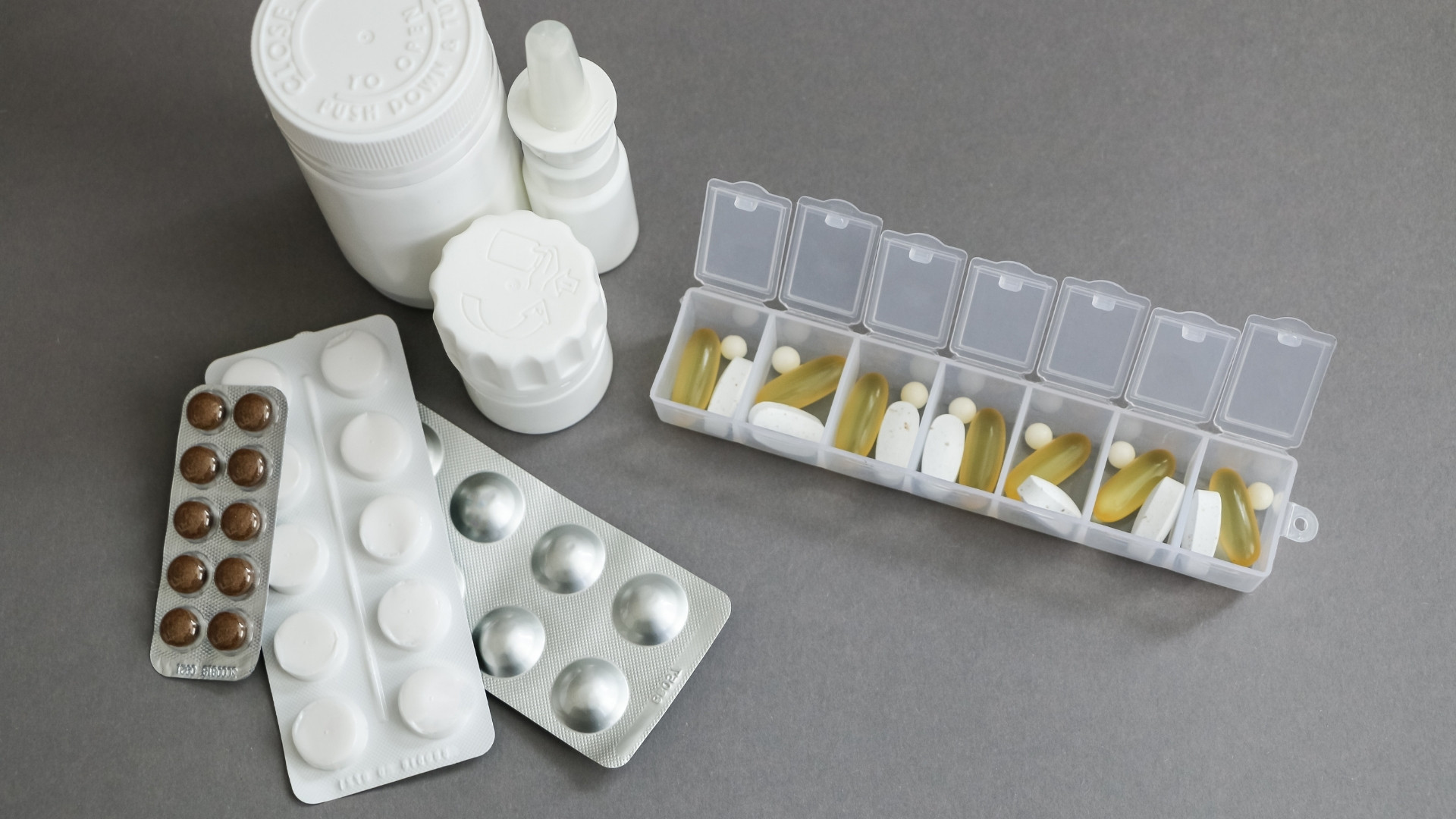
From a CMC and regulatory perspective, drug stability risk emerges from the interaction of formulation properties, environmental exposure, and packaging configuration across the supply chain. Packaging plays a critical role in managing these risks to ensure product integrity from manufacturing to patient use.
1. External Factors:
1.1 Temperature Fluctuations
- Risk: High or low temperatures can degrade the chemical composition of drugs.
- Mitigation: Use temperature-controlled packaging such as insulated containers and cold-chain solutions.
1.2 Light Exposure
- Risk: Some drugs, like certain biologics, are sensitive to light and can degrade.
- Mitigation: Use opaque or UV-protective packaging materials that shield the product from light exposure.
1.3 Humidity/Oxygen
- Risk: Moisture and oxygen can affect the chemical stability of the drug, especially in solid forms like tablets.
- Mitigation: Use moisture and oxygen barrier packaging, such as blister packs or vacuum-sealed containers.
2. Internal Factors:
2.1 Drug Formulation
- Risk: Some drugs are more chemically unstable and more susceptible to degradation.
- Mitigation: Tailor packaging materials to the specific chemical composition and stability needs of the drug.
2.2 Packaging Material Interaction
- Risk: Some drugs may interact with the packaging materials, compromising stability.
- Mitigation: Select inert, non-reactive packaging materials that do not affect the drug’s integrity.
How Drug Stability Packaging Protects Product Integrity
Packaging plays a crucial role in maintaining drug stability by protecting the product from a variety of environmental and internal factors that could compromise its effectiveness. A well-designed packaging solution not only meets regulatory requirements but also ensures that the drug maintains its integrity throughout storage, transport, and use.
| Packaging Solution | Benefit | Outcome |
| Moisture Protection | Prevents degradation and loss of potency | Prolonged shelf life, reduced product failure |
| Oxygen Barrier | Prevents oxidation of active ingredients | Maintains potency and stability |
| Light Protection | Shields drugs from light-induced degradation | Retains full therapeutic effect |
| Temperature Control | Regulates or insulates against temperature fluctuations | Safeguards drug integrity, especially for temperature-sensitive products |
| Chemical Stability | Prevents interactions between the drug and the packaging material | Ensures drug composition remains intact |
Types of Packaging Materials for Drug Stability
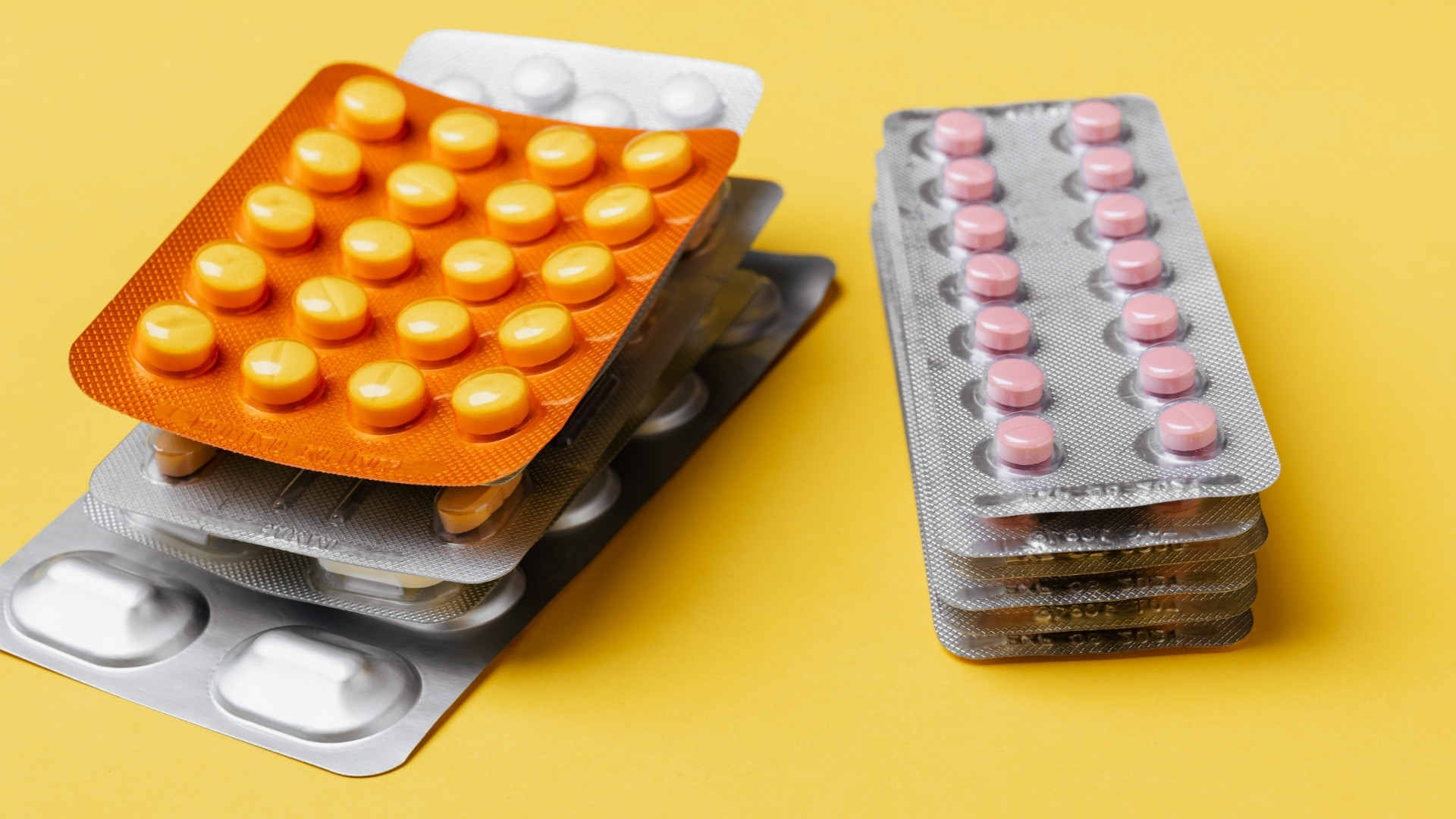
Choosing the right packaging material is essential for maintaining drug stability. Different materials offer varying levels of protection against environmental factors such as moisture, oxygen, light, and temperature. Here’s a quick overview of common packaging materials:
- Glass Containers
- Advantages: Excellent barrier to moisture, oxygen, and light.
- Limitations: Fragile, more expensive, and heavier than plastics.
- Best Use: Ideal for injectable drugs, biologics, and high-potency medications.
- Blister Packs
- Advantages: Protects individual doses from moisture and oxygen.
- Limitations: Suitable for smaller volumes, not ideal for bulk packaging.
- Best Use: Solid dosage forms like tablets and capsules.
- Plastic Containers
- Advantages: Cost-effective, lightweight, and flexible.
- Limitations: Permeable to oxygen and moisture, lower barrier properties.
- Best Use: Low-cost, short-term storage for non-sensitive drugs.
- Aluminum Foil
- Advantages: Provides excellent protection from moisture and light.
- Limitations: Less durable, more expensive than plastic.
- Best Use: Blister packaging for sensitive solid dosage forms.
- Flexible Pouches
- Advantages: Lightweight, cost-efficient, and customizable.
- Limitations: Less rigid, may have weaker oxygen barriers.
- Best Use: Single-dose or small-volume liquid drugs.
These materials each have their unique strengths and weaknesses, making it important to choose the right one based on the drug’s specific stability needs.
Regulatory Requirements and Drug Stability Packaging
Pharmaceutical packaging is not just a practical necessity; it must also adhere to strict regulatory standards. Regulatory agencies, such as the FDA, EMA, and ICH, set guidelines to ensure that drug packaging maintains stability, protects product integrity, and guarantees patient safety. Compliance with these requirements is critical to avoid delays, fines, or the inability to market a product.
- Good Manufacturing Practice (GMP): Packaging materials must be compatible with the drug and meet GMP standards to ensure quality control throughout the production process.
- Stability Testing: Stability testing under ICH-defined environmental conditions (e.g., temperature, humidity, and light) must support both shelf-life assignment and packaging justification within regulatory filings.
- Child-Resistant Packaging (CRP): For certain products, especially those that could pose a risk to children, packaging must be child-resistant.
- Serialization and Track-and-Trace: Packaging must include unique serial numbers to track and authenticate drugs through the supply chain.
Best Practices for Selecting Drug Stability Packaging
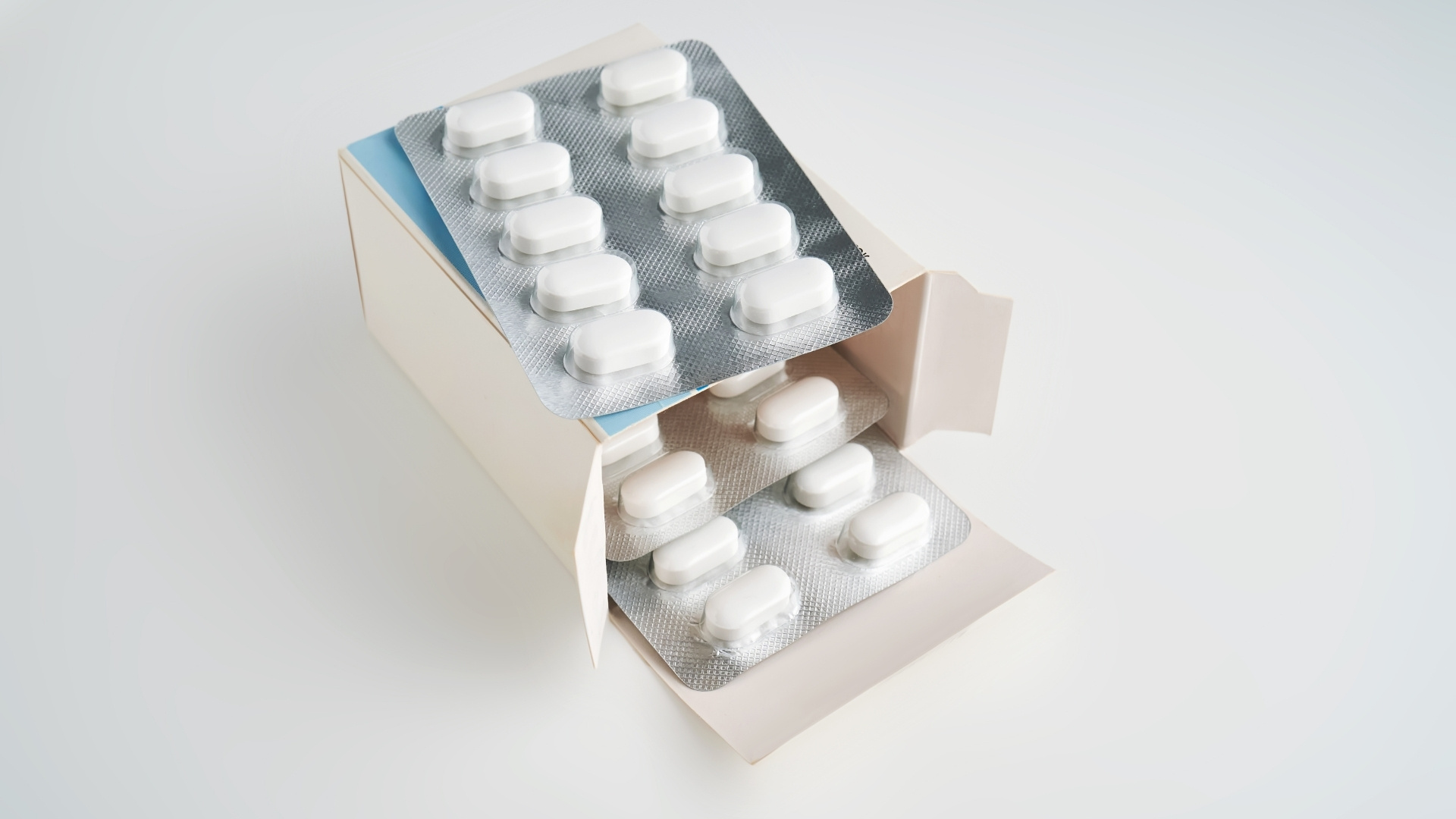
Selecting the right packaging solution is crucial to maintaining drug stability and ensuring compliance with regulatory standards. Here are the key best practices for making an informed decision:
1. Understand the Drug’s Stability Needs
- Conduct stability studies to identify specific environmental conditions (e.g., temperature, humidity, light exposure) that impact the drug’s stability.
- Choose packaging based on these findings to ensure optimal protection.
2. Choose Packaging Materials Based on Drug Formulation
- Select packaging materials that align with the drug’s form (e.g., solid, liquid, biologics).
- For biologics, glass vials may be needed, while tablets are best suited for blister packs with moisture protection.
3. Consider the Supply Chain and Distribution Conditions
- Account for potential temperature fluctuations and handling conditions throughout the supply chain.
- Use temperature-controlled packaging if necessary to maintain stability during transit and storage.
4. Evaluate Cost-Effectiveness
- Balance high-quality protection with cost efficiency.
- Ensure that packaging meets the stability requirements without exceeding budget constraints.
5. Ensure Regulatory Compliance
- Packaging must meet GMP standards and align with FDA, EMA, and ICH guidelines.
- Adhere to the latest regulatory guidelines for labeling, child-resistant packaging, and serialization.
6. Choose Packaging with Patient Convenience in Mind
- Ensure packaging is user-friendly and easy to handle.
- Focus on convenience, especially for consumer-facing products, to ensure they are practical for patients.
Innovative Packaging Technologies for Improved Drug Stability
As the pharmaceutical industry persists in evolving, packaging technologies are advancing to better address the complexities of drug stability. Innovative packaging solutions now offer enhanced protection, real-time monitoring, and sustainability benefits, making them essential for ensuring product integrity and regulatory compliance.
Here are some of the latest packaging technologies contributing to improved drug stability:
| Packaging Technology | Benefit | Outcome |
| Smart Packaging with Real-Time Monitoring | Sensors track temperature, humidity, and other conditions | Continuous monitoring to prevent environmental damage and provide data for corrective actions |
| Active Packaging | Absorbs or releases oxygen, moisture, or CO2 | Extends shelf life, especially for sensitive products like biologics and high-potency drugs |
| Sustainable Packaging Solutions | Biodegradable or recyclable materials | Reduces environmental impact while maintaining drug stability |
| Temperature-Controlled Packaging | Insulated boxes or refrigerated containers | Ensures stable temperature conditions for cold chain products like vaccines and biologics |
| Modified Atmosphere Packaging (MAP) | Alters packaging atmosphere (e.g., low oxygen) | Slows degradation by reducing oxidation and microbial growth |
DRK Research Solutions’ Approach to Ensuring Drug Stability Through Packaging Innovation
At DRK Research Solutions, we understand that packaging is vital to maintaining drug stability and integrity. Specializing in complex generics, hybrids, and niche products, we offer packaging solutions designed to protect drugs from environmental factors while ensuring compliance with regulatory standards throughout the product lifecycle.
Our services include:
- Development Capabilities: We conduct pre-formulation, feasibility studies, stability testing, and compatibility testing, ensuring packaging solutions align with stability needs early in development.
- GMP-Compliant Manufacturing: DRK ensures that packaging selection, compatibility data, and stability evidence align with GMP manufacturing and regulatory submission requirements for both clinical (IMP) and commercial supply.
- Technology Transfer: We facilitate seamless R&D to commercial scale transfer, with full documentation and validation packages for small molecules and biologic drug products where packaging compatibility and stability oversight fall within CDMO execution scope, ensuring packaging consistency throughout.
- Regulatory Dossier Preparation: We provide ready-to-file eCTD dossiers, including necessary packaging-related stability data for efficient regulatory submissions.
- Co-Development Partnerships: Our shared-risk models ensure packaging solutions align with your long-term product strategy and market goals.
DRK Research Solutions ensures that your products remain stable and compliant, optimizing packaging throughout each stage of development for safe and effective market entry.
Conclusion
Effective drug stability packaging is essential to ensure pharmaceutical product quality, safety, and regulatory compliance. By selecting the right packaging materials and solutions, companies can protect products from environmental factors, extend shelf life, and meet regulatory requirements. This proactive approach not only mitigates risks but also ensures consistency, improves patient safety, and accelerates market entry by aligning with global standards.
To optimize your drug stability packaging strategy and achieve greater control over product quality, it’s essential to assess your current packaging solutions and identify areas for improvement. DRK Research Solutions offers integrated expertise in packaging solutions, regulatory compliance, and manufacturing processes to ensure your products remain stable and market-ready.
If packaging-related stability, compatibility, or regulatory risk is emerging in your program, a focused discussion with DRK Research Solutions can help assess alignment across formulation, stability data, and GMP execution.
FAQs
1. Why is drug stability packaging important?
Drug stability packaging ensures the product’s quality and safety by protecting it from environmental factors like moisture, light, and temperature fluctuations, while also ensuring compliance with regulatory standards.
2. How does packaging affect the shelf life of a drug?
Packaging materials that provide barriers to moisture, oxygen, and light can significantly extend a drug’s shelf life, preventing degradation and preserving its efficacy over time.
3. What packaging materials are best for maintaining drug stability?
Materials like glass, blister packs, aluminum foil, and specialized plastic containers provide excellent protection against environmental risks, with the choice depending on the drug’s sensitivity and formulation.
4. How do regulatory standards influence drug stability packaging?
Regulatory bodies such as the FDA and EMA set strict guidelines to ensure packaging meets safety, stability, and compliance requirements. These include tests for moisture, light, and temperature protection, and ensuring packaging is suitable for transport and storage.
5. What role does DRK Research Solutions play in drug stability packaging?
DRK Research Solutions offers expert guidance in selecting and implementing the right packaging materials and solutions that ensure drug stability, regulatory compliance, and efficient market delivery.