
Contamination events in pharmaceutical manufacturing routinely surface as late-stage regulatory findings, supply interruptions, or unplanned remediation costs with direct portfolio impact. As contamination can occur at any stage of the drug development and manufacturing process, from raw material sourcing to final packaging, the stakes are high. Contaminated drugs pose a direct threat to patient safety, regulatory compliance, and commercial viability. Pharma companies face increasing pressure to prevent contamination, not just to ensure product safety but to meet regulatory standards and avoid costly product recalls or delays.
This article examines how contamination risk is assessed, controlled, and defended across development and GMP manufacturing, with a focus on regulatory expectations and execution risk. It will provide a framework for assessing contamination risks, from microbial to physical contamination, and outline the steps pharma companies can take to safeguard their products.
Key Takeaways
- Drug contamination testing ensures the safety, efficacy, and regulatory compliance of pharmaceutical products.
- Key types of contamination include microbial, chemical, and physical, each posing distinct risks to product integrity.
- Regulatory bodies like EMA and WHO mandate thorough contamination testing for market approval.
- Best practices include proper sample collection, validated testing methods, and routine monitoring.
- DRK Research Solutions supports contamination control by ensuring product quality through development, GMP manufacturing, and regulatory compliance.
Why Is Drug Contamination Testing Essential for Pharma?
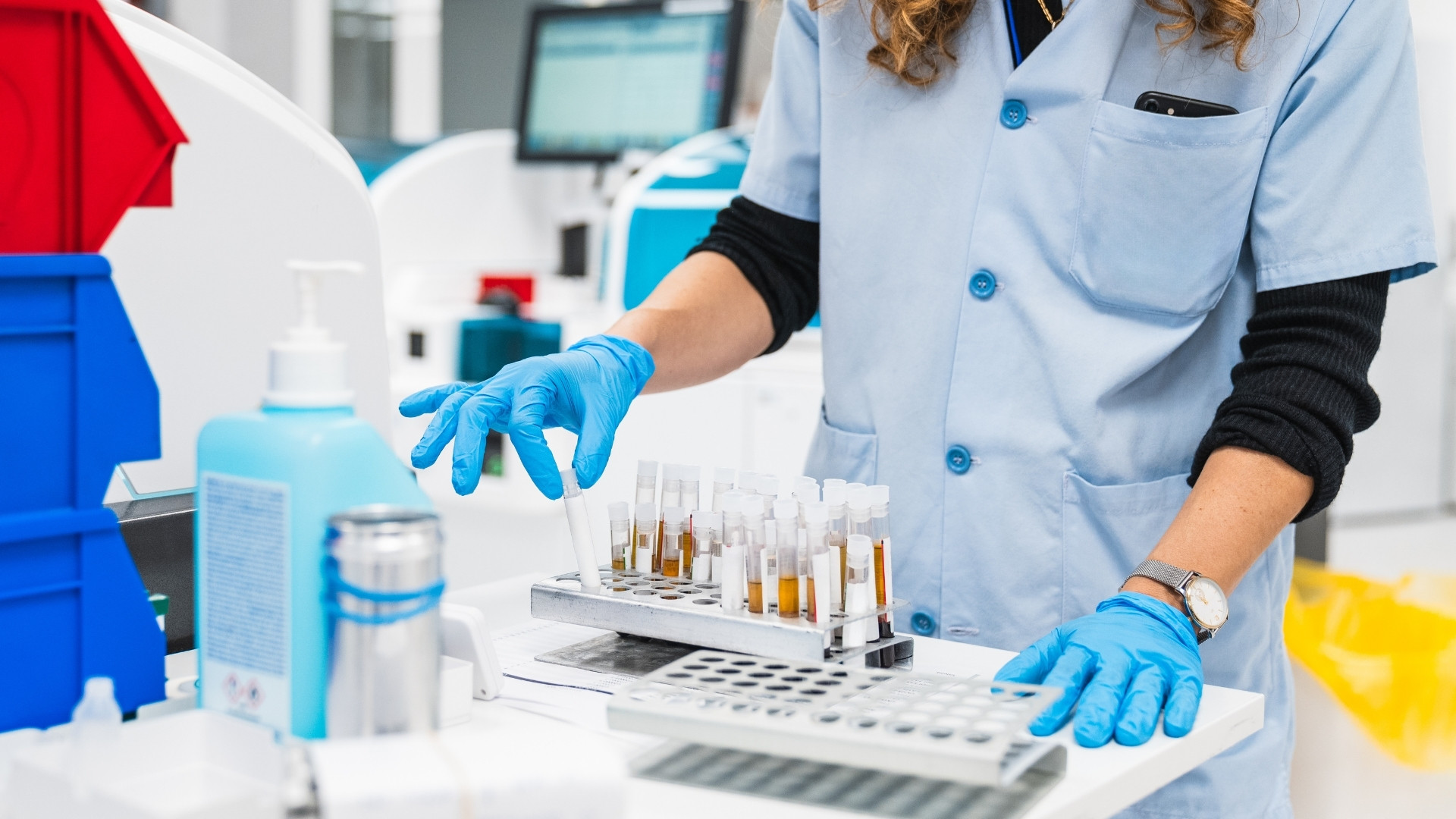
Drug contamination testing is essential to ensure that pharmaceutical products meet safety, quality, and regulatory standards. Here are the key benefits of implementing rigorous contamination testing throughout the drug development and manufacturing process:
- Ensures Product Safety: Identifies harmful contaminants, such as bacteria, chemicals, or foreign particles, that could affect patient health.
- Outcome: Prevents health risks and ensures patient safety.
- Regulatory Compliance: Adheres to strict standards set by regulatory bodies like the FDA, EMA, and WHO.
- Outcome: Helps avoid legal and financial consequences, ensuring market access and approval.
- Prevents Product Recalls: Early detection of contaminants reduces the likelihood of product recalls, which can be costly and damage a company’s reputation.
- Outcome: Maintains brand integrity and reduces financial loss.
- Improves Quality Control: Routine contamination testing enhances overall product quality and consistency.
- Outcome: Consistent, reliable products that meet consumer and regulatory expectations.
- Maintains Consumer Trust: Testing assures healthcare providers and patients that products are safe and of high quality.
- Outcome: Builds trust and strengthens the company’s reputation in the market.
Types of Contamination in Pharmaceutical Products
Contamination in pharmaceutical products can take various forms, each posing unique risks to product safety, efficacy, and regulatory compliance. Identifying and addressing these types of contamination is critical to ensuring that drugs are safe for patients and meet the required quality standards.
Here are the main types of contamination that can occur during the production and packaging of pharmaceutical products:
| Type of Contamination | Description | Impact |
| Microbial Contamination | Bacteria, fungi, or viruses in drug formulations. | Compromises safety, leads to infections or adverse reactions. |
| Chemical Contamination | Harmful chemicals or solvents are introduced into the product. | Causes toxicity, affects efficacy, and safety. |
| Physical Contamination | Foreign particles (glass, metal, plastic) in the product. | Risk of injury leads to product recalls or regulatory penalties. |
| Cross-Contamination | Contamination between different drug products in the same facility. | Leads to incorrect dosing, compromised effectiveness, and patient safety issues. |
Where Drug Contamination Starts: Common Sources in Pharma Manufacturing

Understanding the common sources of drug contamination is essential for preventing quality issues and ensuring regulatory compliance. Below are the primary sources of contamination in the pharmaceutical manufacturing process, along with key mitigation strategies:
1. Raw Materials
- Risk: Contaminants introduced during sourcing or due to poor-quality raw materials.
- Mitigation: Perform rigorous quality checks on raw materials and source from trusted suppliers to minimize contamination risks.
2. Manufacturing Equipment
- Risk: Inadequate cleaning, improper maintenance, or malfunctioning equipment can introduce contaminants.
- Mitigation: Implement regular equipment cleaning protocols, maintenance schedules, and monitoring systems to prevent contamination.
3. Human Factors
- Risk: Improper handling, lack of hygiene, or poor training can lead to microbial contamination.
- Mitigation: Enforce strict hygiene protocols, provide proper personal protective equipment (PPE), and ensure thorough staff training.
4. Packaging Materials
- Risk: Contamination from improperly sterilized packaging materials.
- Mitigation: Ensure all packaging materials are sterilized and validated to meet contamination control standards.
5. Storage Conditions
- Risk: Incorrect storage conditions, such as inappropriate temperature or humidity, can foster microbial growth or degrade drug stability.
- Mitigation: Monitor and control storage conditions consistently, ensuring they align with the stability requirements of the product.
Regulatory Standards for Drug Contamination Testing
Contamination testing in pharmaceuticals is governed by strict regulatory standards. In Europe, the European Medicines Agency (EMA), along with national bodies, sets guidelines to minimize contamination risks. These regulations specify required testing procedures, acceptable limits, and necessary documentation to ensure compliance, product safety, and faster market access.
Key regulatory standards include:
- EMA (European Medicines Agency): Provides detailed guidelines for contamination control, sterility testing, and stability studies in drug products.
- National competent authorities in the EU enforce contamination control requirements under EMA and EU GMP frameworks, with country-specific oversight during inspections.
- WHO (World Health Organization): Sets international standards for contamination testing, including microbiological and chemical residue testing.
These regulations necessitate thorough documentation and regular testing at various stages of production. Complying with these standards is necessary for maintaining patient safety, securing regulatory approvals, and avoiding costly delays.
5 Proven Best Practices for Effective Drug Contamination Testing

Implementing the right practices for drug contamination testing is key to ensuring that pharmaceutical products meet safety and regulatory standards. These practices help minimize contamination risks, improve product quality, and ensure compliance.
Here’s a framework of best practices to follow:
1. Proper Sample Collection
- Action: Collect samples at the correct stages of production and in proper conditions to ensure accurate testing results.
- Outcome: Reliable data that accurately reflects product quality and contamination levels.
2. Validated Testing Methods
- Action: Use scientifically validated methods for testing, such as PCR for microbial contamination or HPLC for chemical residues.
- Outcome: Accurate, reproducible results with minimal error, ensuring product safety.
3. Routine Monitoring and Audits
- Action: Regularly monitor production processes, environmental conditions, and equipment for potential contamination risks.
- Outcome: Early detection of issues, leading to timely corrective actions and reduced contamination risk.
4. Comprehensive Documentation
- Action: Maintain thorough records of all testing processes, results, and corrective actions taken.
- Outcome: Enhanced compliance, transparency, and readiness for regulatory audits.
5. Cross-Functional Collaboration
- Action: Encourage collaboration between development, manufacturing, and quality control teams to integrate contamination testing across all stages.
- Outcome: Improved coordination and faster identification and resolution of contamination risks.
The Role of CDMOs in Drug Contamination Testing
CDMOs are essential in managing contamination risks during drug production. With their expertise in manufacturing and regulatory compliance, CDMOs help pharmaceutical companies ensure contamination testing is accurate and meets regulatory standards, ultimately reducing the risk of delays and non-compliance.
CDMOs support contamination testing by:
- Expertise in Contamination Control: Implementing effective contamination control strategies across the production lifecycle.
- Regulatory Compliance: Ensuring testing meets global regulatory standards, facilitating faster market approval.
- Scalable Testing Solutions: Offering flexible testing capabilities for both small batches and large-scale manufacturing.
- Advanced Testing Technologies: Coordinating validated analytical approaches and partner-supported technologies to improve sensitivity, turnaround time, and regulatory defensibility of contamination testing.
Partnering with CDMOs ensures pharmaceutical companies meet safety standards while minimizing contamination risks and accelerating time-to-market.
Advanced Technologies in Drug Contamination Testing
Advancements in drug contamination testing technologies are transforming the pharmaceutical industry, enabling more accurate, efficient, and timely detection of contaminants. Here are the key technologies improving contamination testing processes:
| Technology | Benefit | Outcome |
| Automated Detection Systems | Faster, more precise contamination detection. | Increased efficiency and reduced human error. |
| Real-Time Monitoring | Continuous contamination risk monitoring during production and storage. | Early detection and quick corrective actions. |
| Next-Generation Sequencing (NGS) | Enhanced sensitivity for detecting low concentrations of microorganisms. | Faster, more accurate microbial testing. |
| Artificial Intelligence (AI) & Machine Learning (ML) | Predictive analytics for contamination risks. | Proactive risk management and reduced contamination likelihood. |
How DRK Research Solutions Supports Drug Contamination Testing
At DRK Research Solutions, we understand the critical role of drug contamination testing in ensuring product safety, quality, and regulatory compliance. Specializing in complex generics, hybrids, and niche products, we provide integrated solutions across the entire drug development and manufacturing lifecycle, ensuring your products meet stringent standards and mitigate contamination risks.
Our services include:
- Development Capabilities: We support pre-formulation, feasibility studies, and early-stage formulation development, ensuring contamination control from the outset.
- Manufacturing Capabilities: Our GMP manufacturing operations in Europe and Asia integrate contamination control strategies through validated processes, qualified analytical support, and regulatory-aligned oversight for both clinical (IMP) and commercial manufacturing.
- Technology Transfer: We ensure smooth technology transfer from R&D to commercial-scale production, with complete documentation and validation to maintain contamination control.
- Out-Licensing & Dossiers: We prepare ready-to-file eCTD dossiers, ensuring all necessary contamination testing and compliance data are included for faster regulatory approval.
- Co-Development Partnerships: We work alongside partners in shared-risk models, providing expertise in contamination testing throughout the lifecycle of complex generics, niche and hybrids.
DRK Research Solutions ensures your products meet the highest quality and safety standards, comply with global regulations, and accelerate market entry.
Conclusion
Drug contamination testing is a crucial component of ensuring pharmaceutical product safety, efficacy, and regulatory compliance. By identifying microbial, chemical, and physical contaminants early, pharmaceutical companies can prevent recalls, ensure patient safety, and meet stringent regulatory standards. This proactive approach mitigates risks, enhances product quality, and accelerates market entry by aligning with global regulatory expectations.
To strengthen your contamination control strategy and move toward more predictable quality outcomes, consider a structured evaluation of your current development, analytical, and manufacturing pathways. DRK Research Solutions offers integrated expertise in product development, analytical method validation, and GMP manufacturing that incorporates contamination control practices.
Contact with DRK Research Solutions to strengthen contamination control strategies and support compliant progression from development to commercial supply.
FAQs
1. What types of contamination are tested in pharmaceutical products?
Pharmaceutical contamination testing covers microbial (bacteria, fungi, viruses), chemical (solvents, impurities), and physical contamination (foreign particles). Each type poses different risks to product safety, quality, and regulatory compliance.
2. Why is contamination testing important for regulatory approval?
Regulatory bodies like the EMA, FDA, and WHO require comprehensive contamination testing to ensure pharmaceutical products meet safety standards. Adhering to these regulations helps avoid delays, recalls, and legal consequences.
3. How does DRK Research Solutions support contamination control in drug manufacturing?
DRK Research Solutions integrates contamination control measures throughout product development, GMP manufacturing, and regulatory compliance. Their services ensure that quality standards are met and that products are ready for market without contamination risks.
4. How can contamination testing impact time-to-market for pharmaceutical products?
Effective contamination testing helps identify risks early, reducing the chance of delays during production and regulatory reviews. By addressing contamination proactively, companies can speed up time-to-market and avoid costly rework.
5. What technologies are used in contamination testing?
Advanced technologies like PCR for microbial testing, HPLC for chemical contaminants, and next-generation sequencing for more precise microbial identification are used to detect and analyze contaminants in pharmaceutical products.