
Process analytical technology (PAT) has become a critical enabler for pharmaceutical manufacturers operating under increasing regulatory scrutiny, compressed development timelines, and global supply complexity. For sponsors managing scale-up, technology transfer, or multi-site GMP manufacturing, PAT provides the real-time process insight required to maintain consistent quality and regulatory confidence.
Across solid oral, liquid, and sterile dosage forms, PAT supports deeper process understanding during development and sustained control during commercial production. When implemented strategically, it reduces batch failure risk, strengthens Chemistry, Manufacturing, and Controls (CMC) narratives, and enables cost-efficient manufacturing models, under global compliance frameworks.
In this blog, we’ll explore how process analytical technology transforms pharmaceutical manufacturing, its key components, and the strategic advantages it offers for improving quality, efficiency, and patient outcomes.
Key Takeaways:
- Process analytical technology enables real-time monitoring and control of critical manufacturing parameters, improving product quality and consistency.
- Integration of PAT supports faster development, predictable scale-up, and regulatory compliance across multiple dosage forms and global production sites.
- Key technologies include spectroscopy, chromatography, and multivariate data analysis, providing actionable insights for immediate process optimisation.
- Strategic implementation of PAT enhances operational efficiency, reduces material waste, and enables continuous manufacturing, supporting both cost-effectiveness and global supply reliability.
- Partnering with a CDMO experienced in PAT ensures robust development, GMP-compliant production, and regulatory-ready documentation for complex formulations.
What is Process Analytical Technology in Pharma Manufacturing?
Process Analytical Technology (PAT) is a science- and risk-based framework aligned with ICH Q8 (Pharmaceutical Development), ICH Q9 (Quality Risk Management), and ICH Q10 (Pharmaceutical Quality System). It integrates real-time measurement, process understanding, and control strategies to ensure that critical quality attributes (CQAs) are consistently achieved throughout the product lifecycle.
For manufacturers, PAT enables predictable scale-up, reliable product quality, and stronger regulatory confidence, especially critical for multi-site operations, complex formulations, and global supply programs.
Traditional Manufacturing vs. PAT-Enabled Processes in Pharma
From a CMC and quality leadership perspective, the key distinction between traditional manufacturing and PAT-enabled processes lies in when and how process risk is identified. Conventional batch testing detects variability after it has already occurred, whereas PAT enables proactive control strategies that prevent deviations before they impact product quality or regulatory compliance.
The table below highlights key differences between traditional methods and PAT-enabled processes, step by step.
| Manufacturing Step | Traditional Approach | Process Analytical Technology (PAT) |
| Formulation & Pre-Processing | Offline testing of blends; adjustments based on historical data | Real-time monitoring of blend uniformity, moisture, and API concentration |
| Granulation / Blending | Limited batch sampling; checked after processing | In-line or at-line monitoring ensures continuous homogeneity |
| Compression / Tableting | Tablet properties tested post-production | Real-time measurement of weight, hardness, and density |
| Drying / Coating | End-of-batch testing for moisture or coating | Continuous monitoring for moisture content and coating uniformity |
| Packaging & Final QC | Samples sent to lab; delayed results | At-line or in-line checks for concentration, fill, and stability |
| Process Control & optimisation | Adjustments made based on past batch data | Continuous feedback allows real-time adjustments to maintain process control |
By comparing traditional methods with PAT, it becomes clear how real-time insights enhance process understanding, reduce variability, and support compliance with regulatory expectations.
Top Benefits of Process Analytical Technology (PAT) in Pharmaceutical Manufacturing

In pharmaceutical manufacturing, real-time process insights are crucial for consistent product quality and regulatory compliance. Process analytical technology (PAT) allows manufacturers to monitor, control, and optimise production, turning data into actionable decisions.
Implementing PAT provides both operational and strategic advantages, as outlined below:
- Enhanced Process Control and Product Quality: By enabling real-time monitoring of critical process parameters, PAT ensures consistent product quality across batches. This proactive approach allows early detection of deviations, minimising variability and supporting comparability across sites.
- Reduced Material Waste and Cycle Times: With in-line analytics and continuous feedback, PAT reduces material losses and accelerates production cycles. This efficiency translates to lower costs, higher batch success rates, and faster time-to-market.
- Support for Continuous Manufacturing: As companies adopt continuous manufacturing, PAT becomes indispensable. Real-time data and predictive modelling help maintain process consistency, scale production efficiently, and meet stringent regulatory requirements.
- Regulatory Confidence and Compliance: PAT strengthens regulatory submissions by demonstrating a thorough understanding and control of manufacturing processes. Comprehensive process data improves inspection readiness and reduces the risk of post-approval compliance issues.
- Operational Efficiency and Strategic Advantage: Beyond compliance, PAT provides actionable insights for proactive decision-making, faster troubleshooting, and robust production outcomes.
Collectively, these benefits improve process reliability, inspection readiness, and long-term manufacturing sustainability across regulated and emerging markets.
Core Components Used in Process Analytical Technology (PAT)
Effective pharmaceutical manufacturing requires more than monitoring—it demands real-time understanding of processes to maintain consistent product quality. Process Analytical Technology (PAT) enables manufacturers to capture, interpret, and act on process data, reducing variability and improving compliance.
Below is an overview of key PAT components, their functionality, benefits, and real-world examples:
| Core Component / Analytical Tool | Description | Key Benefits | Example |
| In-Line Measurement | Measures process attributes directly within the production stream. | Provides continuous, real-time monitoring without sample removal, enabling immediate corrective actions. | NIR spectroscopy monitoring blend uniformity during tablet production |
| On-Line Measurement | Diverts samples from the process stream for automated analysis. | Offers high-precision monitoring while maintaining process flow and minimising disruption. | On-line HPLC analysis of API concentration during formulated product processing or blending stages |
| At-Line Measurement | Performs rapid testing near the production area without interrupting the process. | Delivers timely data for decision-making, helping reduce batch variability and failure risk. | pH and moisture testing of granules using portable analysers |
This layered approach ensures actionable insights at every stage of manufacturing, supporting optimised performance, regulatory compliance, and reliable product quality.
Key Analytical Technologies in Process Analytical Technology (PAT)
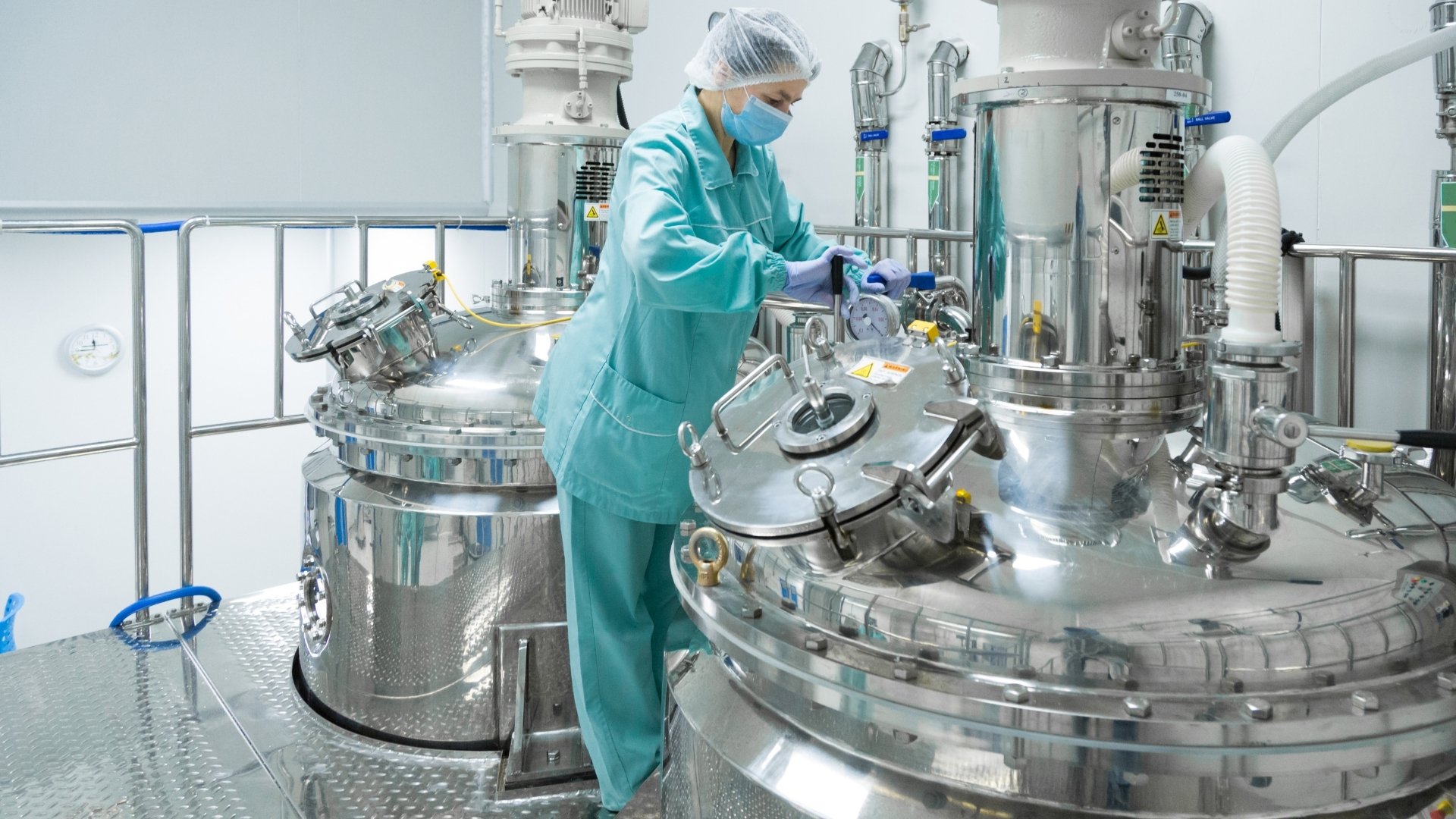
Pharmaceutical manufacturing increasingly relies on real-time data to ensure consistent quality, optimise processes, and meet regulatory expectations. Several analytical technologies form the backbone of PAT, each offering unique capabilities to monitor and control critical process attributes.
1. Spectroscopy
Spectroscopy provides rapid, non-destructive insights into the physical and chemical properties of materials. By measuring how light interacts with substances, it enables real-time monitoring of critical quality attributes during production.
- Function: Monitors blend uniformity, moisture content, and API concentration.
- Example: Near-Infrared (NIR) spectroscopy for tablet blends; Raman spectroscopy for in-line API identification.
2. Chromatography
Chromatography allows precise separation and quantification of components within complex mixtures. It is essential for ensuring purity, verifying API levels, and detecting impurities in pharmaceutical products.
- Function: Ensures accurate measurement of APIs and impurities during manufacturing.
- Example: High-Performance Liquid Chromatography (HPLC) for impurity profiling in liquid formulations.
3. Multivariate Data Analysis (MVDA)
MVDA transforms large, complex datasets into actionable insights. By modelling relationships between multiple variables, it supports faster root-cause analysis, enhanced process control, and predictive decision-making.
- Function: Converts process data into actionable insights to improve control and reduce variability.
- Example: Partial Least Squares (PLS) modelling of NIR data to predict blend uniformity.
These technologies collectively provide real-time visibility, predictive control, and regulatory alignment, ensuring efficient and high-quality pharmaceutical manufacturing.
How Can PAT Be Strategically Implemented in Pharmaceutical Manufacturing?
For organisations operating across multiple geographies, PAT plays a critical role in maintaining consistent quality standards under global regulatory oversight. Real-time process data enables centralised quality governance, even when execution occurs in cost-efficient regions.
1. Real-Time Quality Control and Process Insight
Implementing PAT shifts quality control from post-production testing to continuous, real-time verification. This approach enables manufacturers to detect deviations immediately, minimise rework, and reduce batch rejection rates. It supports both development-stage flexibility and commercial-stage reliability.
2. Alignment with Quality by Design (QbD)
PAT is most effective when integrated into a Quality by Design framework. Data-driven insights from formulation development and scale-up guide control strategies, ensuring critical quality attributes remain within the defined design space throughout the product lifecycle.
3. Continuous Process Verification and Regulatory Compliance
PAT enables Continuous Process Verification by providing ongoing evidence of a process in a state of control. Regulatory authorities increasingly expect this proactive approach, particularly for complex dosage forms, continuous manufacturing models, and multi-region supply chains.
Key Challenges in Implementing Process Analytical Technology (PAT)
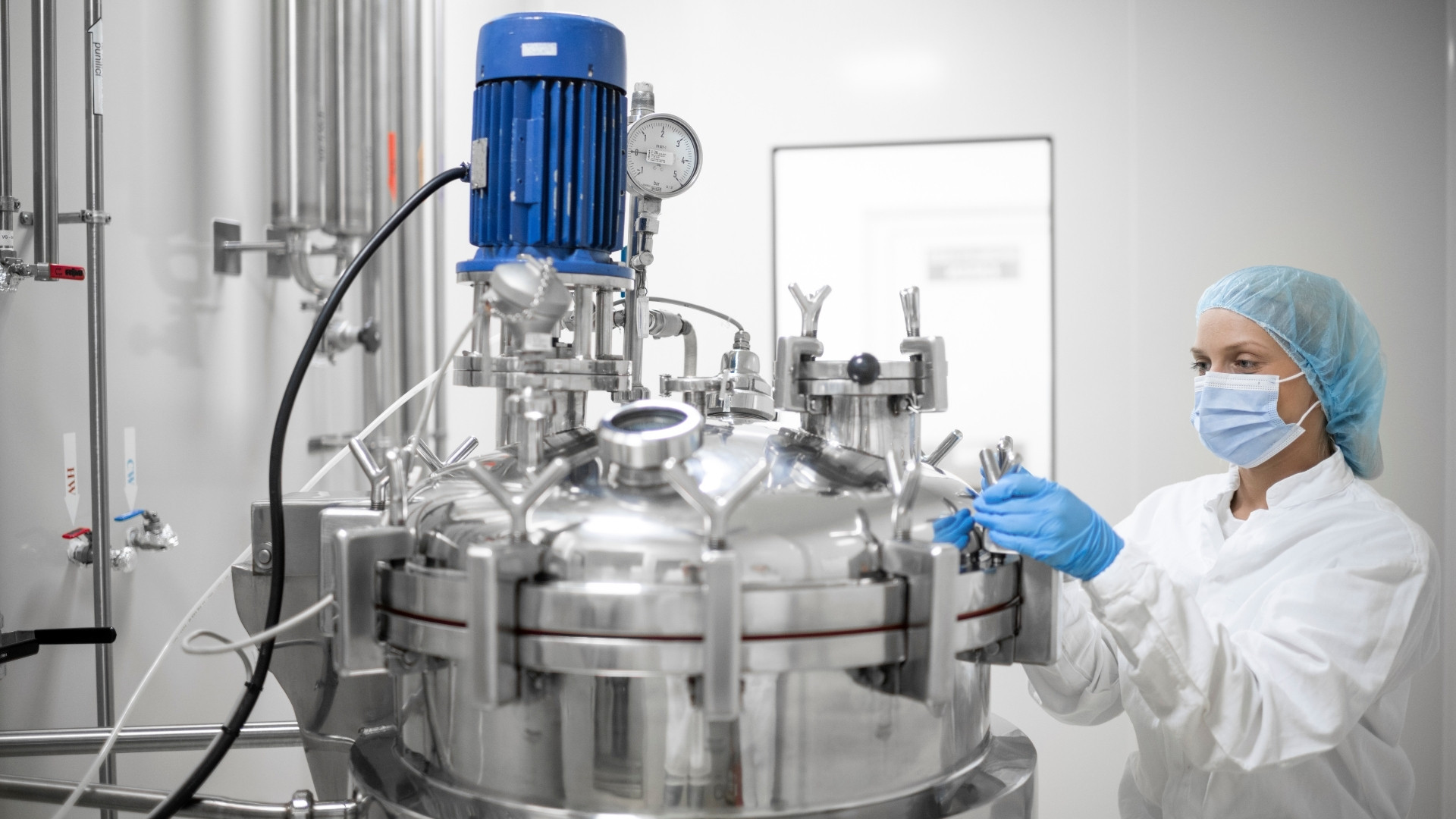
Adopting process analytical technology is critical for real-time monitoring and control in pharmaceutical manufacturing. However, its implementation presents several technical, operational, and regulatory challenges that must be addressed to maximise its value.
Below are the key hurdles faced by pharmaceutical companies when implementing PAT:
1. Technical and System Integration Complexity
- Challenge: Integrating PAT tools with legacy equipment, automation platforms, and data systems can be complicated. Poor integration can limit data usability and delay realization of process insights.
- Strategic Approach: Plan early for system compatibility, leverage standardised communication protocols, and conduct thorough validation to ensure seamless integration and reliable data flow.
2. Data Integrity and Compliance Management
- Challenge: High-frequency data generated by PAT tools introduces governance and compliance challenges. Systems must adhere to ALCOA+ principles, remain audit-ready, and meet regulatory inspection standards across regions.
- Strategic Approach: Implement robust data management frameworks, ensure secure and traceable data capture, and align documentation practices with global regulatory expectations.
3. Process Knowledge Gaps During Early Adoption
- Challenge: PAT can reveal variability in processes that are not fully characterised in early development stages. Without sufficient understanding, data interpretation and predictive model reliability may be limited.
- Strategic Approach: Conduct thorough process characterisation studies, invest in training teams on PAT data interpretation, and develop scalable models that improve as process understanding grows.
4. High Implementation and Maintenance Costs
- Challenge: Deploying PAT systems can require significant capital investment for sensors, software, and training. Ongoing maintenance and calibration add to operational expenses.
- Strategic Approach: Evaluate cost-benefit scenarios, prioritise critical PAT applications, and implement phased deployment to optimise budget and resource allocation.
5. Model Calibration and Validation
- Challenge: Predictive models and analytical methods require continuous calibration and validation to maintain accuracy. Inaccurate models can lead to incorrect process adjustments and regulatory risks.
- Strategic Approach: Establish a robust calibration schedule, perform routine validation checks, and integrate adaptive learning models that improve with ongoing process data.
Future Outlook for Process Analytical Technology in Pharma Manufacturing
Looking ahead, Process Analytical Technology (PAT) is set to become even more integral to pharmaceutical manufacturing. Advances in sensor technologies, real-time modelling, and data analytics are expanding process visibility and control, enabling faster, safer, and more consistent production.
Key trends shaping the future of PAT include:
- Enhanced Analytical Tools: Techniques like advanced diffraction and improved chemometric models will provide deeper insights into critical quality attributes.
- Integration with Continuous Manufacturing: PAT will support scalable, compliant, and efficient production workflows, reducing variability and improving throughput.
- Data-Driven Decision Making: Real-time process monitoring and predictive analytics will enable proactive quality management and faster response to deviations
- Global Supply Impact: PAT adoption will facilitate reliable production strategies for global markets supporting accessibility and SDG-aligned objectives.
By using these innovations, PAT will continue to drive both operational excellence and regulatory compliance in modern pharmaceutical manufacturing.
How DRK Research Solutions Contributes to Pharmaceutical Manufacturing with PAT?
DRK Research Solutions integrates process analytical technology (PAT) within its CDMO operating model to support robust formulation development, scalable manufacturing, and regulatory-aligned process control. PAT is applied selectively where real-time data improves process understanding, reduces scale-up risk, and strengthens CMC documentation across development and commercial supply stages.
To translate PAT capabilities into tangible benefits, DRK applies these strategies across development and manufacturing stages:
- Development Support: DRK provides formulation development, analytical testing, and stability studies to ensure every dosage form is scientifically sound and ready for regulatory approval.
- GMP Manufacturing Across Dual Geographies: DRK collaborates with EU-approved facilities in Europe and Asia, supporting manufacturing aligned with EU and US regulatory standards. This model enables scalable and cost-efficient production while maintaining strict quality and compliance requirements.
- Expertise in Complex and Specialised Formulations: DRK specialises in developing complex dosage forms, including controlled-release tablets, capsules, injectables, ophthalmic solutions and suspensions, nasal sprays, sachets and stick packs and pediatric formulations, requiring precise stability and formulation control.
- Regulatory Documentation and eCTD Support: DRK prepares eCTD-ready dossiers with comprehensive documentation, including stability, preservative efficacy, and performance data, ensuring smooth and efficient regulatory submissions worldwide.
- Flexible Production Models and Scalability: DRK offers flexible production options for clinical trials and commercial-scale manufacturing, with the ability to scale from small batches to high-volume production while maintaining consistent quality.
Beyond this, DRK focuses on drug product development and manufacturing, while drug substances (APIs) are sourced through qualified and approved vendor partners. This ensures reliable supply chain continuity while allowing DRK to concentrate on formulation development, process optimisation, and GMP-compliant drug product manufacturing.
Conclusion
Process analytical technology (PAT) shifts pharmaceutical manufacturing from reactive quality checks to real-time, proactive process control. Companies using PAT gain consistent product quality, reduced variability, and faster issue resolution.
Pharma and biotech leaders now rely on CDMOs with PAT expertise. DRK Research Solutions integrates real-time monitoring, analytics, and process control to optimise performance, ensure regulatory compliance, and support operational efficiency.
For sponsors evaluating how real-time process control can reduce development and manufacturing risk, engaging with a CDMO experienced in PAT-enabled workflows can support more predictable scale-up, inspection readiness, and global supply continuity.
Ready to strengthen your manufacturing with real-time process control? Connect with DRK Research Solutions’ CDMO team.
FAQs
1. What is process analytical technology (PAT) in pharmaceutical manufacturing?
Process analytical technology (PAT) refers to a system of tools and methods used to monitor and control manufacturing processes in real time. It helps ensure consistent product quality, reduces variability, and supports efficient production by providing immediate insights into critical process parameters.
2. How does PAT improve drug quality and compliance?
By continuously monitoring process parameters and product attributes, PAT allows manufacturers to detect deviations early, make real-time adjustments, and maintain consistent quality. This proactive approach supports compliance with regulatory standards and reduces the risk of batch failures.
3. Can PAT accelerate pharmaceutical development?
Yes, PAT enables faster process optimisation and scale-up by providing real-time data during formulation and manufacturing. This reduces trial-and-error experimentation, shortens development timelines, and improves overall efficiency.
4. What types of technologies are used in PAT?
PAT encompasses a range of tools, including spectroscopy (NIR, Raman), chromatography, process sensors, and real-time analyzers. These technologies monitor critical quality attributes (CQAs) such as particle size, moisture content, concentration, and chemical composition.
5. How does PAT support continuous manufacturing in pharma?
PAT is a cornerstone of continuous manufacturing, as it allows for constant monitoring and feedback control. This ensures each unit meets specifications, reduces waste, and improves scalability compared to traditional batch processing.