
Fill and finish is a critical step in pharmaceutical manufacturing, ensuring that bulk drug products are transferred into their final containers, vials, syringes, or cartridges while maintaining sterility and dosing accuracy. This process is the final checkpoint before commercialization and plays a vital role in ensuring product integrity, regulatory compliance, and patient safety.
For biologics, vaccines, and injectables, fill and finish is essential to achieving timely market entry and global distribution. The process involves not only filling but also sealing, labeling, packaging, and performing quality checks. Proper execution is required to meet stringent regulatory standards and ensure that the final product is safe, effective, and ready for patients.
In this blog, we explore the fill and finish process, its significance in pharmaceutical manufacturing, and why choosing the right CDMO partner is critical to success.
Key Takeaways
- Fill and finish is the final step in pharmaceutical manufacturing, ensuring sterility, accurate dosing, and regulatory compliance for biologics, vaccines, and injectables.
- The process involves transferring bulk drug substances into containers, along with sealing, labeling, and packaging.
- It adheres to cGMP standards to meet global regulatory requirements, ensuring product safety and efficacy.
- Aseptic filling and sterile packaging are critical to prevent contamination and ensure patient safety.
- Partnering with a trusted CDMO ensures efficient execution, regulatory compliance, and faster time-to-market.
What Are Fill and Finish Services?
Fill and finish is the final stage of pharmaceutical manufacturing, where the bulk drug product is transferred into its final dosage form, such as vials, syringes, or cartridges. This step involves more than just filling; it also includes sealing, labeling, and ensuring the drug’s integrity and sterility before reaching the market.
Fill and finish is crucial for ensuring that drugs are safe, effective, and ready for distribution, maintaining compliance with cGMP (Current Good Manufacturing Practices) and meeting regulatory standards set by agencies like the FDA, EMA, and WHO
Importance of Fill and Finish in Pharmaceuticals
Fill and finish is a crucial step in pharmaceutical manufacturing that ensures a drug’s safety, efficacy, and regulatory compliance before commercialization. This process directly impacts product quality, patient safety, and the ability to meet regulatory standards.
- Ensuring Sterility and Patient Safety: Maintaining a sterile environment is essential to prevent contamination. Aseptic fill and finish processes preserve the integrity of the drug, safeguarding patients from potential infections and adverse effects.
- Dosage Accuracy and Consistency: Accurate filling ensures that each dose contains the right amount of active ingredient, supporting therapeutic efficacy. This consistency is vital for both patient safety and regulatory compliance.
- Regulatory Compliance: Strict adherence to cGMP standards is required to meet FDA, EMA, and WHO guidelines. Fill and finish processes must pass rigorous inspections to ensure safety and compliance across global markets.
- Extended Shelf Life: Proper sealing and packaging during fill and finish maintain product stability over time. This extends shelf life, ensuring that products remain effective and safe until they reach patients.
- Market Access and Global Distribution: Efficient fill and finish operations are essential for timely product availability across global markets. Adhering to regulatory requirements ensures faster approval and smoother distribution.
Key Steps in the Fill and Finish Process
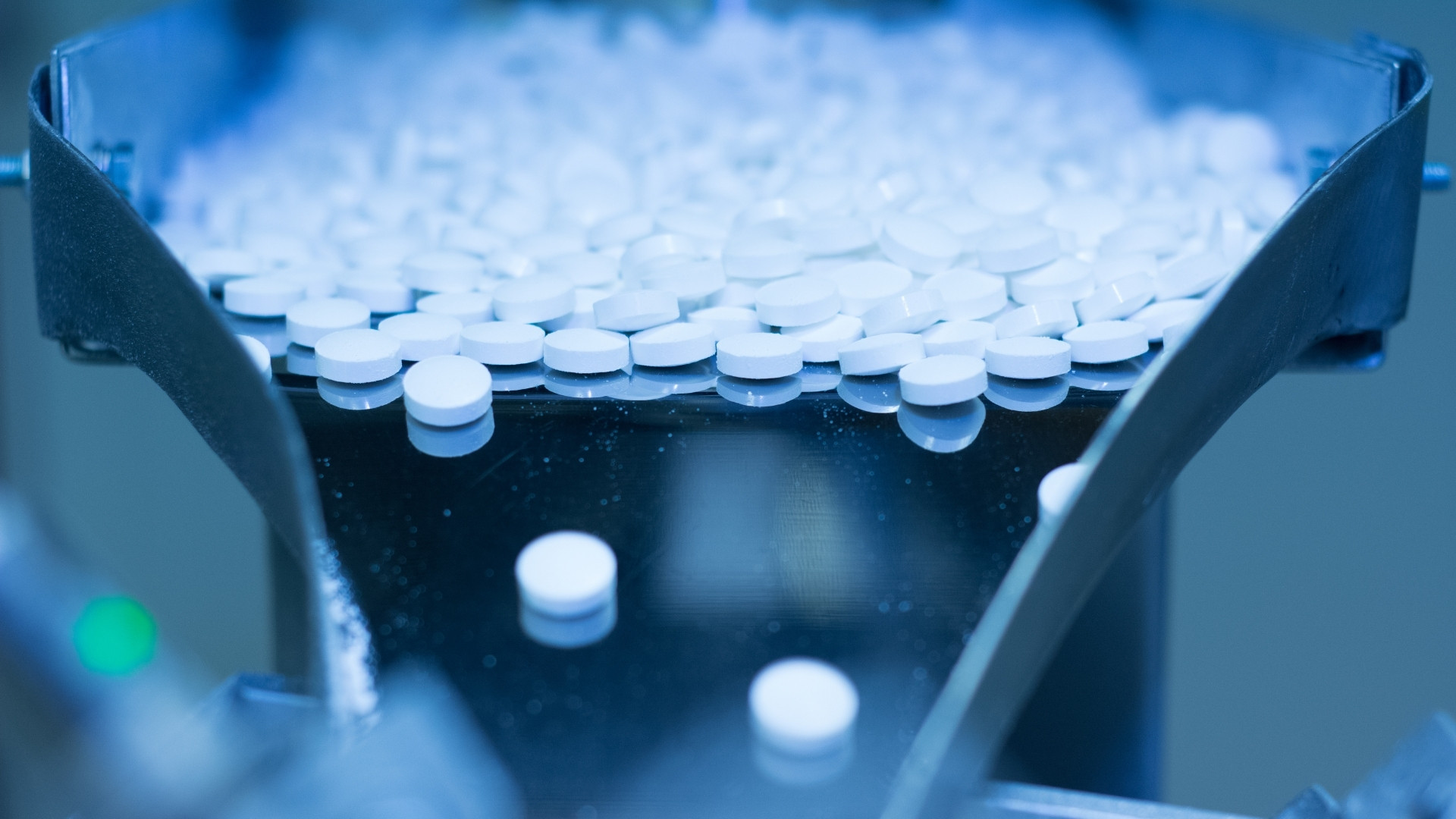
The fill and finish process is integral to ensuring that the final drug product is safe, effective, and compliant with regulatory standards. Below are the key steps involved in the process.
1. Drug Product Preparation
The bulk drug product is prepared, including necessary steps like filtration, dilution, or mixing, to achieve the correct concentration and composition before filling.
2. Sterile Filling
The prepared drug substance is transferred into its final containers—vials, syringes, or cartridges under aseptic conditions. This step is critical for maintaining sterility and ensuring the integrity of the drug.
3. Stoppering and Sealing
After filling, containers are sealed with rubber stoppers or caps, preserving the product’s sterility and preventing contamination during storage and transportation.
4. Visual Inspection
Each filled container undergoes rigorous inspection to identify defects, contamination, or sealing issues. This ensures only compliant products proceed to the next stage.
5. Labeling and Packaging
The final step involves labeling the product with essential information (e.g., dosage, expiry date) and packaging it according to regulatory standards and market requirements.
Types of Fill and Finish Packaging Formats
The choice of packaging format is critical to ensuring the safety, efficacy, and patient compliance of pharmaceutical products. Different formats are suited to specific drug types, patient needs, and delivery systems.
- Vials: Vials are commonly used for both liquid and lyophilized formulations. They are ideal for injectable drugs, particularly biologics, and are suitable for high-potency drugs, allowing precise dosing and long-term storage.
- Pre-filled Syringes: Pre-filled syringes are used for drugs requiring quick and accurate administration, such as biologics and vaccines. They improve patient adherence by eliminating the need for manual filling.
- Cartridges: Cartridges are used in pen injectors or auto-injectors. They are ideal for drugs that require multiple doses over time, offering convenience and controlled dosing for patients.
- Ampoules: Ampoules are sealed glass containers used for single-dose applications, commonly for vaccines or high-potency drugs. They help maintain sterility and are suited for one-time use.
Aseptic vs Terminal Sterilization
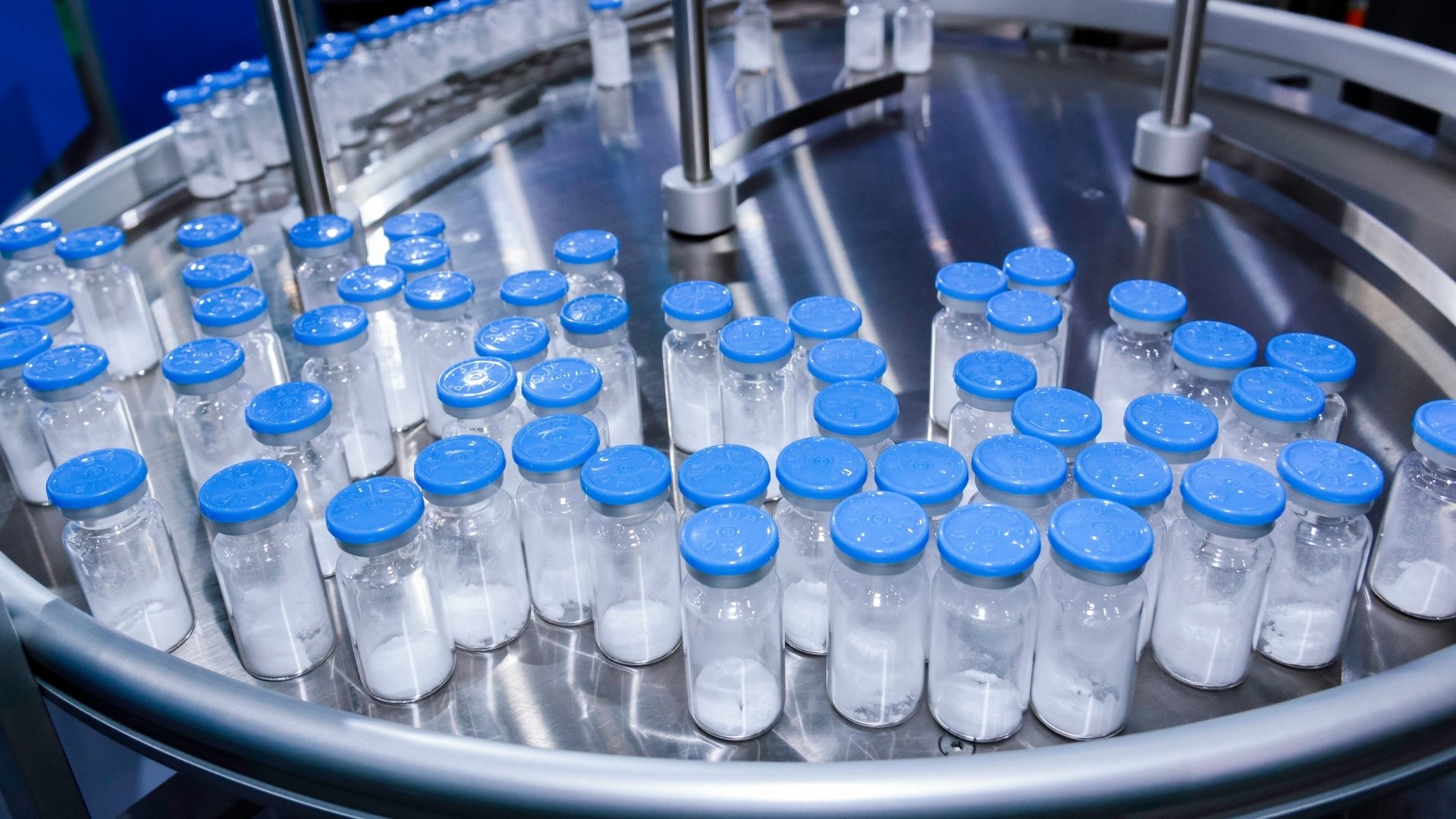
Choosing the appropriate sterilization method is crucial for ensuring the safety and integrity of the drug product. Both aseptic and terminal sterilization methods are used in fill and finish operations, but each has distinct applications and regulatory requirements.
1. Aseptic Fill and Finish
- What It Is: Aseptic fill and finish involves sterile filling of the drug product into containers under sterile conditions. The drug product and packaging components are sterilized separately, and the final product is filled in a controlled, clean environment.
- When It’s Used: Typically employed for biologics, vaccines, and products that cannot withstand heat or other harsh sterilization methods.
- Advantages: Provides sterility without exposing the drug to high temperatures, which is critical for sensitive biologic and protein-based drugs.
2. Terminal Sterilization
- What It Is: Terminal sterilization involves sterilizing the entire packaged product (drug substance and container) through exposure to high heat or radiation after it is filled and sealed.
- When It’s Used: Used for products that can withstand heat or radiation, such as certain small-molecule drugs and selected vaccine formulations.
- Advantages: Offers a more straightforward and cost-effective solution for products that can endure heat or radiation, ensuring uniform sterility.
3. Key Differences
- Sterilization Process: Aseptic processing separates sterilization of the drug and the container, while terminal sterilization sterilizes the entire product in one step.
- Product Suitability: Aseptic is preferred for heat-sensitive drugs, while terminal sterilization is suitable for stable products that can withstand higher temperatures.
- Regulatory Considerations: Both methods require adherence to strict regulatory guidelines, but aseptic processes tend to have more stringent controls due to the complexity of maintaining sterility during the entire process.
Equipment Used in Fill and Finish Operations
The right equipment is critical to ensuring quality, regulatory compliance, and scalability in fill and finish processes. Pharma executives must prioritize efficiency, sterility, and cost-effectiveness when selecting machinery for their operations.
1. Filling Machines
- Considerations: Automated systems provide precision and reduce human error, especially in biologics and high-potency drugs.
- Impact: Ensures content uniformity, meeting cGMP standards and regulatory expectations.
- Advancements: Real-time monitoring enables continuous process verification and inspection readiness.
2. Isolators and Cleanrooms
- Considerations: Isolators provide a contained, sterile environment for sensitive products; cleanrooms offer scalable solutions for large batches.
- Impact: Ensures sterility and minimizes contamination risk.
- Advancements: Real-time environmental monitoring improves compliance and product quality.
3. Inspection Systems
- Considerations: Automated systems detect defects, ensuring high-speed, accurate inspections.
- Impact: Enhances quality assurance and reduces human error, especially in large-scale production.
- Advancements: AI-powered vision systems offer micro-level precision in defect detection.
4. Stoppering and Sealing Equipment
- Considerations: Ensures sterile sealing of containers, critical for biologics and vaccines.
- Impact: Maintains product sterility and integrity.
- Advancements: Robotic systems increase speed and precision, reducing contamination risk.
5. Labeling and Packaging Machines
- Considerations: Automates labeling and packaging to ensure accuracy and regulatory compliance.
- Impact: Reduces human error and supports timely distribution.
- Advancements: Track-and-trace technologies enhance supply chain visibility and regulatory compliance.
Also Read: eCRF in Clinical Research Improving Data Accuracy and Efficiency.
Regulatory Standards and Compliance
Regulatory compliance in fill and finish operations is a strategic imperative for ensuring product safety, reducing risk, and achieving timely market access. Executives must align operational processes with global regulatory frameworks to avoid costly delays, mitigate risks, and ensure that products meet the highest quality standards.
| Regulatory Area | What to Address | Strategic Considerations | Actions |
| FDA, EMA, and WHO Guidelines | Compliance with sterility, traceability, and batch records. | Non-compliance can lead to market withdrawal and product recalls. | Implement compliance audits, real-time monitoring, and update processes regularly. |
| GMP Requirements | Adherence to cGMP standards for filling, sterilization, and packaging. | Failure to comply can result in production delays or efficacy issues. | Conduct regular training and use automated systems for continuous monitoring. |
| Documentation and Quality Control | Complete and accurate documentation, including batch records and validation reports. | Incomplete documentation can cause audit failures and delays. | Use electronic batch records (eBR), real-time data tracking, and automated validation systems. |
| Environmental and Microbial Control | Control of temperature, humidity, and particulate levels in aseptic areas. | Microbial contamination can lead to recalls or safety issues. | Install advanced filtration systems and conduct microbial risk assessments. |
Challenges in Fill and Finish Manufacturing
Fill and finish operations, particularly for biologics and high-potency drugs, present several key risks that can impact product quality, compliance, and scalability. Below are the main risks and corresponding mitigation strategies.
1. Contamination Risks
- Risk: Contamination can compromise sterility, leading to safety risks, recalls, and non-compliance.
- Mitigation: Implement isolators and real-time environmental monitoring to maintain sterile conditions during filling and sealing.
2. High Operational Costs
- Risk: Specialized equipment, cleanroom maintenance, and skilled labor can drive up operational costs.
- Mitigation: Invest in automation and scalable production systems to reduce human error and optimize both clinical and commercial production.
3. Capacity Constraints
- Risk: Scaling up production to meet demand can be hindered by limited production lines or capacity bottlenecks.
- Mitigation: Use modular production lines and partner with CDMOs with global manufacturing capabilities to scale as needed.
4. Skilled Workforce Requirements
- Risk: A shortage of skilled labor can delay production and affect compliance with regulatory standards.
- Mitigation: Implement continuous training and leverage CDMO expertise for specialized fill and finish processes.
Also Read: Late-Phase Pharmaceutical Manufacturing: Challenges & Best Practices
Applications Across Drug Types
Fill and finish services are essential across various drug types, each with specific requirements based on formulation, sterility, and regulatory considerations. Whether for biologics, vaccines, injectables, or small molecules, the fill and finish process must be tailored to meet the unique needs of each drug category.
1. Biologics
- Requirements: Biologics, including monoclonal antibodies, gene therapies, and proteins, often require aseptic processing to prevent degradation and maintain therapeutic activity.
- Key Considerations:
- Sterility assurance is paramount to prevent contamination.
- Biologics are sensitive to temperature and handling, requiring advanced fill and finish systems to preserve their integrity.
- Pre-filled syringes and vials are common packaging formats for biologics due to their controlled dosing and ease of use.
2. Vaccines
- Requirements: Vaccines require precise formulation and filling, with a focus on sterile conditions and preservative efficacy to ensure safety and effectiveness over time.
- Key Considerations:
- Must withstand temperature fluctuations during filling and distribution, making packaging formats such as vials and ampoules essential.
- Freeze-drying (lyophilization) is often used to preserve the vaccine’s potency, requiring specialized equipment for filling and sealing.
- Regulatory compliance is critical, with WHO and FDA guidelines strictly enforced.
3. Injectable Drugs
- Requirements: Injectable drugs, whether for hospital use or home care, demand precision in dosing and sterility, particularly for small molecules or high-potency formulations.
- Key Considerations:
- Packaging formats such as pre-filled syringes and cartridges are popular for convenience and patient adherence.
- Aseptic processing and sterile filtration are key to ensuring the safety of injectables.
- Tight dose control and batch consistency are critical for therapeutic efficacy and patient safety.
4. Small Molecules
- Requirements: Small molecules, typically chemically synthesized, must meet high standards for sterility, dosage accuracy, and container integrity.
- Key Considerations:
- Ampoules and vials are commonly used packaging formats due to their ability to ensure precise dosing and long shelf life.
- Terminal sterilization may be used for small molecules that can tolerate heat, ensuring microbial control without compromising drug quality.
- Ensuring sterile filling and seal integrity is critical to maintaining the drug’s stability and effectiveness.
How DRK Research Solutions Supports Pharmaceutical Manufacturing of Fill and Finish Services
DRK Research Solutions offers comprehensive fill and finish services that ensure high-quality, compliant drug manufacturing. With advanced technology, regulatory expertise, and GMP-compliant facilities, DRK enables pharmaceutical companies to deliver safe and effective products.
- End-to-End Development Support: DRK provides formulation development, analytical testing, and stability studies to ensure every dosage form is scientifically sound and ready for regulatory approval.
- GMP Manufacturing Across Dual Geographies: DRK works with GMP-certified facilities in Europe, ensuring compliance with EU standards. This approach enables cost-effective and scalable manufacturing without compromising on quality.
- Expertise in Complex and Specialized Formulations: DRK specializes in developing complex generics forms, hybrids, niche products, requiring precise stability and formulation control.
- Regulatory Documentation and eCTD Support: DRK prepares eCTD-ready dossiers with comprehensive documentation, including stability, preservative efficacy, and performance data, ensuring smooth and efficient regulatory submissions worldwide.
- Flexible Production Models and Scalability: DRK offers flexible production options for clinical trials, commercial-scale manufacturing and production while maintaining consistent quality.
Conclusion
Fill and finish services are a critical component of pharmaceutical manufacturing, ensuring that biologics, vaccines, and injectable drugs are safe, effective, and ready for global distribution. By partnering with a trusted CDMO like DRK Research Solutions, pharma companies can streamline the manufacturing process, ensure regulatory compliance, and bring high-quality products to market efficiently.
With end-to-end support, scalable solutions, and regulatory expertise, DRK Research Solutions helps its partners manage the complexities of fill and finish services, from clinical trials through to commercial production. Our GMP-compliant facilities, combined with our advanced technology and regulatory documentation support, provide the resources and capabilities needed to succeed in a highly regulated industry.
Ready to optimize your fill and finish strategy and accelerate time to market? Contact DRK Research Solutions to discuss how we can support your next pharmaceutical manufacturing project.
FAQs
1. What is fill and finish in pharmaceutical manufacturing?
Fill and finish is the final step in pharmaceutical manufacturing, where the bulk drug product is transferred into its final containers, such as vials, syringes, or cartridges, under sterile conditions. This process includes filling, sealing, labeling, packaging, and ensuring sterility and dosage accuracy before the product is ready for distribution.
2. Why is fill and finish critical for biologics and vaccines?
Fill and finish is crucial for biologics and vaccines because it ensures sterility, accurate dosing, and compliance with regulatory standards. These products are sensitive to contamination and require strict controls to maintain their safety and effectiveness during production and distribution.
3. What challenges do pharmaceutical companies face with fill and finish manufacturing?
Pharmaceutical companies face challenges such as contamination risks, high operational costs due to specialized equipment, capacity constraints during scale-up, and the need for a skilled workforce to meet regulatory requirements and maintain high standards.
4. How do outsourced fill and finish services benefit pharmaceutical companies?
Outsourcing fill and finish services allows pharmaceutical companies to reduce capital investment, access specialized expertise and technologies, and efficiently scale production. It also ensures regulatory compliance, speeds up time-to-market, and mitigates the risk of delays and operational issues.
5. What regulatory standards govern fill and finish operations?
Fill and finish operations must comply with cGMP (Current Good Manufacturing Practices) as outlined by regulatory bodies such as the FDA, EMA, and WHO. These standards ensure product safety, efficacy, and traceability throughout the manufacturing and packaging processes.