
Freeze drying has become the backbone of stability in modern drug manufacturing. For biologics, vaccines, and heat-sensitive formulations, lyophilization protects product integrity where conventional drying fails.
The business case is clear. Longer shelf life means fewer losses, simpler logistics, and faster global deployment. It allows critical therapies to reach markets without heavy cold-chain dependence, an advantage for sponsors expanding in emerging regions.
As the pipeline for biologics and complex injectables grows, lyophilization is now a core capability for every advanced CDMO.
In this blog, we outline what lyophilization is, why it matters strategically, and how DRK Research Solutions applies it across development and GMP manufacturing.
Key Takeaways
- Lyophilization enables stable manufacturing of biologics and heat-sensitive injectables while reducing logistics and cold-chain constraints.
- Product success depends on aligning formulation behavior, cycle design, and scale-up execution within defined process limits.
- Freeze-drying introduces cost, throughput, and validation risks that must be actively managed through data-driven development.
- CDMOs play a critical role by translating laboratory cycles into GMP-validated, reproducible commercial processes.
- Early, integrated lyophilization strategy improves regulatory defensibility, supply continuity, and lifecycle value.
What Is Lyophilization?
Lyophilization, commonly known as freeze drying, is a controlled dehydration process that removes water from a frozen product under vacuum. Unlike conventional drying, it preserves the physical and chemical integrity of sensitive molecules such as proteins, peptides, and biologics. The result is a stable, dry product that can be stored for extended periods and easily reconstituted before use.
Key Stages of the Process
- Freezing: The product is cooled until water transforms into ice, locking the formulation in a solid matrix that protects structural integrity.
- Primary Drying (Sublimation): Under low pressure, ice transitions directly from solid to vapor without passing through a liquid phase. Careful temperature and vacuum control ensure stability of the active substance.
- Secondary Drying (Desorption): Residual moisture bound to the formulation is removed to achieve the target stability profile. This stage determines long-term shelf life and product robustness during storage and transport.
Why Pharmaceutical Companies Use Lyophilization?
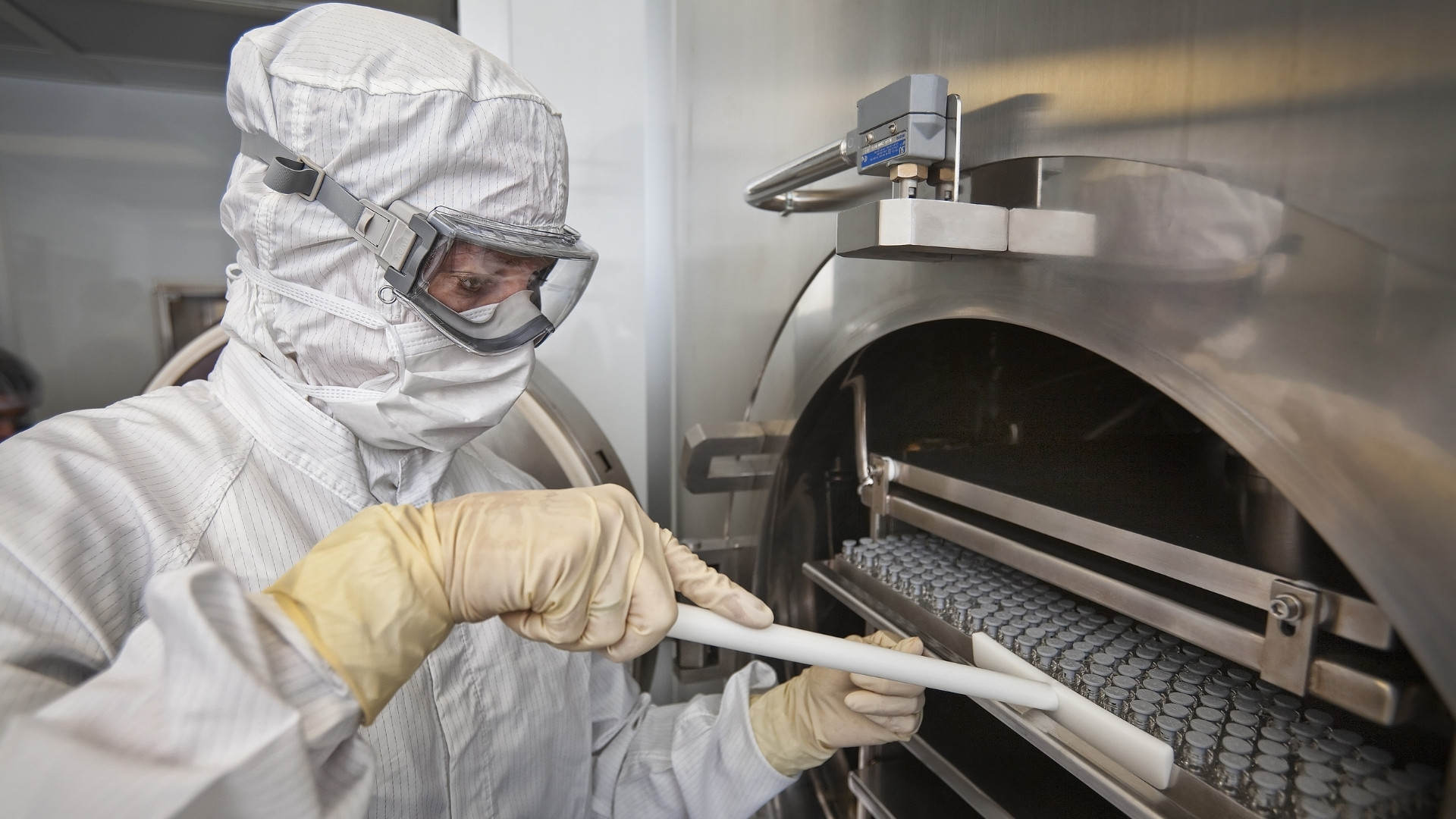
Lyophilization extends product stability and simplifies global distribution for temperature-sensitive pharmaceuticals. For leadership teams, it serves as both a formulation solution and a strategic enabler for market access.
- Extended Shelf Life: Freeze-dried products maintain stability for years under controlled conditions, reducing reliance on strict cold chains.
- Improved Transport and Storage: Lyophilized materials can often be shipped and stored at room temperature, lowering logistics costs and improving access in markets.
- Preserved Product Integrity: Sensitive biologics, vaccines, and injectables retain potency and structure when moisture is carefully removed under vacuum.
- Reliable Reconstitution: Predictable performance after rehydration supports consistent dosing and product quality.
- Regulatory Confidence: The process provides clear documentation and validation pathways aligned with CGMP requirements, strengthening audit readiness and submission reliability.
Lyophilization transforms stability management from a technical challenge into a scalable, compliant, and commercially viable manufacturing advantage.
Also Read: eCRF in Clinical Research Improving Data Accuracy and Efficiency
Lyophilization: Common Risks and How to Mitigate Them
Lyophilization is essential for many injectables, but demands precise control and significant investment. The main challenges fall into operational, technical, and regulatory categories.
1. Cost and Infrastructure Pressure
Risk: Specialized lyophilizers, controlled environments, and energy-intensive systems drive high capital and operational costs.
Impact: Increased manufacturing overhead and longer project payback periods.
Mitigation: Use scalable equipment and shared CDMO infrastructure to balance investment with utilization efficiency.
2. Long Cycle Times
Risk: Each batch requires extended freezing and drying stages that can span several days.
Impact: Reduced throughput and limited responsiveness to demand fluctuations.
Mitigation: Optimize cycle design using predictive modelling and continuous monitoring to shorten drying phases without compromising quality.
3. Formulation Sensitivity
Risk: Certain actives or excipients degrade or crystallize during freezing or sublimation.
Impact: Product instability, potency loss, or poor reconstitution performance.
Mitigation: Conduct formulation screening and stress testing early to define suitable cryo- and lyoprotectants.
4. Scale-Up Complexity
Risk: Parameters proven at laboratory scale often behave differently in commercial lyophilizers.
Impact: Variability in product quality, drying uniformity, and moisture content.
Mitigation: Validate scale-up models and implement data-driven transfer protocols between pilot and production equipment.
5. Regulatory and Validation Demands
Risk: Every product requires a validated cycle, equipment qualification, and continuous documentation updates.
Impact: Extended timelines and resource load on QA and validation teams.
Mitigation: Integrate validation steps within development workflows and maintain a single audit-ready data trail for all runs.
The CDMO’s Role in Optimizing Freeze-Drying Cycles
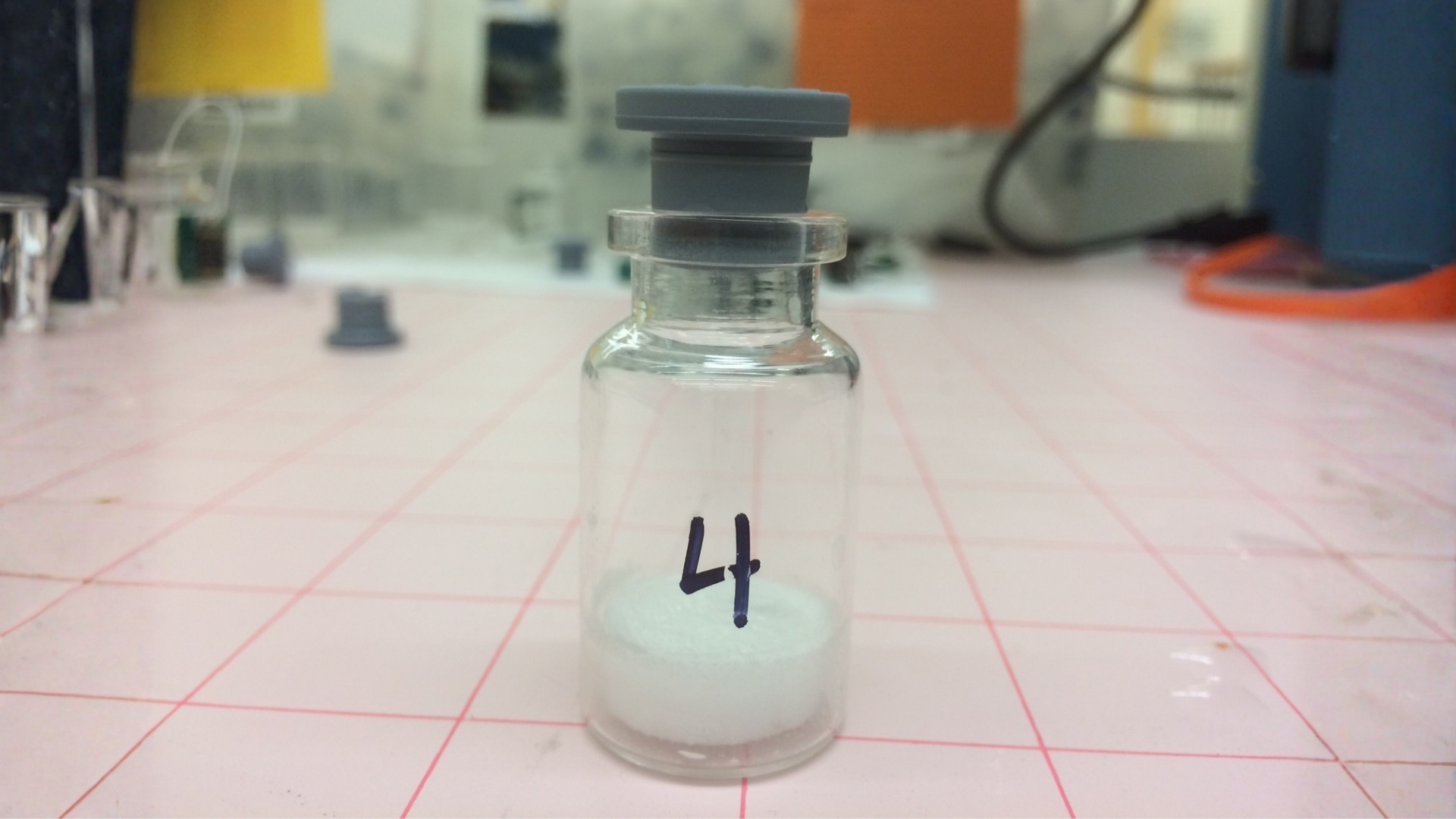
Freeze-drying cycle optimization is one of the most critical contributions a CDMO makes to lyophilized product success. It determines stability, reproducibility, scale-up feasibility, and regulatory defensibility.
For sponsors, this work is typically delegated to the CDMO because it requires specialized equipment, cross-functional expertise, and experience translating lab data into GMP reality.
Where CDMOs Add Value in Cycle Optimization
- Cycle Design During Development
CDMOs design initial freeze-drying cycles during formulation and feasibility studies, defining freezing rates, shelf temperatures, chamber pressure, and drying endpoints based on product behavior. - Identification of Critical Process Parameters (CPPs)
Thermal limits, collapse temperature, and residual moisture thresholds are established through controlled experimentation. These parameters form the basis of validated operating ranges. - Lab-to-Scale Translation
CDMOs manage the transition from laboratory lyophilizers to pilot and commercial equipment, accounting for differences in heat transfer, load configuration, and equipment geometry. - Process Robustness and Risk Reduction
Cycle optimization includes stress testing and worst-case scenarios to ensure performance remains within control limits under normal manufacturing variability. - Integration With Validation and CPV
Optimized cycles are embedded into process validation and continuous process verification (CPV) frameworks, ensuring long-term reproducibility and regulatory confidence. - Regulatory Defensibility
Well-documented optimization data supports regulatory filings, inspection questions, and post-approval changes without triggering extensive revalidation.
An experienced CDMO does more than run a freeze-drying cycle. It converts formulation science into a scalable, validated, and inspection-ready process that protects product quality and supply continuity.
Also Read: Late-Phase Pharmaceutical Manufacturing: Challenges & Best Practices
Regulatory Alignment and Quality Control Strategy for Lyophilization
Lyophilization is governed by global CGMP frameworks that define how validation, documentation, and monitoring sustain both product integrity and regulatory trust.
The table below summarizes the key compliance
| Focus Area | Regulatory Expectation | Strategic Implication for Executives |
| Regulatory Scope | FDA (21 CFR 210–211), EMA (EudraLex Vol. 4), WHO TRS—emphasis on reproducibility, traceability, and sterility. | Align to the strictest global standard to streamline multi-region submissions and reduce duplicate inspections. |
| Validation Strategy | Continuous validation covering process design, qualification, and ongoing verification. | Integrate validation early to shorten tech transfer and maintain data defensibility at scale. |
| Container Closure Integrity (CCI) | Demonstrated vacuum stability and microbial protection through validated CCI testing and stability data. | Strengthens dossier readiness and prevents post-approval failures or recalls. |
| Data Integrity & Traceability | Electronic records compliant with 21 CFR Part 11; full capture of temperature, pressure, and vacuum data. | Ensures real-time audit readiness and minimizes findings related to manual record gaps. |
| Lifecycle Quality Monitoring | Continuous Process Verification (CPV) to prove sustained control of cycle parameters and equipment. | Turns validation into a live risk-management tool supporting uninterrupted supply and inspection resilience. |
Viewing lyophilization through this compliance matrix helps leadership teams align technical rigor with commercial scalability and regulatory continuity.
How DRK Research Solution Supports Pharmaceutical Manufacturing
DRK Research Solutions applies lyophilization within its CDMO framework to help pharmaceutical companies develop and scale stability-critical products efficiently and compliantly.
- End-to-End Development Support: Integrated formulation, process design, and analytical validation ensure each cycle is reproducible and ready for scale-up.
- GMP Manufacturing Across Dual Geographies: Facilities in Europe and operate under EU aligned CGMP frameworks, combining cost efficiency with global compliance.
- Focus on Complex and High-Value Portfolios: Expertise includes complex generic, niche products and hybrids ,requiring precise freeze-drying control.
- Integrated Regulatory Documentation: Each project includes eCTD-ready data packages with validation results and stability studies to support global submissions.
- Flexible Production Models: Configurable batch sizes support both clinical and commercial supply without shifting vendors or processes.
Through this integrated model, DRK Research Solutions enables sponsors to manage product stability, compliance, and market readiness within a single CDMO partnership.
Conclusion
Lyophilization has become a strategic element in pharmaceutical manufacturing. When integrated early, it strengthens product stability, extends shelf life, and supports regulatory success. Pharma and biotech companies seek CDMO partners who combine scientific accuracy with dependable GMP execution.
DRK Research Solutions delivers this through integrated development, validated manufacturing, and region quality oversight. With precise control and complete documentation, DRK Research Solutions helps sponsors maintain quality, reduce risk, and ensure consistent global supply.
Ready to optimize your manufacturing strategy with lyophilization expertise? Connect with DRK Research Solution’s CDMO team to discuss your next program.
FAQs
1. What is lyophilization in pharmaceuticals?
Lyophilization, or freeze drying, is a controlled process that removes water from a frozen product under vacuum. It preserves molecular integrity and extends the stability of biologics, vaccines, and other temperature-sensitive drugs.
2. Why is lyophilization important for biopharmaceutical products?
Biopharmaceuticals often degrade under heat or humidity. Lyophilization maintains potency and structure, ensuring reliable performance and longer shelf life without full cold-chain dependence.
3. What are the main regulatory expectations for lyophilized products?
Regulators require validated cycles, container closure integrity testing, data traceability, and ongoing process verification under CGMP standards from agencies such as the FDA, EMA, and WHO.
4. What challenges are common in lyophilization manufacturing?
Key challenges include high equipment costs, long cycle times, formulation sensitivity, and maintaining consistency during scale-up. Partnering with a qualified CDMO helps manage these risks.
5. How does DRK Research Solutions support lyophilized product development?
DRK Research Solutions provides integrated CDMO services that include formulation, process design, GMP manufacturing, validation, and eCTD-ready documentation, enabling sponsors to develop stable and compliant products efficiently.